
Key Differences in Treatment Approaches
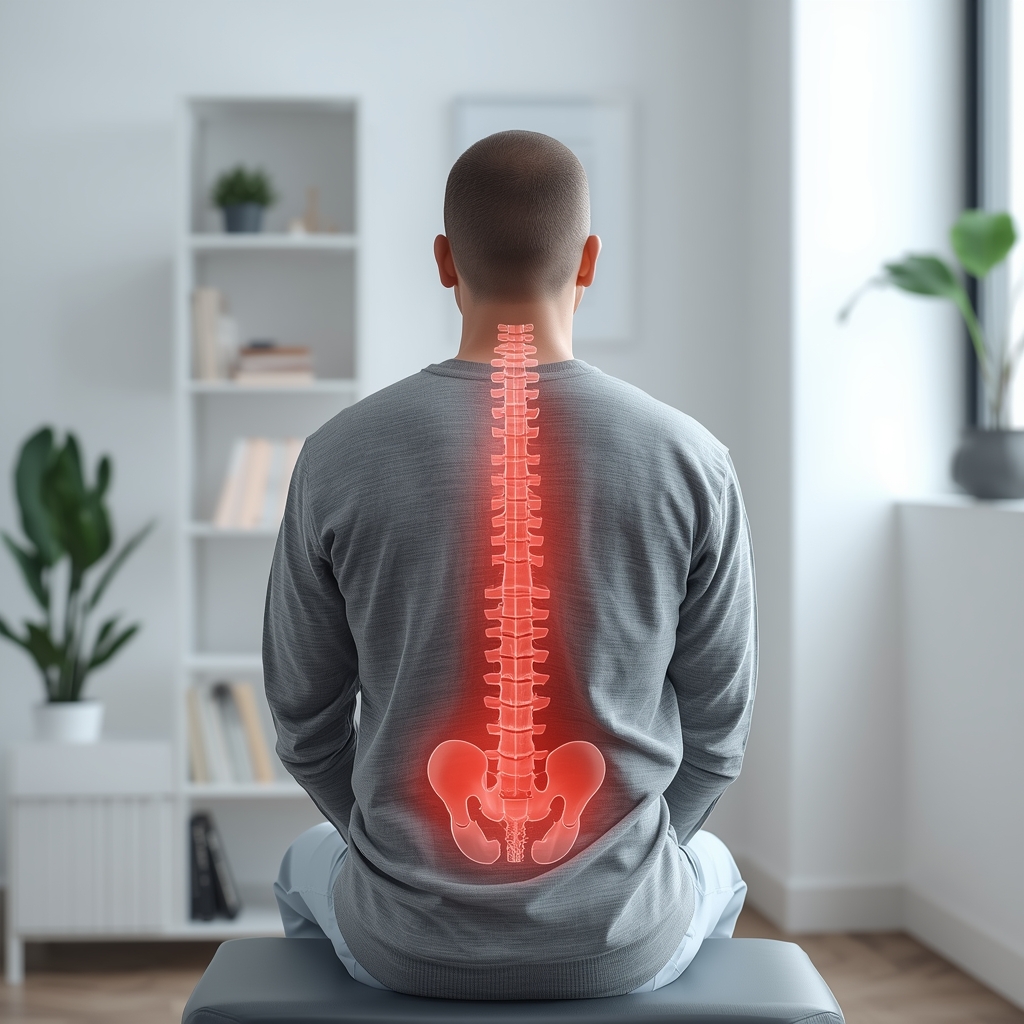
Chiropractic care and physical therapy both address chronic lower back pain but employ distinct methodologies. Chiropractors focus on spinal adjustments to correct misalignments, aiming to restore proper biomechanics and reduce nerve irritation. This approach often includes manual manipulations, soft tissue therapy, and lifestyle recommendations. Physical therapists, meanwhile, prioritize strengthening muscles, improving flexibility, and enhancing movement patterns through targeted exercises, modalities like heat or electrical stimulation, and patient education. While chiropractic care emphasizes structural alignment, physical therapy centers on functional recovery. Both disciplines may overlap in addressing pain, but their core philosophies and techniques reflect different priorities in managing chronic conditions.
Effectiveness in Symptom Relief
Research suggests both chiropractic care and physical therapy can effectively alleviate chronic lower back pain, though their mechanisms differ. Chiropractic adjustments may provide rapid relief by reducing spinal pressure and improving nerve function, while physical therapy builds long-term resilience through progressive strengthening and posture correction. Studies indicate that patients often report significant pain reduction within weeks of starting either treatment. However, outcomes vary based on individual factors, such as the severity of the condition and adherence to care plans. Some patients find chiropractic care more immediately beneficial, while others prefer the gradual, holistic approach of physical therapy. Both methods are generally considered safe when performed by qualified professionals, though rare side effects like temporary soreness may occur.
Patient Outcomes and Long-Term Management
Long-term outcomes for chronic lower back pain depend on sustained engagement with treatment and lifestyle modifications. Chiropractic care often emphasizes periodic maintenance visits to prevent recurrence, while physical therapy typically involves a structured program with a defined endpoint. Patients may experience improved mobility and reduced pain frequency with either approach, but success hinges on consistency. Chiropractic adjustments can address acute flare-ups quickly, whereas physical therapy fosters enduring strength and flexibility. Combining both methods may offer complementary benefits, though this should be discussed with a healthcare provider. Ultimately, patient preferences, accessibility, and the underlying causes of pain influence which approach yields the most sustainable results over time.
Considerations for Individualized Care
Choosing between chiropractic care and physical therapy requires evaluating personal needs, medical history, and treatment goals. Patients with structural issues like herniated discs may benefit from chiropractic adjustments, while those needing muscle retraining might find physical therapy more effective. It is crucial to consult a licensed provider to determine the best fit, as both disciplines require tailored plans. Factors such as insurance coverage, treatment duration, and patient comfort also play roles in decision-making. Some individuals opt for integrated care, combining adjustments with therapeutic exercises for comprehensive support. Open communication with healthcare professionals ensures that the selected approach aligns with the patient’s unique condition and lifestyle.
Role of Patient Preference and Communication
Patient preference significantly influences the success of chronic lower back pain treatment. Those who feel empowered by a treatment plan are more likely to adhere to it, whether it involves chiropractic adjustments, physical therapy exercises, or a hybrid approach. Open dialogue with healthcare providers helps clarify expectations and address concerns. For instance, patients prioritizing quick pain relief may lean toward chiropractic care, while those seeking long-term functional improvements might prefer physical therapy. Providers should assess patient goals, fears, and daily routines to create a collaborative care strategy. This personalized approach enhances trust and increases the likelihood of positive outcomes, reinforcing the importance of shared decision-making in chronic pain management.
Conclusion: Balancing Options for Optimal Results
Chiropractic care and physical therapy offer distinct yet complementary strategies for managing chronic lower back pain. While chiropractic focuses on spinal alignment and immediate symptom relief, physical therapy emphasizes functional restoration and long-term strength. Both methods have demonstrated efficacy, but their success depends on individual circumstances and consistent engagement. Patients should explore both options with qualified professionals to determine the best fit for their needs. In some cases, integrating both approaches may yield the most comprehensive results. Ultimately, the goal is to empower patients with informed choices, ensuring they receive care that aligns with their health objectives and lifestyle.













