
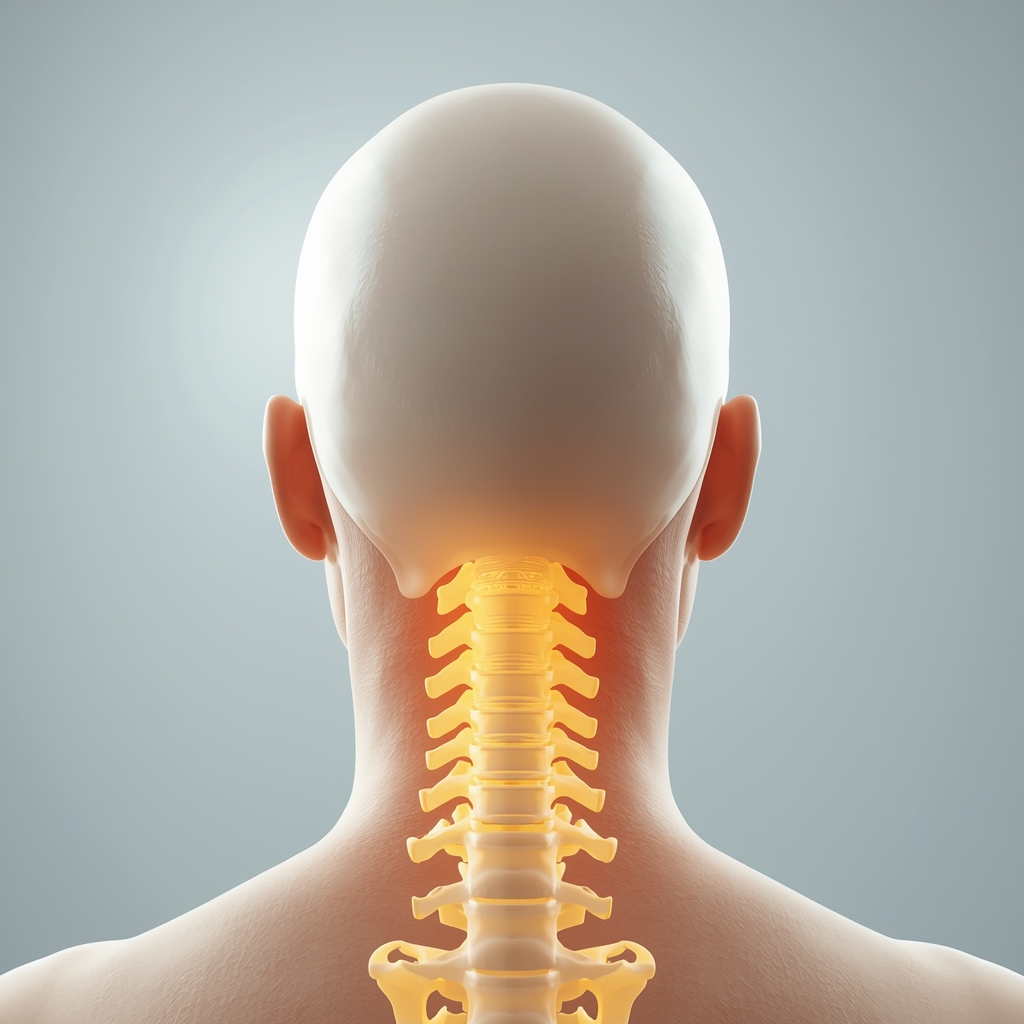
Understanding the Cervical Spine and TMJ Connection
The cervical spine, or neck, plays a critical role in supporting the head and facilitating movement. When misaligned, it can create tension in surrounding muscles and nerves, potentially affecting the temporomandibular joint (TMJ). The TMJ connects the jawbone to the skull, and disruptions in neck mechanics may alter jaw function. This relationship highlights how spinal health impacts facial and oral structures. While research on this link is evolving, many patients report improved TMJ symptoms after addressing cervical spine issues. Understanding this connection is key to exploring holistic treatment approaches that consider the body’s interconnected systems.
How Cervical Misalignment Affects TMJ Function
Cervical spine misalignment can lead to muscle imbalances and nerve irritation, which may radiate to the jaw area. For example, tightness in the upper trapezius or levator scapulae muscles—often linked to poor posture—can pull on the head and neck, indirectly stressing the TMJ. Nerve pathways in the cervical region also intersect with those governing jaw movement, potentially causing referred pain or dysfunction. These disruptions might manifest as jaw clicking, difficulty chewing, or facial discomfort. Addressing cervical spine health could alleviate these symptoms by restoring balance to the musculoskeletal system and reducing undue pressure on the TMJ.
The Role of Spinal Adjustments in TMJ Relief
Chiropractic adjustments targeting the cervical spine aim to correct misalignments and restore proper biomechanics. By realigning vertebrae, these adjustments may reduce nerve interference and muscle tension, which could ease TMJ-related discomfort. Techniques like diversified spinal manipulation or activator methods are commonly used to address cervical issues. Some patients experience reduced jaw pain and improved range of motion after such treatments. However, results vary, and adjustments are typically part of a broader care plan. A chiropractor can evaluate individual cases to determine if spinal adjustments are a suitable component of TMJ management.
Complementary Therapies for TMJ and Cervical Health
In addition to spinal adjustments, therapies like soft tissue work, posture correction, and exercises may support TMJ and cervical spine health. Myofascial release or trigger point therapy can ease muscle tightness in the neck and jaw, while ergonomic adjustments may prevent further strain. Physical therapy exercises might strengthen weakened muscles and improve alignment. Some practitioners also recommend heat therapy or jaw exercises to complement spinal care. These approaches work together to address both the root causes and symptoms of TMJ disorders. A chiropractor can help tailor a multi-faceted strategy based on a patient’s specific needs and condition severity.
When to Consult a Chiropractor for TMJ Issues
If you experience persistent jaw pain, clicking, or difficulty opening your mouth, consulting a chiropractor may be beneficial. They can assess whether cervical spine misalignment contributes to your symptoms and develop a personalized care plan. During an evaluation, a chiropractor might check for spinal restrictions, muscle imbalances, or postural issues affecting the TMJ. They can also rule out other potential causes and recommend appropriate interventions. While chiropractic care is not a substitute for medical treatment, it offers a non-invasive option for managing TMJ discomfort. Discussing your symptoms with a qualified provider ensures you receive guidance tailored to your unique situation.
Conclusion: A Holistic Approach to TMJ and Spinal Health
The relationship between cervical spine misalignment and TMJ disorders underscores the importance of a comprehensive approach to musculoskeletal health. Addressing spinal issues may alleviate jaw-related symptoms by restoring balance to the body’s systems. Chiropractic care, combined with other therapies, offers a non-invasive way to explore relief. However, individual results vary, and professional consultation is essential. By understanding how the neck and jaw interact, patients can make informed decisions about their treatment options. Always discuss potential therapies with a licensed chiropractor to determine the best path forward for your specific condition.













