
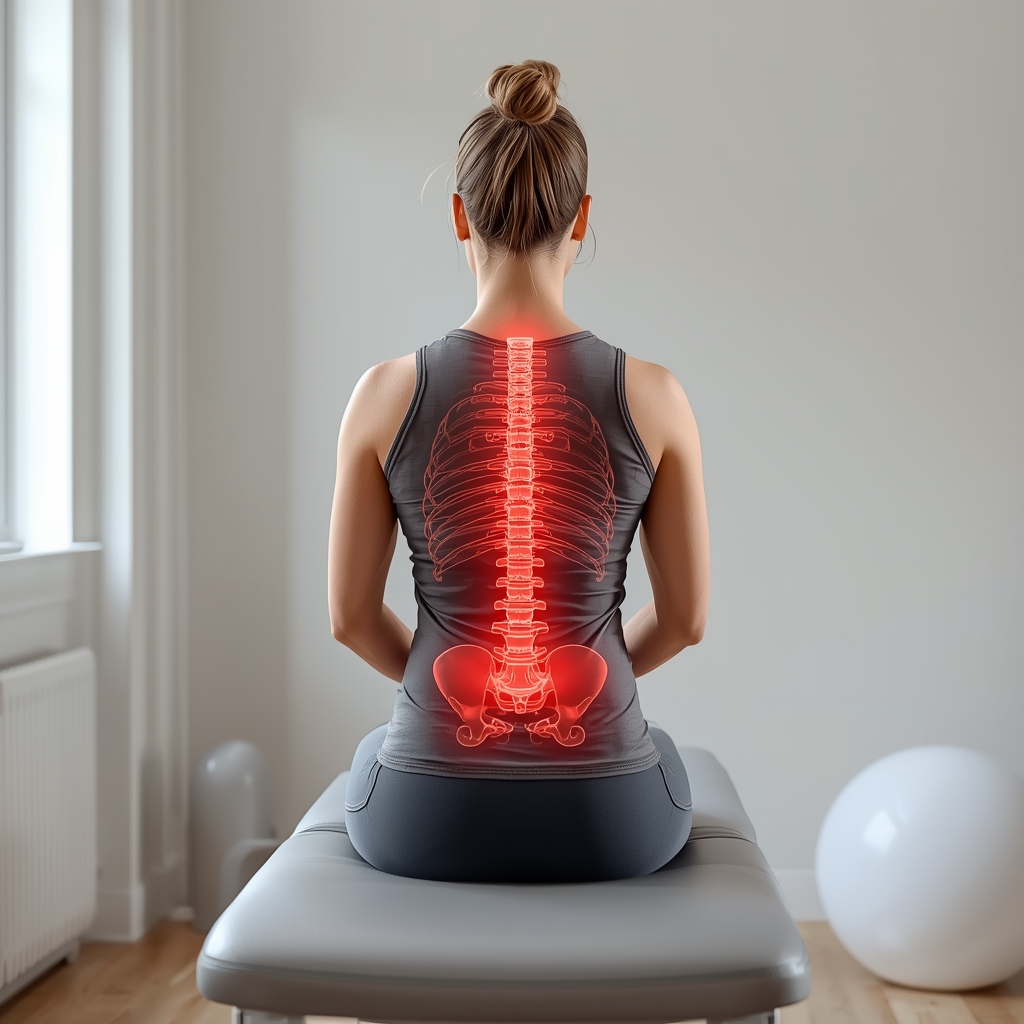
Understanding Iliotibial Band Syndrome and Its Impact
Iliotibial Band Syndrome (ITBS) is a common overuse injury affecting the iliotibial band, a thick band of fascia running along the outside of the thigh. It often causes pain on the outer knee, hip, or thigh, particularly during activities like running, cycling, or hiking. The condition arises from repetitive friction of the band over bony structures, leading to inflammation and restricted movement. Left untreated, ITBS can limit mobility and diminish quality of life. While rest and stretching are typical initial approaches, many seek targeted treatments to address the root cause. Active Release Technique (ART) has emerged as a specialized method for resolving soft tissue restrictions, making it a relevant option for those struggling with ITBS. Understanding how ART interacts with this condition provides insight into its potential benefits.
How Active Release Technique Addresses ITBS
Active Release Technique (ART) is a soft tissue therapy that focuses on identifying and breaking down adhesions or scar tissue in muscles, tendons, and ligaments. For ITBS, this approach targets the iliotibial band and surrounding tissues to restore normal function. During an ART session, a chiropractor or therapist applies precise pressure while the patient moves the affected limb, allowing them to detect and release restrictions. This process can alleviate tension in the IT band, reduce inflammation, and improve biomechanics. By addressing the underlying soft tissue issues, ART aims to restore natural movement patterns and reduce the strain that contributes to ITBS. While not a substitute for comprehensive care, it offers a focused strategy for managing symptoms and supporting recovery.
Targeting Soft Tissue Restrictions in ITBS
The iliotibial band is prone to developing adhesions due to repetitive motion, which can restrict its ability to glide smoothly over the femur. These restrictions often lead to pain and reduced range of motion. ART specifically addresses these issues by isolating the affected tissues and applying controlled tension to break down scar tissue. This method encourages the body’s natural healing processes by promoting blood flow and reducing inflammation. For ITBS, targeting the IT band, hip flexors, and gluteal muscles is critical, as these areas are frequently involved in the condition. By restoring elasticity and function to these tissues, ART helps alleviate the mechanical stress that exacerbates ITBS. The technique’s hands-on approach allows practitioners to tailor treatment to the patient’s unique needs, making it a versatile option for addressing soft tissue dysfunction.
Enhancing Mobility and Functional Movement
Improved mobility is a key goal of ART for ITBS, as restricted movement in the hip, knee, or thigh can perpetuate the condition. By releasing adhesions and restoring tissue flexibility, ART helps patients regain a fuller range of motion. This is particularly beneficial for athletes or individuals with active lifestyles, as it enables smoother, more efficient movement patterns. The technique also addresses compensatory movements that may develop due to pain or stiffness, which can further strain the IT band. For example, a restricted hip flexor might alter gait mechanics, increasing friction on the IT band. By correcting these imbalances, ART supports long-term mobility improvements. Patients often report feeling more agile and less restricted after sessions, highlighting the technique’s role in enhancing functional outcomes.
Reducing Pain and Inflammation Through ART
Pain associated with ITBS is often linked to inflammation and mechanical irritation of the iliotibial band. ART helps alleviate this by reducing tension in the affected tissues, which can decrease friction and subsequent inflammation. The controlled pressure applied during sessions also stimulates blood flow, accelerating the body’s healing response. This dual action of reducing physical stress and promoting circulation can lead to noticeable pain relief. Additionally, ART may help break the cycle of pain and compensatory movement patterns that often accompany ITBS. While not a standalone solution, the technique can complement other treatments like stretching or physical therapy. Patients frequently describe a reduction in discomfort and improved ability to perform daily activities after consistent ART sessions.
Consulting a Chiropractor for Personalized Care
While ART shows promise for ITBS, its effectiveness depends on proper application by a qualified practitioner. A chiropractor can assess the specific factors contributing to a patient’s condition and design a tailored treatment plan. This includes identifying which tissues require attention and determining the optimal frequency of sessions. It’s important to note that ART is part of a broader approach to care, often combined with exercises, lifestyle adjustments, and other therapies. Patients should discuss their symptoms and goals with a healthcare provider to ensure ART aligns with their overall treatment strategy. By working with a professional, individuals can maximize the benefits of ART while minimizing risks. This collaborative approach ensures that care is both safe and effective for managing ITBS.














