
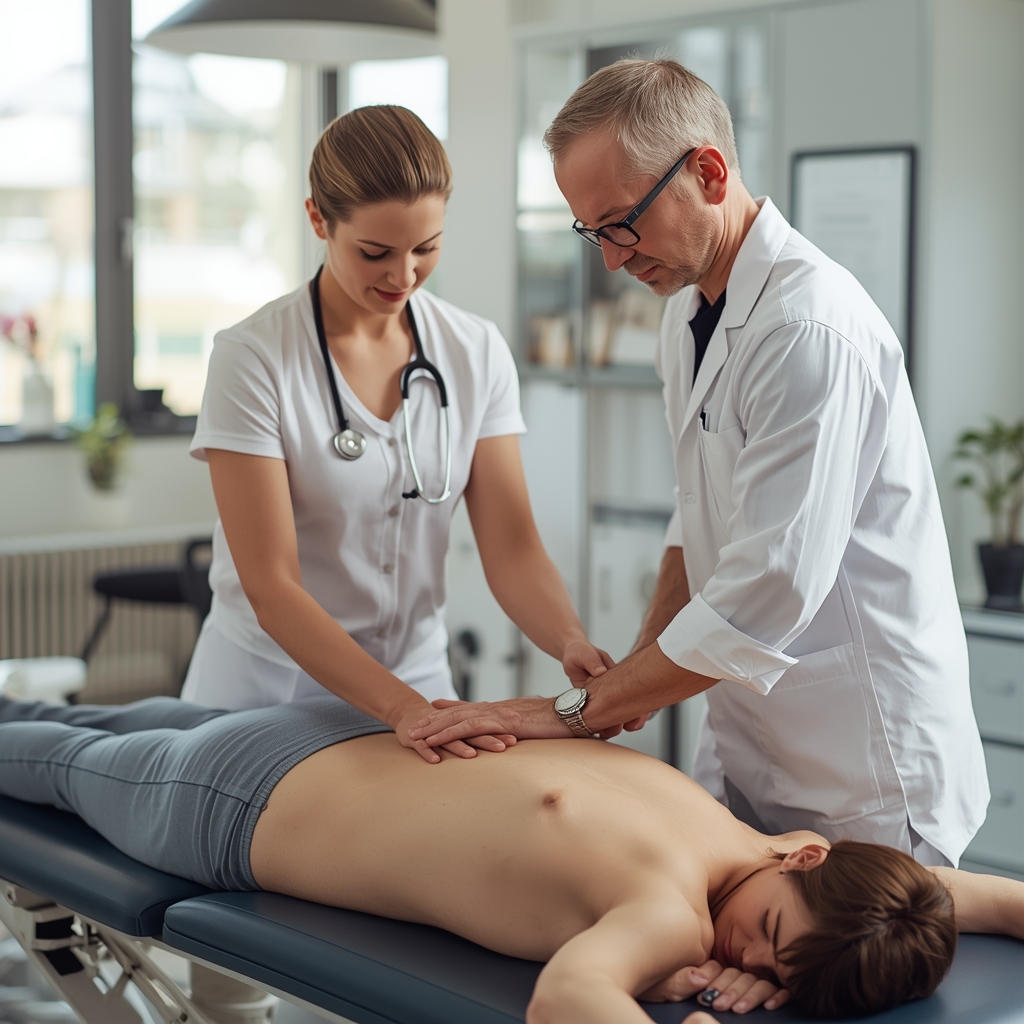
Understanding Myofascial Pain and Treatment Options
Myofascial pain syndromes involve discomfort in the body's soft tissues, often linked to trigger points or restricted movement. These conditions can stem from repetitive strain, injury, or poor posture, causing localized or radiating pain. Treatment approaches vary, with Active Release Technique (ART) and traditional massage therapy being two common options. ART focuses on identifying and breaking down adhesions in muscles and fascia, while massage therapy uses manual pressure to relax muscles and improve circulation. Both methods aim to alleviate pain and restore function, but their mechanisms and applications differ. Understanding these differences helps patients and practitioners choose the most suitable approach for specific needs. This comparison explores how each technique addresses myofascial pain, highlighting their unique benefits and considerations.
How Active Release Technique (ART) Works
ART is a specialized soft tissue therapy designed to treat pain and dysfunction caused by scar tissue or adhesions. Practitioners use their hands to apply pressure while the patient actively moves the affected area, targeting specific muscles, tendons, and ligaments. This combination of pressure and movement helps break down restrictions, restoring normal function and reducing pain. ART is particularly effective for conditions like muscle tightness, tendonitis, and repetitive strain injuries. Unlike general massage, which focuses on relaxation, ART is highly targeted, addressing the root cause of pain rather than just symptoms. It requires extensive training for practitioners to master the precise techniques. While ART is often used for acute or chronic injuries, its effectiveness depends on the patient’s condition and the provider’s expertise. Many patients report significant relief after a series of sessions, though results can vary based on individual factors.
Traditional Massage Therapy for Myofascial Pain
Traditional massage therapy involves manipulating soft tissues to improve circulation, reduce muscle tension, and promote relaxation. Techniques like Swedish, deep tissue, and sports massage are commonly used to address myofascial pain. These methods focus on broader areas of the body, using kneading, friction, and stretching to ease discomfort. While not as targeted as ART, massage therapy can still be effective for relieving pain and improving mobility. It is often recommended for stress-related tension, general muscle soreness, and chronic pain conditions. The therapeutic effects of massage are thought to stem from its ability to reduce inflammation, enhance blood flow, and stimulate the release of endorphins. However, its impact on specific adhesions or scar tissue is less direct compared to ART. Patients seeking a holistic approach or those with widespread pain may find traditional massage beneficial, though it may require more sessions to achieve lasting results.
Key Differences in Approach and Focus
The primary distinction between ART and traditional massage lies in their focus and methodology. ART is a highly specialized technique that targets specific soft tissue restrictions, often requiring a diagnosis of the exact issue before treatment. Practitioners use palpation to identify adhesions and apply precise pressure while the patient moves the affected area. In contrast, traditional massage takes a more generalized approach, focusing on overall muscle relaxation and systemic benefits. While ART is designed to resolve specific dysfunctions, massage therapy aims to improve overall well-being. This difference means ART may be more effective for acute or localized issues, whereas massage is better suited for chronic, widespread pain or stress relief. Both methods can complement each other, with some practitioners integrating elements of each into a comprehensive treatment plan. The choice between them depends on the patient’s condition, goals, and the provider’s expertise.
Effectiveness and Evidence-Based Insights
Both ART and traditional massage therapy have shown promise in managing myofascial pain, though the evidence base varies. Research on ART is growing, with many practitioners reporting success in treating conditions like tennis elbow, plantar fasciitis, and neck pain. However, large-scale, randomized studies are limited, and results can depend on the practitioner’s skill. Traditional massage has a broader body of research supporting its benefits for pain relief, stress reduction, and improved mobility. Studies suggest it can effectively reduce chronic pain, including myofascial trigger points, by enhancing circulation and reducing muscle tension. While both methods are widely used, their effectiveness may vary based on individual factors. Patients are encouraged to consult a qualified provider to determine the best approach for their specific needs. Combining ART with massage or other therapies may offer additional benefits, but this should be discussed with a healthcare professional to ensure safety and appropriateness.
Choosing the Right Treatment for Myofascial Pain
Deciding between ART and traditional massage depends on the nature of the pain, individual preferences, and professional guidance. ART is ideal for targeted treatment of specific soft tissue restrictions, making it a good option for athletes or those with repetitive strain injuries. Traditional massage, on the other hand, offers a more holistic approach, benefiting those seeking overall relaxation or widespread pain relief. Patients should consider their goals—whether addressing a specific issue or improving general well-being—when making a choice. It’s also important to work with a licensed practitioner who can assess the condition and recommend the most suitable method. In some cases, a combination of both approaches may yield the best results. Regardless of the path chosen, consistency and communication with the provider are key to achieving optimal outcomes. Always consult a qualified healthcare professional before starting any new treatment regimen.














