
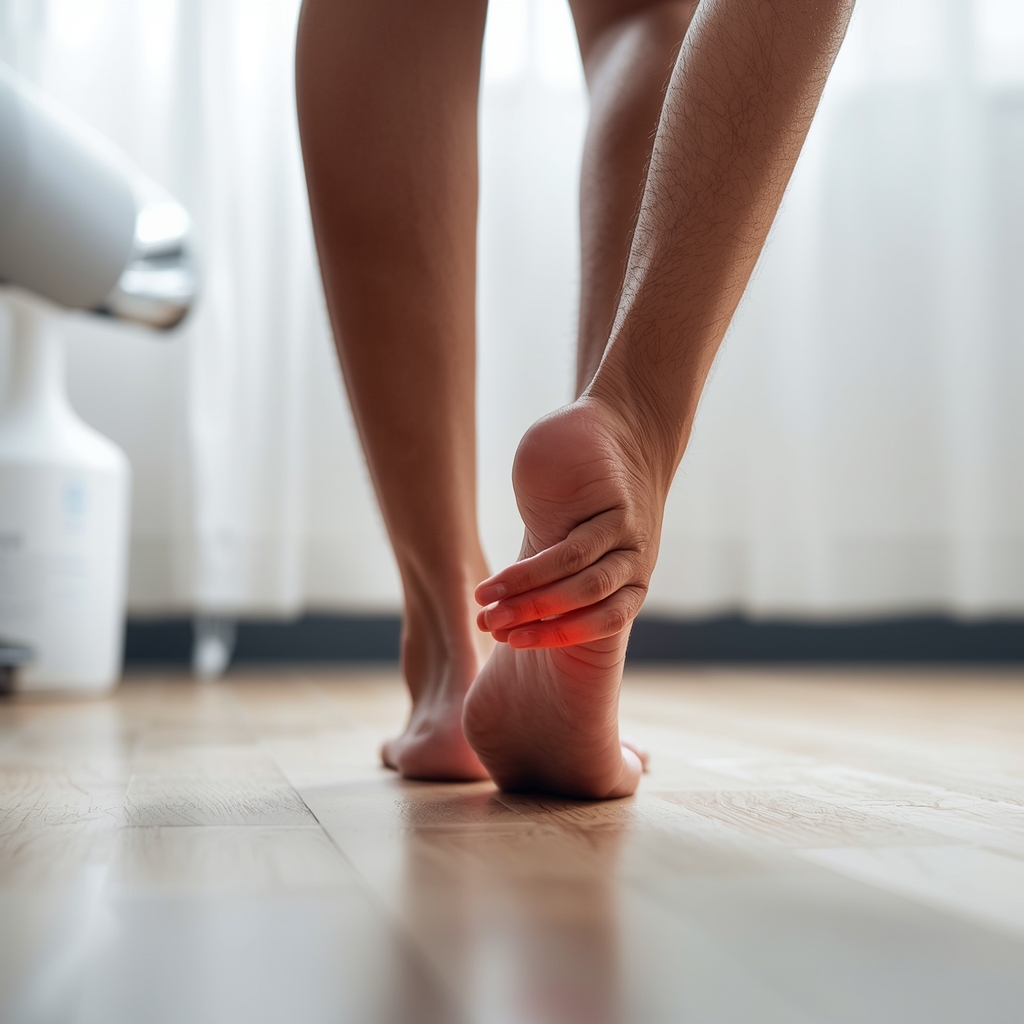
Understanding Active Release Technique (ART)
Active Release Technique (ART) is a specialized soft tissue treatment method designed to address issues caused by overuse, injury, or repetitive strain. It focuses on breaking down scar tissue and adhesions in muscles, tendons, and ligaments, which can restrict movement and cause pain. For patients with chronic plantar fasciitis, ART offers a targeted approach to alleviate discomfort by addressing the underlying soft tissue restrictions in the foot and lower leg. Unlike traditional massage, ART combines movement with manual pressure, allowing practitioners to isolate and treat specific areas of tension. This technique is particularly valuable for conditions like plantar fasciitis, where tightness in the plantar fascia and surrounding muscles contributes to persistent pain. By restoring normal tissue function, ART aims to improve mobility and reduce symptoms, making it a popular choice among chiropractors and physical therapists.
How ART Addresses Chronic Plantar Fasciitis
Chronic plantar fasciitis often involves persistent inflammation and microtears in the plantar fascia, a thick band of tissue connecting the heel to the toes. Over time, these issues can lead to the formation of scar tissue, which further restricts movement and exacerbates pain. ART works by identifying and releasing these adhesions through precise, hands-on manipulation while the patient actively moves the affected area. This dual approach helps break down restrictive scar tissue, restore elasticity, and improve blood flow to the region. By targeting the root causes of stiffness and pain, ART can reduce the strain on the plantar fascia and surrounding structures. Patients often report decreased pain and improved flexibility after a series of sessions, making ART a complementary option to other treatments like stretching or orthotics. Its focus on soft tissue health makes it particularly effective for long-term management of chronic conditions.
Benefits of ART for Soft Tissue Health
ART’s primary advantage lies in its ability to enhance soft tissue function, which is critical for recovery from conditions like plantar fasciitis. By manually breaking down adhesions and scar tissue, ART promotes better range of motion and reduces pain associated with restricted movement. This technique also stimulates the body’s natural healing processes by increasing circulation and reducing inflammation in the affected area. For patients with chronic plantar fasciitis, improved soft tissue elasticity can alleviate the constant tension that contributes to heel pain. Additionally, ART can address related issues, such as tightness in the calf muscles or Achilles tendon, which often accompany plantar fasciitis. Many individuals find that combining ART with other therapies, like stretching or orthotic support, leads to more comprehensive relief. Its non-invasive nature and focus on manual correction make it a versatile tool for chiropractors treating musculoskeletal conditions.
The Role of Chiropractors in ART Treatment
Chiropractors play a key role in administering Active Release Technique (ART) as part of a broader treatment plan for chronic plantar fasciitis. Trained in musculoskeletal assessment, chiropractors identify areas of restriction and apply ART to restore normal function. During a session, they use their hands to apply pressure while guiding the patient through specific movements, ensuring the technique targets the right tissues. This personalized approach allows chiropractors to address not only the plantar fascia but also related structures, such as the Achilles tendon or calf muscles, which may contribute to the condition. Chiropractors often combine ART with other interventions, like spinal adjustments or therapeutic exercises, to optimize outcomes. Their expertise in biomechanics helps tailor the treatment to each patient’s needs, ensuring a safe and effective experience. Patients are encouraged to work closely with their chiropractor to monitor progress and adjust the treatment plan as needed.
Patient Outcomes and Long-Term Relief
Patients with chronic plantar fasciitis often seek ART as a non-surgical option to manage persistent heel pain. While individual results may vary, many report significant improvements in mobility and reduced discomfort after consistent ART sessions. The technique’s focus on soft tissue rehabilitation can lead to long-term relief by addressing the underlying causes of the condition rather than just masking symptoms. Some patients experience faster recovery when ART is integrated with other therapies, such as stretching routines or footwear modifications. However, it’s important to note that ART is most effective when part of a comprehensive care plan. Chiropractors typically recommend multiple sessions over several weeks to achieve lasting results. Patients should also maintain healthy habits, like avoiding prolonged standing or wearing supportive shoes, to prevent recurrence. Regular follow-ups with a chiropractor can help monitor progress and make adjustments to the treatment strategy as needed.
When to Consider ART for Plantar Fasciitis
If conservative treatments like rest, stretching, or over-the-counter orthotics fail to provide relief, patients may consider Active Release Technique (ART) as an alternative approach. ART is particularly suited for individuals with chronic plantar fasciitis who have not found success with traditional methods. Before starting ART, it’s essential to consult a qualified chiropractor or healthcare provider to determine if the technique is appropriate for their condition. A thorough evaluation can identify any underlying factors contributing to the pain, ensuring ART is applied effectively. Patients should also discuss their medical history and any medications they are taking to avoid potential complications. While ART is generally safe, it’s crucial to seek treatment from a trained professional to minimize risks. For those exploring non-invasive options, ART offers a promising avenue to address soft tissue restrictions and improve overall foot function.














