
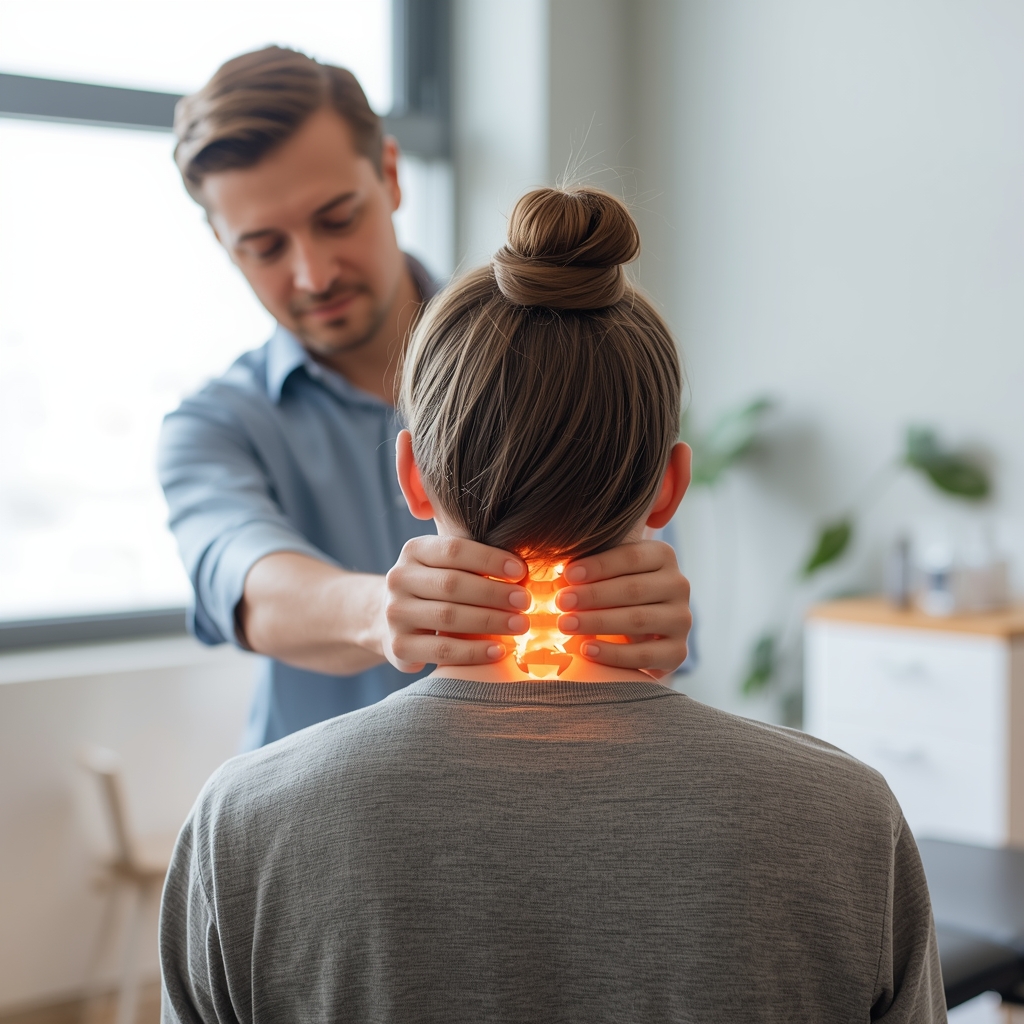
Understanding Post-Concussion Cervical Dysfunction
Post-concussion cervical dysfunction refers to musculoskeletal issues in the neck region following a head injury. Concussions often cause whiplash-like movements, leading to strain on cervical joints, muscles, and nerves. Symptoms may include neck pain, limited range of motion, headaches, and dizziness. The cervical spine’s alignment and function are critical for overall recovery, as misalignments can exacerbate symptoms or delay healing. While concussions primarily affect brain function, their secondary musculoskeletal impacts require targeted care. Understanding the distinction between chiropractic and physical therapy approaches helps patients navigate treatment options that address both structural and functional aspects of recovery.
Chiropractic Adjustments: Focus on Spinal Alignment
Chiropractic care for post-concussion cervical dysfunction emphasizes realigning the spine to restore proper biomechanics. Adjustments involve manual or instrument-assisted techniques to correct vertebral subluxations, reducing pressure on nerves and improving mobility. This approach aims to alleviate pain, enhance nervous system function, and support the body’s natural healing processes. Chiropractors may also use soft tissue therapies to address muscle tension. For patients with post-concussion symptoms, adjustments can help mitigate headaches, dizziness, and neck stiffness by ensuring the cervical spine functions optimally. However, treatment plans are tailored to individual needs, prioritizing gentle, non-invasive methods to avoid further injury.
Physical Therapy: Targeted Exercises and Rehabilitation
Physical therapy focuses on restoring strength, flexibility, and function through customized exercise programs. For post-concussion cervical dysfunction, therapists may prescribe range-of-motion exercises, manual therapy, and postural retraining to address muscle imbalances and joint restrictions. Education on proper movement patterns and activity modification is also key. PTs often incorporate modalities like heat, ice, or electrical stimulation to manage pain and inflammation. This approach emphasizes long-term mobility and resilience, helping patients regain confidence in daily activities. By addressing both acute symptoms and underlying weaknesses, physical therapy supports a gradual return to normal function while minimizing the risk of re-injury.
Comparing Treatment Approaches
Chiropractic adjustments and physical therapy differ in their primary goals and techniques. Chiropractic care prioritizes spinal realignment to optimize nervous system function, while physical therapy focuses on strengthening and rehabilitating musculoskeletal structures. For post-concussion cervical issues, chiropractic may offer immediate relief by correcting misalignments, whereas physical therapy builds foundational strength and flexibility. Both approaches can complement each other, with chiropractors addressing structural concerns and PTs targeting functional recovery. The choice depends on the patient’s specific symptoms, medical history, and treatment preferences. A healthcare provider can help determine which modality aligns best with individual recovery goals.
Collaborative Care: Integrating Both Modalities
Combining chiropractic and physical therapy can provide a holistic approach to post-concussion cervical dysfunction. Chiropractic adjustments may address spinal misalignments contributing to pain or dizziness, while physical therapy targets muscle weakness and movement impairments. This integrated model allows for comprehensive care, ensuring both structural and functional aspects are addressed. For example, a patient might receive adjustments to improve cervical mobility and then engage in PT exercises to strengthen supporting muscles. Collaboration between providers ensures treatment plans are coordinated, reducing the risk of conflicting interventions. Patients often benefit from this synergy, as it supports faster recovery and long-term musculoskeletal health.
Consulting a Healthcare Provider: Making an Informed Choice
Deciding between chiropractic adjustments and physical therapy for post-concussion cervical dysfunction requires personalized guidance. Both modalities have evidence-based applications, but their suitability depends on individual symptoms, medical history, and treatment goals. A healthcare provider can assess the severity of the condition, rule out contraindications, and recommend the most appropriate approach. Patients should discuss their preferences and expectations to create a tailored plan. Whether opting for chiropractic care, physical therapy, or a combination, professional oversight ensures safe and effective treatment. Open communication with providers helps patients make informed decisions that support their recovery journey.













