
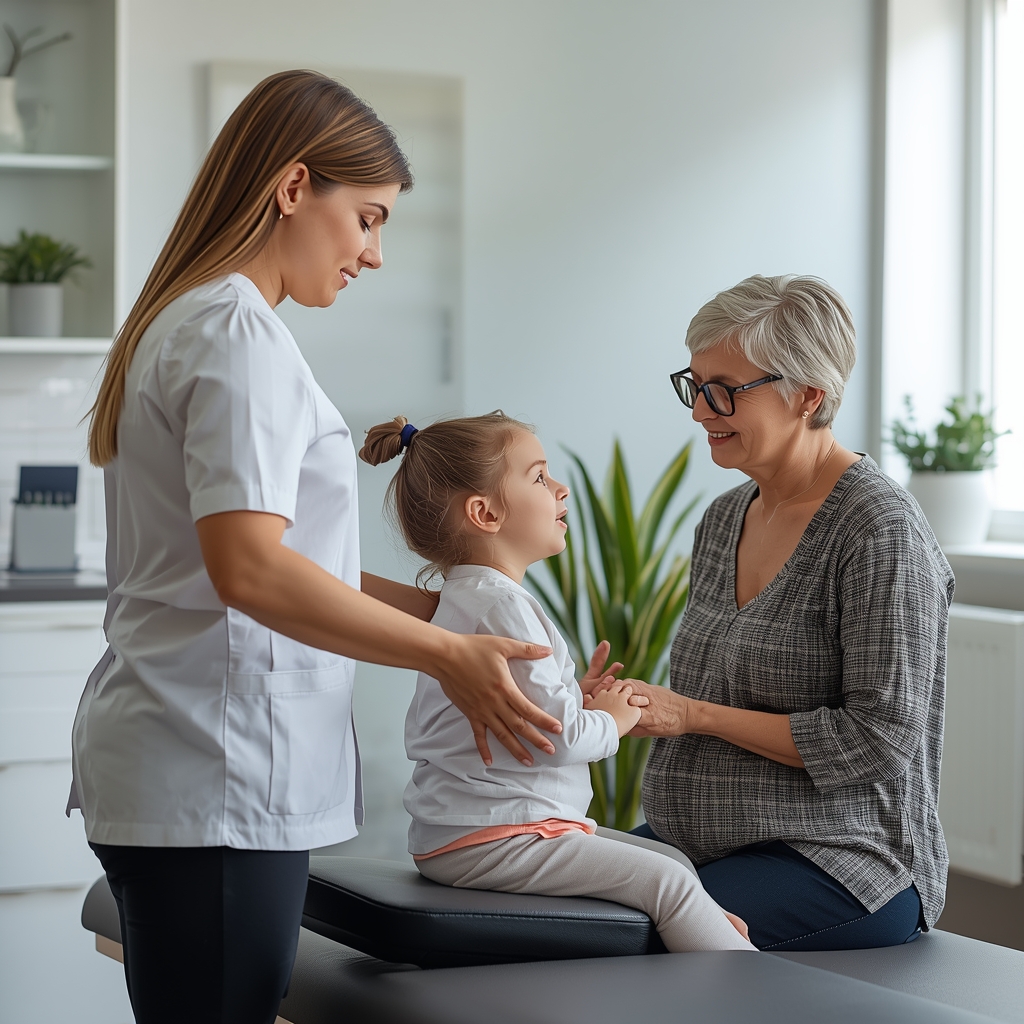
Gentle Techniques for Pediatric Patients
Chiropractors adapt adjustments for children by prioritizing gentleness and developmental considerations. For infants, techniques like the Activator Method or drop-table adjustments minimize force, addressing issues such as birth trauma or colic. Older children may benefit from manual adjustments tailored to their growing spines, often focusing on posture, sports injuries, or academic-related strain. The goal is to support musculoskeletal development while ensuring comfort. Chiropractors may also incorporate soft tissue therapies or exercises to complement care. Open communication with parents is essential to align treatments with the child’s needs and preferences.
Prenatal Adjustments for Expectant Mothers
Pregnant women require specialized care to accommodate hormonal changes and shifting weight distribution. Chiropractors use techniques like the Webster Technique to support pelvic alignment, which can ease discomfort and promote optimal fetal positioning. Adjustments are typically low-force, avoiding pressure on the abdomen. Focus areas include relieving back pain, sciatica, and joint strain while maintaining spinal stability. Regular visits can help manage pregnancy-related discomfort and improve overall well-being. Chiropractors collaborate with obstetricians to ensure care aligns with medical guidelines, emphasizing safety and comfort throughout gestation.
Adapting Care for Senior Patients
For elderly patients, chiropractors prioritize mobility, fall prevention, and chronic condition management. Adjustments often involve gentle manipulations or instrument-assisted techniques to reduce joint stress. Spinal decompression or soft tissue work may address issues like arthritis or nerve compression. Chiropractors also consider comorbidities and medications, coordinating with other healthcare providers to ensure safe, integrated care. Education on posture, balance, and home exercises complements in-office treatments. The aim is to enhance quality of life by maintaining spinal health and reducing pain, allowing seniors to remain active and independent.
Family-Centered Communication and Customization
Chiropractors treating multiple family members emphasize personalized communication to address unique needs. Initial consultations help identify each individual’s goals, medical history, and lifestyle factors. For example, a parent’s work-related strain might differ from a child’s sports injury or an elder’s chronic pain. Chiropractors may develop coordinated care plans that consider family dynamics, such as shared activities or household stressors. Regular follow-ups allow adjustments to be refined over time. This holistic approach fosters trust and ensures treatments align with each person’s evolving requirements, promoting long-term wellness for the entire family.
Ensuring Safety and Comfort Across Age Groups
Safety is paramount when tailoring adjustments for diverse family members. Chiropractors use age-specific protocols, such as modified tables for children or pregnant patients, and avoid high-velocity techniques for seniors. They also monitor for signs of discomfort, adjusting methods as needed. For children, care often includes play-based elements to ease anxiety, while pregnant women may prefer side-lying positions for comfort. Elderly patients might benefit from shorter sessions with frequent breaks. By prioritizing patient feedback and adhering to evidence-based practices, chiropractors create a safe environment where all family members can receive effective, respectful care.
Collaborative Care for Holistic Family Wellness
Chiropractors often collaborate with other healthcare professionals to provide comprehensive care for families. This may involve coordinating with pediatricians, obstetricians, or geriatric specialists to address complex needs. For instance, a child with scoliosis might require both chiropractic and orthopedic input, while a senior with diabetes may need adjusted techniques to protect joint health. Family members can also benefit from shared wellness strategies, such as ergonomic advice or exercise routines. By fostering interdisciplinary partnerships, chiropractors ensure that care is well-rounded, supporting each individual’s health goals while strengthening the family’s overall well-being.














