
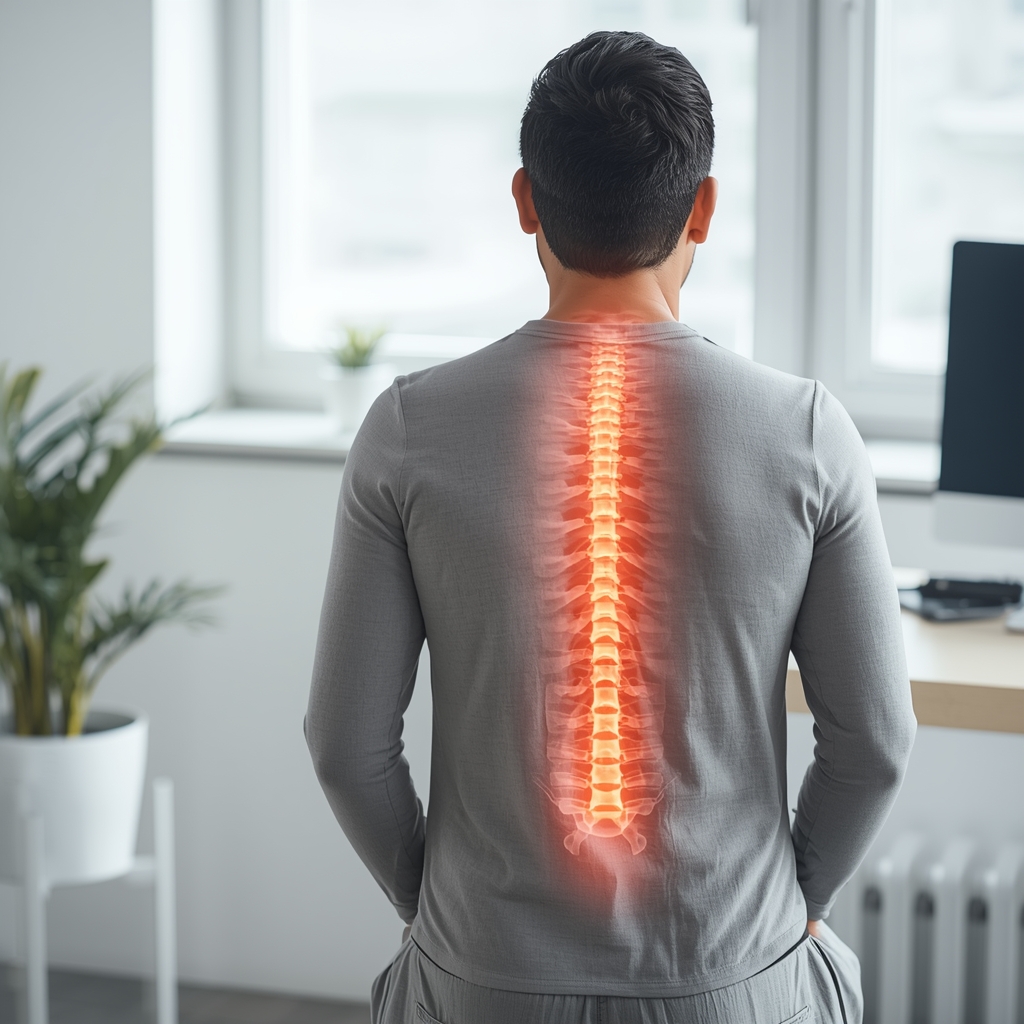
Understanding Chronic Spinal Stenosis and Its Impact
Chronic spinal stenosis occurs when the spinal canal narrows, compressing nerves and causing pain, numbness, or weakness. This condition often affects the lower back or neck, limiting mobility and quality of life. Many patients describe persistent discomfort that worsens with activity, making daily tasks challenging. Traditional treatments may include medications, physical therapy, or surgery, but some seek alternative approaches like chiropractic care. Chiropractors focus on spinal alignment and nervous system function, offering non-invasive options for managing symptoms. While results vary, many individuals report improved comfort and function through personalized care plans. Understanding how chiropractic interventions address spinal stenosis requires exploring real-world patient experiences and the role of ongoing treatment.
A Patient’s Journey with Chronic Spinal Stenosis
Consider the case of a 58-year-old individual who had struggled with chronic lower back pain for over a decade. Diagnosed with spinal stenosis, they experienced frequent leg cramping, difficulty walking, and sleep disturbances. Despite trying medications and physical therapy, their symptoms persisted, leading them to explore chiropractic care. Their motivation stemmed from a desire to avoid surgery and regain independence. Initial consultations focused on understanding their medical history, lifestyle, and goals. The patient emphasized their need for a treatment approach that prioritized safety and long-term relief. This foundation set the stage for a tailored chiropractic plan aimed at reducing nerve compression and improving spinal function.
Chiropractic Approaches for Spinal Stenosis
Chiropractors employ various techniques to address spinal stenosis, focusing on reducing pressure on nerves and enhancing mobility. Spinal adjustments are a cornerstone, aiming to realign vertebrae and restore proper function. Decompression therapy may also be used to gently stretch the spine, alleviating compression. Soft tissue therapies, such as myofascial release, can ease muscle tension contributing to discomfort. Additionally, rehabilitative exercises are often recommended to strengthen supporting muscles and improve posture. Each treatment plan is customized based on the patient’s condition and response. For spinal stenosis, care often involves a combination of these methods, with adjustments made over time to optimize outcomes. The goal is to create a sustainable approach that minimizes pain and supports overall wellness.
Progress and Transformative Outcomes
Over several months, the patient reported gradual improvements in their symptoms. Initially, they experienced mild soreness after adjustments, but this subsided as their body adapted. With consistent care, their leg cramping decreased, and they noticed greater ease in walking. Pain levels, once severe, became more manageable, allowing them to engage in light exercise. Sleep quality improved, and they felt more energized throughout the day. The patient also adopted ergonomic adjustments at work and home, further supporting their recovery. These changes reflected a holistic approach, combining chiropractic care with lifestyle modifications. By the end of their treatment, they regained confidence in their mobility and expressed gratitude for the non-invasive path they chose.
Challenges and Adaptations Along the Way
The patient’s journey was not without obstacles. Some days, they experienced flare-ups of discomfort, requiring adjustments to their care plan. Communication with their chiropractor was vital in addressing these challenges, leading to modifications in treatment frequency or techniques. Lifestyle factors, such as prolonged sitting or poor posture, occasionally hindered progress, prompting the need for additional guidance. The patient also faced moments of doubt, questioning whether the care was effective. However, their chiropractor provided ongoing education about the condition and the body’s healing process, reinforcing their commitment. These experiences underscored the importance of patience and adaptability in managing chronic conditions. The partnership between patient and provider became a key factor in achieving lasting results.
Long-Term Impact and Recommendations
The patient’s experience highlights how chiropractic care can offer meaningful relief for chronic spinal stenosis. By addressing structural imbalances and supporting the body’s natural healing mechanisms, they achieved a significant improvement in their quality of life. While individual results vary, many patients report similar benefits when care is tailored to their needs. It is essential to approach chiropractic treatment with realistic expectations and an open mind. Patients considering this option should consult a licensed chiropractor to discuss their unique situation. Regular follow-ups and lifestyle adjustments can help maintain progress over time. For those seeking alternatives to surgery or medication, chiropractic care provides a valuable, non-invasive pathway to wellness.













