
Understanding the Link Between Concussion and Chronic Pain in Veterans
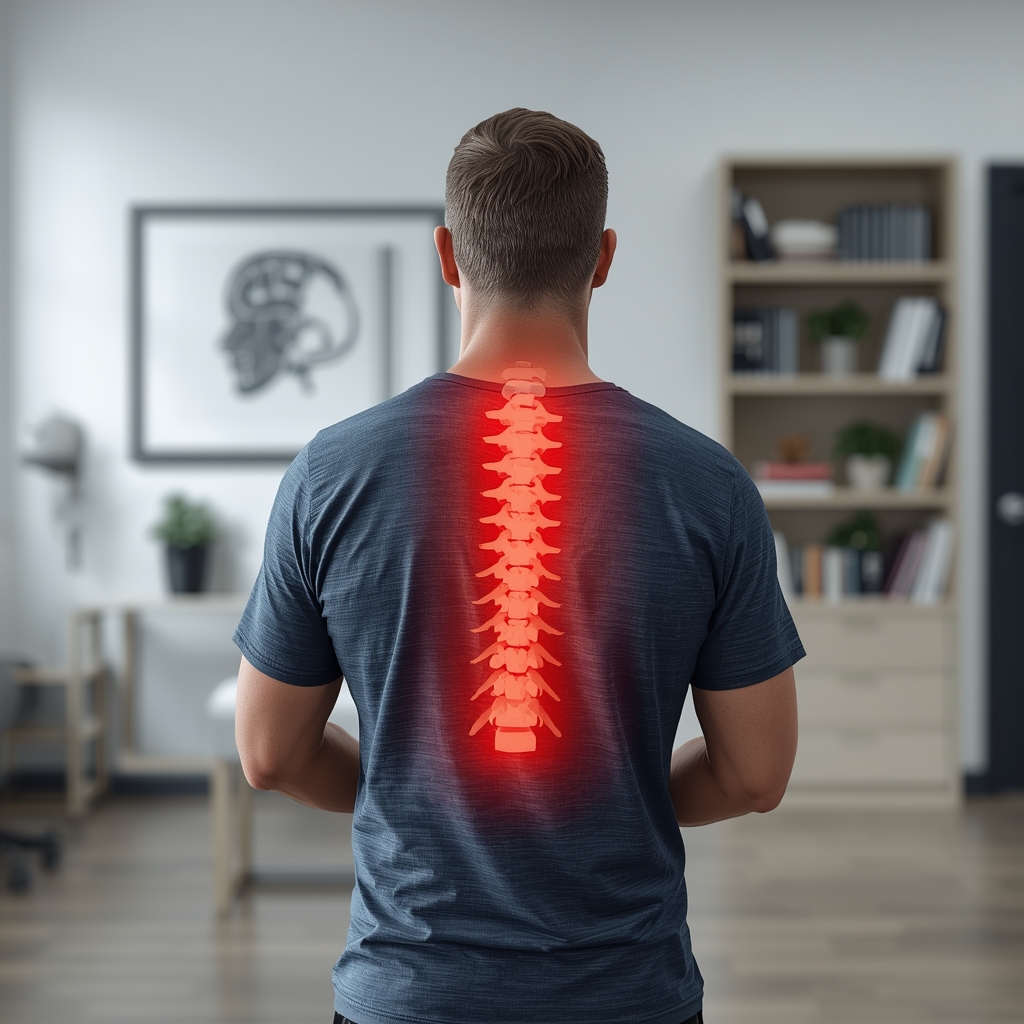
Post-concussion syndrome (PCS) affects many veterans, often leading to persistent headaches, dizziness, and cognitive challenges. Chronic pain frequently accompanies these symptoms, complicating recovery. The spine plays a critical role in overall nervous system function, and misalignments—common in trauma cases—may exacerbate pain and hinder healing. Chiropractic care focuses on restoring spinal balance, which could alleviate some PCS-related discomfort by improving nerve communication and reducing musculoskeletal strain. While research on this specific application is limited, anecdotal evidence suggests spinal adjustments may offer relief for veterans struggling with lingering effects of head injuries.
How Spinal Adjustments May Support Recovery
Spinal adjustments aim to correct subluxations—misalignments that disrupt nerve function. For veterans with PCS, these adjustments might reduce pressure on nerves affected by head or neck trauma, potentially easing pain and improving mobility. By restoring proper spinal mechanics, chiropractors can help the body’s systems work more efficiently, which may support overall recovery. However, it’s important to note that adjustments are part of a broader care plan and should be tailored to each individual’s needs. Veterans considering this approach should consult a chiropractor experienced in treating military-related injuries to ensure safe and effective treatment.
Personalized Care for Complex Military Injuries
Veterans often face unique challenges due to the nature of their service, including exposure to blast injuries or repetitive physical stress. Chiropractic care for PCS must be highly individualized, accounting for each person’s medical history and injury specifics. Techniques like soft tissue therapy or posture correction may complement spinal adjustments, addressing secondary issues like muscle tension or compensatory movement patterns. A thorough evaluation by a qualified provider is essential to develop a plan that aligns with the veteran’s goals. This personalized approach ensures care is both safe and effective, avoiding one-size-fits-all solutions that may not address the full scope of their condition.
Complementary Therapies and Holistic Approaches
Chiropractic care often integrates with other therapies to enhance outcomes for veterans with PCS. Modalities like acupuncture, massage, or corrective exercises can address pain and mobility issues from multiple angles. For example, massage therapy may reduce muscle stiffness linked to chronic pain, while exercises can improve balance and coordination. Chiropractors may also recommend lifestyle adjustments, such as ergonomic changes or stress management techniques, to support long-term wellness. These complementary strategies work alongside spinal care to create a holistic treatment plan, emphasizing the body’s innate ability to heal when given the right support.
The Role of Chiropractors in Military-Specific Care
Chiropractors specializing in veterans’ health understand the unique demands of military service and its long-term effects. They are trained to recognize how trauma, repetitive strain, or prolonged physical exertion can impact the spine and nervous system. This expertise allows them to design care plans that address both visible and subtle injuries, such as those from blast exposure or combat-related falls. By focusing on the root causes of pain rather than just symptoms, these professionals help veterans regain function and quality of life. Collaboration with other healthcare providers ensures a comprehensive approach, making chiropractic care a valuable component of veterans’ rehabilitation efforts.
Consulting a Qualified Provider for Safe Treatment
While chiropractic care shows promise for veterans with PCS, it’s crucial to seek treatment from a licensed and experienced provider. Not all chiropractors have expertise in military-related conditions, so veterans should look for practitioners familiar with trauma recovery and chronic pain management. A thorough initial assessment helps identify contraindications and ensures adjustments are safe, especially for those with complex medical histories. Open communication with the chiropractor allows for ongoing adjustments to the care plan as needs evolve. Veterans should view chiropractic care as one tool among many, used in conjunction with other medical and therapeutic interventions for optimal results.













