
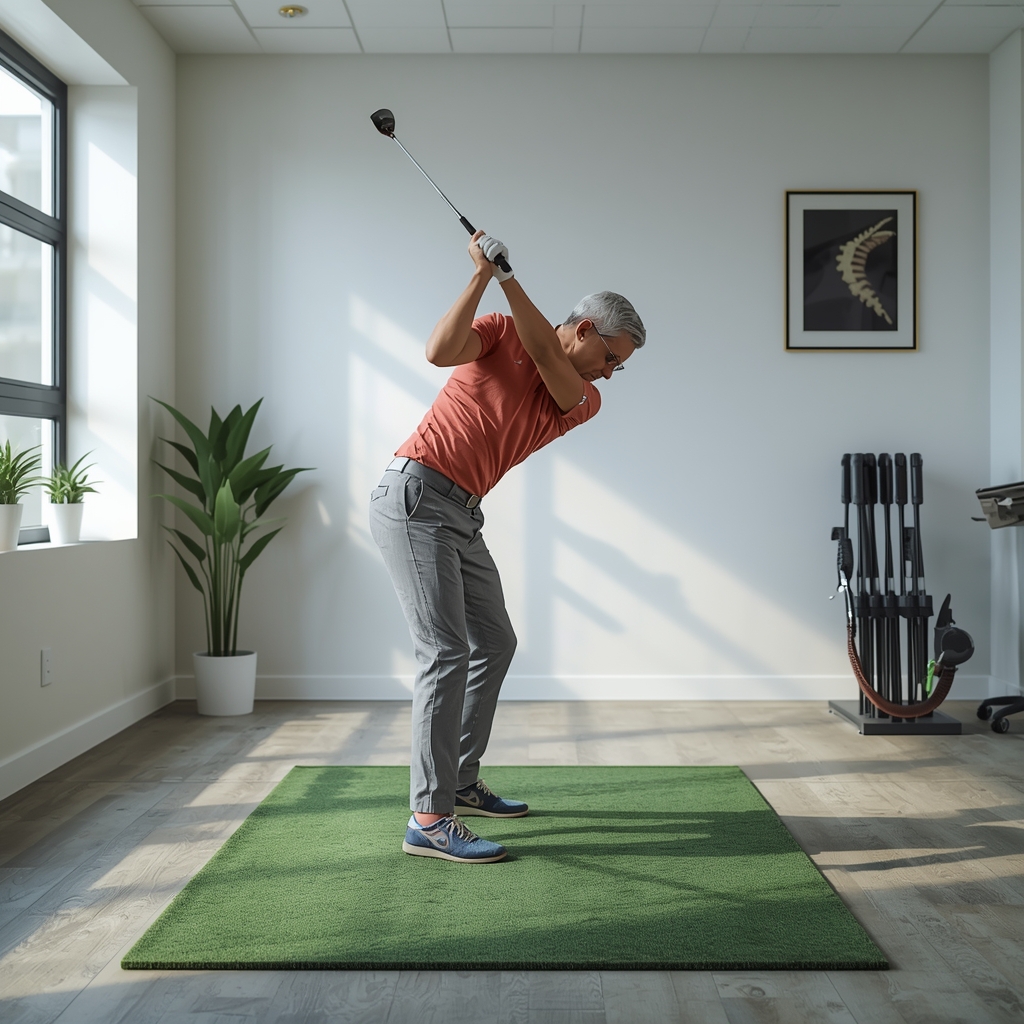
How Spinal Alignment Enhances Golf Swing Mechanics
Proper spinal alignment is foundational to a fluid, powerful golf swing. Misalignments in the spine can disrupt the kinetic chain, affecting balance, rotation, and power transfer. Chiropractic adjustments aim to restore optimal posture and joint mobility, allowing golfers to generate more consistent swing mechanics. By ensuring the spine functions as a stable yet flexible core, adjustments can improve weight shift, torso rotation, and overall coordination during the swing. This foundational support helps golfers maintain proper form, reducing the risk of compensatory movements that may lead to inefficiency or injury.
Improving Range of Motion for Greater Swing Efficiency
A golf swing requires a wide range of motion in the hips, shoulders, and thoracic spine. Restrictions in these areas can limit swing amplitude and power. Chiropractic care focuses on addressing joint restrictions and soft tissue tightness, enhancing flexibility and mobility. For example, improving hip rotation allows for a fuller backswing, while increased thoracic spine mobility supports a more efficient weight transfer. By optimizing these movement patterns, golfers often experience smoother, more controlled swings, which can translate to better performance on the course.
Preventing Common Golf-Related Injuries
Golfers frequently face injuries like lower back pain, shoulder strains, and wrist discomfort due to repetitive motion and improper mechanics. Chiropractic adjustments can mitigate these risks by correcting biomechanical imbalances and reducing stress on vulnerable joints. For instance, addressing sacroiliac joint dysfunction or cervical spine misalignments may alleviate lower back pain commonly associated with swinging. Regular checkups can also identify early signs of wear and tear, enabling proactive interventions to prevent minor issues from escalating into chronic conditions.
Supporting Nervous System Function for Better Coordination
The nervous system plays a critical role in coordinating muscle activation and movement during a golf swing. Spinal misalignments, or subluxations, can interfere with nerve signals, leading to diminished control and precision. Chiropractic adjustments aim to remove these disruptions, promoting optimal communication between the brain and body. This improved neural function can enhance a golfer’s ability to execute complex movements with greater accuracy and consistency. By fostering a well-aligned spine, adjustments may also contribute to faster reaction times and better overall athletic performance.
Accelerating Recovery from Golf-Related Strains
Even with proper technique, golfers may experience minor strains or overuse injuries from frequent play. Chiropractic care can support recovery by reducing inflammation, improving circulation, and restoring joint function. Techniques like soft tissue therapy or mobilization may alleviate muscle tightness and speed up healing. Additionally, adjustments can help rebalance the body’s systems, preventing compensatory patterns that might prolong recovery. For golfers seeking to maintain their schedule, regular chiropractic care offers a non-invasive way to stay in peak condition and return to play faster.
Integrating Chiropractic Care with Golf Training
Chiropractic adjustments work best when combined with other aspects of golf training, such as strength conditioning and flexibility exercises. A chiropractor can collaborate with coaches to tailor care plans that address specific biomechanical needs. For example, adjustments may complement core strengthening routines to enhance stability during the swing. Golfers may also benefit from ergonomic assessments to ensure their equipment and setup align with their body’s natural movement patterns. By integrating chiropractic care into their overall approach, golfers can maximize performance while minimizing injury risk.












