
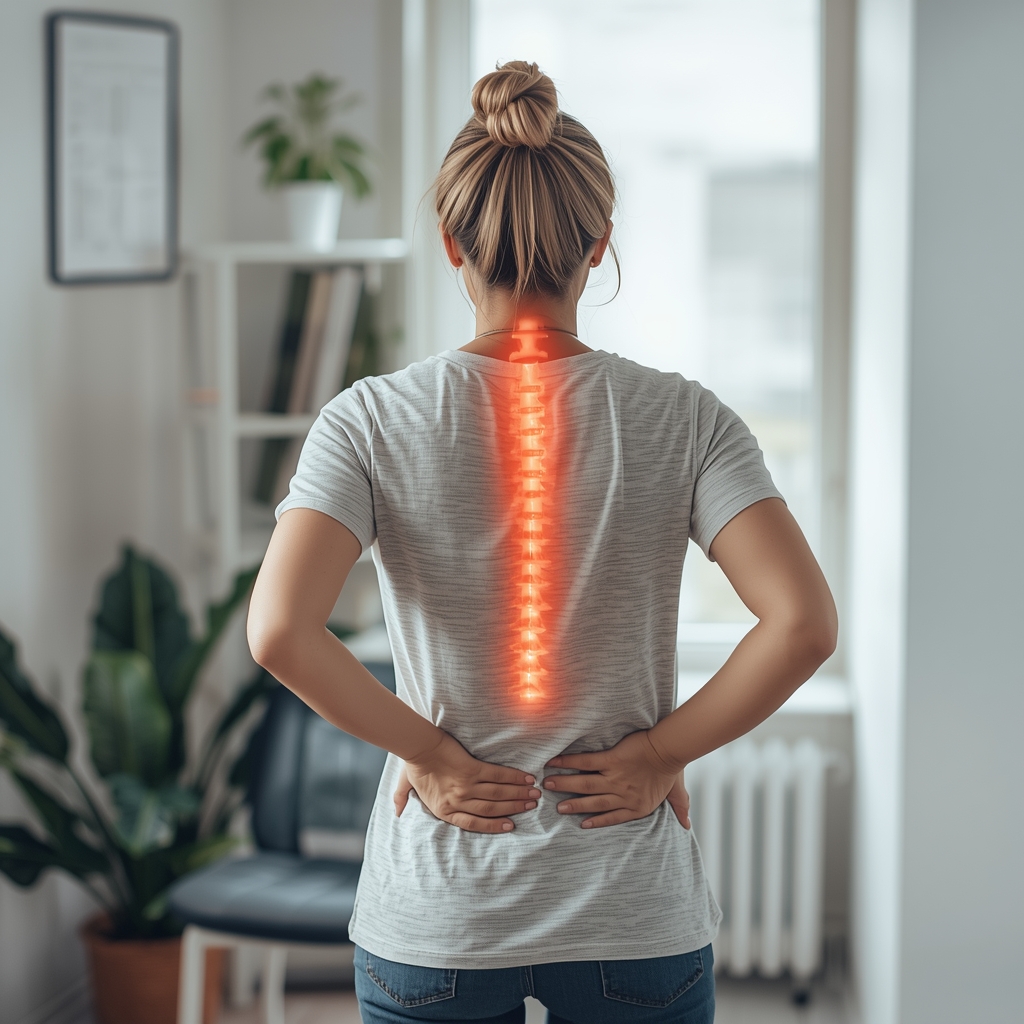
Assessing Individual Needs for Degenerative Scoliosis
Chiropractors begin by conducting thorough evaluations to understand the unique structure of an adult’s spine and the specific impacts of degenerative scoliosis. This includes reviewing medical history, imaging scans, and physical exams to identify curvature patterns, nerve involvement, and mobility limitations. Since degenerative scoliosis often develops alongside conditions like osteoarthritis or disc degeneration, chiropractors tailor their approach to address both spinal alignment and associated musculoskeletal challenges. By prioritizing patient-reported symptoms—such as pain locations, activity restrictions, and daily discomfort—chiropractors create a foundation for personalized care plans that balance corrective goals with comfort and safety.
Customizing Spinal Adjustments and Techniques
Adjustment methods are adapted to the patient’s spine stability, bone density, and overall health. For adults with degenerative scoliosis, techniques like flexion-distraction or low-force adjustments may be preferred over traditional high-velocity thrusts to avoid exacerbating spinal stress. Chiropractors may also use instrument-assisted adjustments or soft-tissue therapies to gently realign the spine and reduce pressure on nerves. These approaches are often combined with mobilization exercises to improve flexibility and support long-term spinal health. The key is to maintain a balance between addressing misalignments and ensuring the patient’s comfort, as degenerative changes require careful, incremental interventions.
Integrating Soft Tissue and Rehabilitative Therapies
Soft tissue therapies, such as Active Release Technique (ART) or myofascial release, help alleviate muscle tension and improve spinal mobility in adults with degenerative scoliosis. Tight muscles around the spine can worsen curvature-related pain and limit movement, so targeted treatments aim to restore balance. Chiropractors may also incorporate rehabilitative exercises to strengthen core and postural muscles, which support spinal stability. These therapies are often adjusted based on the patient’s tolerance and progress, ensuring they complement spinal adjustments without causing additional strain. By addressing both structural and muscular components, chiropractors create a holistic plan to enhance mobility and reduce discomfort.
Addressing Pain Through Multimodal Strategies
Chiropractors use a variety of non-invasive methods to manage pain associated with degenerative scoliosis, such as cold laser therapy, electrical stimulation, or heat applications. These modalities can reduce inflammation, ease muscle spasms, and improve circulation around the spine. Additionally, lifestyle modifications—like ergonomic adjustments or activity pacing—are discussed to minimize strain on the spine during daily tasks. Since pain levels vary among individuals, chiropractors work closely with patients to refine these strategies, ensuring they align with the patient’s lifestyle and goals. The focus remains on sustainable relief rather than temporary fixes, supporting long-term spinal health and quality of life.
Monitoring Progress and Adapting Care Plans
Regular follow-ups allow chiropractors to track improvements in mobility, pain levels, and overall function. These visits help identify when adjustments or therapies need refinement, ensuring care remains effective as the spine adapts over time. Adults with degenerative scoliosis may experience fluctuating symptoms, so flexibility in treatment approaches is crucial. Chiropractors might introduce new exercises, adjust manual techniques, or refer to other specialists if needed. By maintaining open communication and prioritizing patient feedback, chiropractors ensure that care plans evolve alongside the patient’s changing needs, fostering a collaborative path to better spinal health.
Empowering Patients Through Education and Self-Care
Education plays a vital role in helping adults with degenerative scoliosis take an active role in their care. Chiropractors often teach patients about proper posture, body mechanics, and exercises to perform at home. Understanding how daily activities affect the spine empowers individuals to make informed choices that support their treatment goals. Additionally, chiropractors may recommend supportive devices, such as braces or ergonomic tools, to reduce strain. By fostering a partnership rooted in knowledge and self-management, chiropractors help patients build resilience against pain and maintain mobility. This approach ensures that care extends beyond office visits, promoting lasting wellness and independence.














