
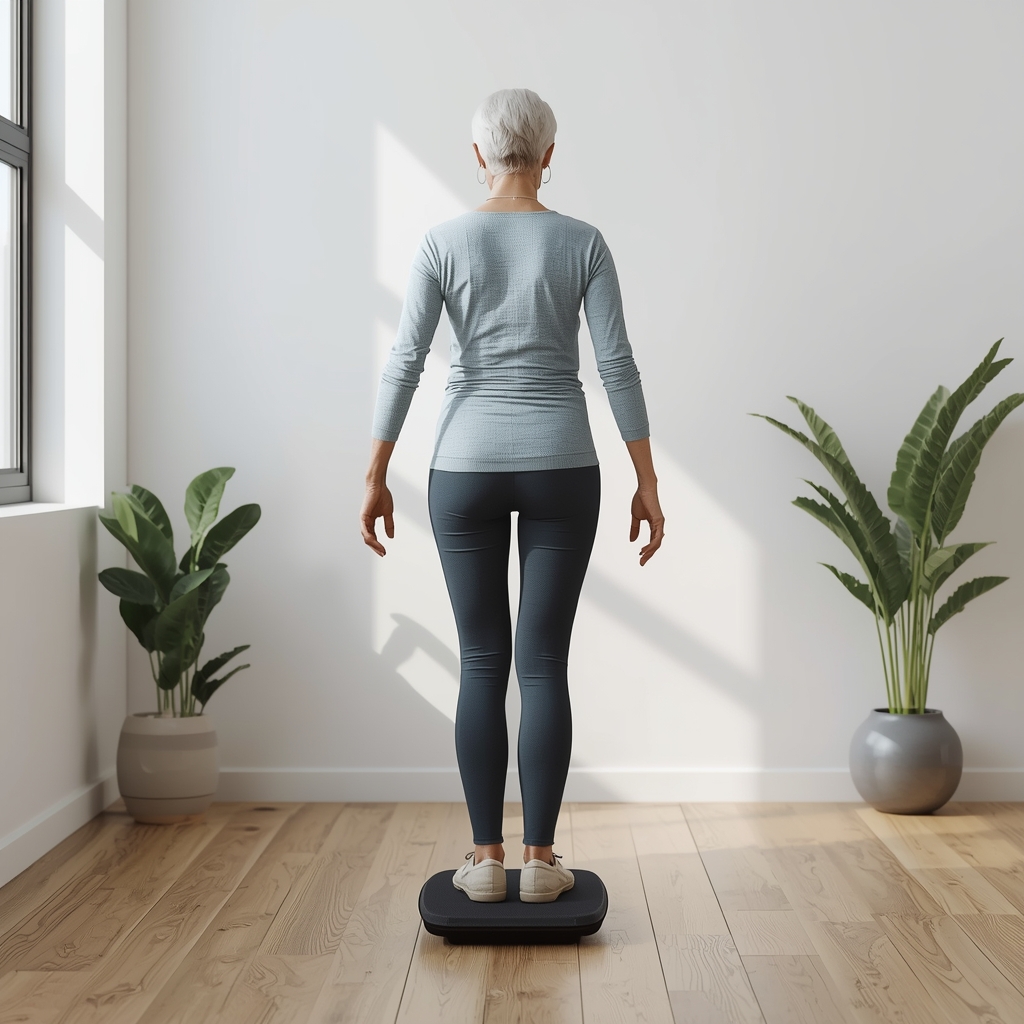
Understanding Balance Challenges in Older Adults with Osteoporosis
As people age, maintaining balance becomes increasingly critical, especially for those with osteoporosis, a condition that weakens bones and raises fall risks. Osteoporosis-related fractures, particularly in the hips and spine, can lead to severe mobility issues and reduced quality of life. Balance difficulties often stem from muscle weakness, joint stiffness, and impaired proprioception—the body’s ability to sense position and movement. Chiropractic care addresses these challenges by focusing on spinal alignment, nervous system function, and musculoskeletal health. By improving joint mobility and nerve communication, chiropractors may help older adults stabilize their posture and reduce fall risks, offering a complementary approach to traditional medical strategies.
Spinal Adjustments and Nervous System Function
The nervous system plays a central role in balance, coordinating signals between the brain, muscles, and sensory receptors. Misalignments in the spine, known as subluxations, can disrupt this communication, contributing to instability. Chiropractic adjustments aim to correct these misalignments, restoring proper nerve function and enhancing the body’s ability to maintain balance. For older adults with osteoporosis, gentle spinal manipulations may improve posture and reduce strain on weakened bones. While research on direct links between adjustments and fall prevention is limited, many practitioners observe improved mobility and confidence in patients following regular care. These adjustments are typically tailored to be low-force and safe for individuals with fragile bone structures.
Posture and Alignment for Enhanced Stability
Poor posture is a common issue among older adults and can exacerbate balance problems. Conditions like kyphosis (rounded upper back) or forward head posture create uneven weight distribution, increasing fall risks. Chiropractors assess and address postural imbalances through targeted adjustments and soft tissue techniques. By realigning the spine and supporting musculature, they help distribute pressure more evenly across the body. This not only reduces strain on osteoporotic bones but also improves proprioception, allowing the body to respond more effectively to changes in position. Customized exercises and ergonomic advice may also be incorporated to reinforce these improvements, creating a holistic approach to stability and mobility.
Sensory Integration and Proprioceptive Feedback
Proprioception—the body’s awareness of its position in space—is vital for balance. Osteoporosis can impair this function by affecting joint receptors and nerve pathways. Chiropractic care may enhance proprioception through techniques that stimulate sensory receptors in the joints and muscles. Gentle manipulations and mobilizations can retrain the nervous system to process spatial information more accurately. Additionally, chiropractors often recommend balance exercises and foot-strengthening routines to complement these effects. While not a standalone solution, these strategies may help older adults navigate their environment more safely, reducing the likelihood of falls and associated injuries.
Personalized Care Plans for Older Adults
Each older adult’s needs differ, especially when osteoporosis is involved. Chiropractors create individualized care plans that consider factors like bone density, existing injuries, and overall mobility. These plans may include low-force adjustments, soft tissue therapy, and rehabilitative exercises designed to strengthen muscles without stressing fragile bones. Regular evaluations ensure the approach remains safe and effective over time. Open communication between patients and providers is essential to address concerns and adjust strategies as needed. By prioritizing patient-specific goals, chiropractic care can play a supportive role in maintaining independence and reducing fall-related risks in this population.
Collaborating with Healthcare Providers
Chiropractic care should complement, not replace, medical treatments for osteoporosis. Working with a primary care physician, physical therapist, or orthopedic specialist ensures a comprehensive approach to fall prevention. Chiropractors can share insights about musculoskeletal health and balance improvements, but decisions about medications, dietary changes, or other interventions should involve licensed medical professionals. For older adults, a multidisciplinary team helps address both bone health and mobility challenges. By integrating chiropractic care into a broader healthcare plan, seniors can maximize their safety and well-being while maintaining an active lifestyle.














