
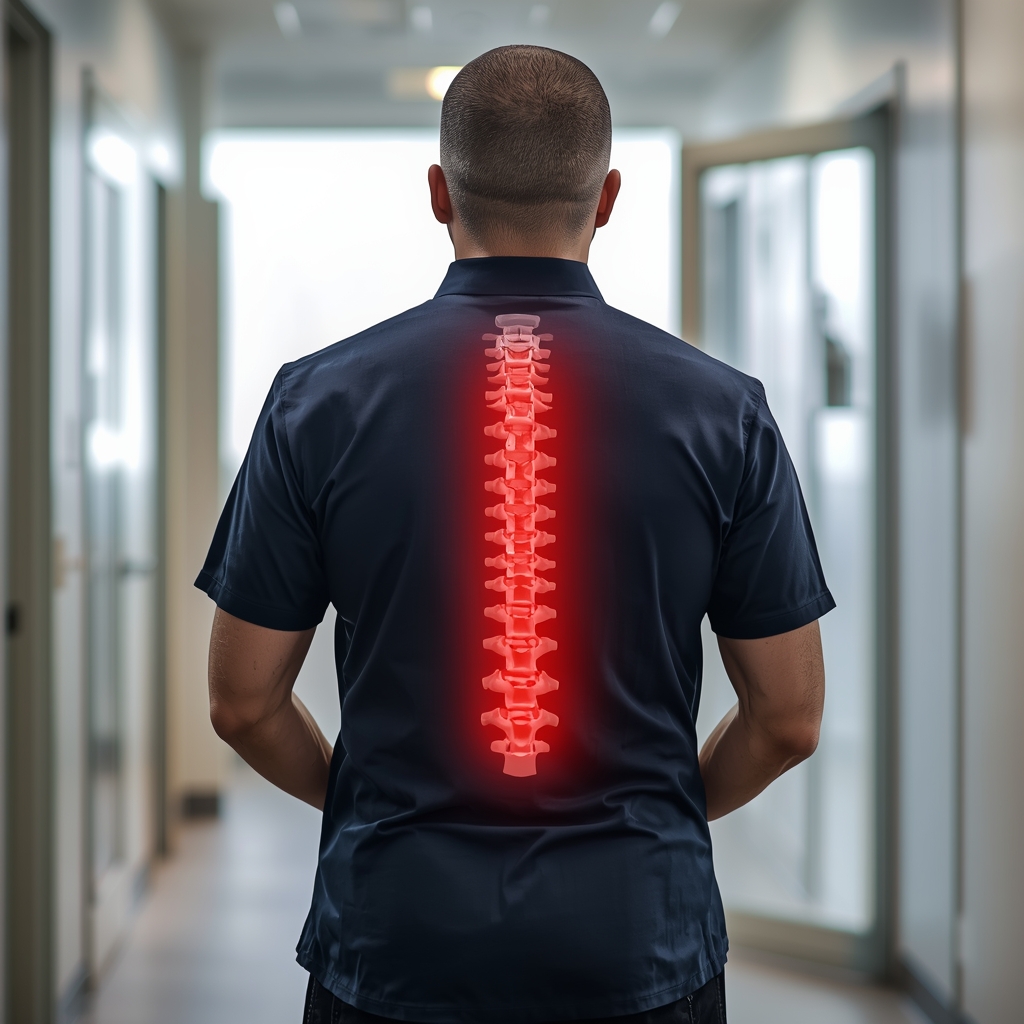
Understanding Combat-Related Spinal Injuries
Combat-related spinal injuries often result from blast trauma, falls, or direct impacts, leading to complex damage such as herniated discs, spinal cord contusions, or fractures. These injuries can cause chronic pain, reduced mobility, and neurological complications. Veterans may also experience secondary issues like post-traumatic stress disorder (PTSD) or musculoskeletal imbalances that complicate recovery. The spine’s role in protecting the nervous system means even minor misalignments can exacerbate symptoms. Chiropractic care focuses on restoring structural integrity and function, addressing both the physical and systemic effects of such injuries. By prioritizing non-invasive, holistic approaches, chiropractors aim to support the body’s natural healing processes while minimizing reliance on medications or surgeries.
Chiropractic Techniques for Spinal Rehabilitation
Chiropractic adjustments, soft tissue therapies, and rehabilitative exercises are commonly used to address spinal injuries. Spinal manipulative therapy (SMT) can realign vertebrae, reducing pressure on nerves and improving mobility. Techniques like Active Release Technique (ART) may alleviate muscle tightness or scar tissue from trauma. Decompression therapy can also help by gently stretching the spine to relieve disc-related pain. For veterans, these methods are often tailored to their unique injury profiles, considering factors like prior surgeries or chronic conditions. The goal is to restore range of motion, enhance circulation, and reduce inflammation. Chiropractors may collaborate with physical therapists to design comprehensive rehabilitation plans that support long-term recovery and functional independence.
Chronic Pain Reduction Through Chiropractic Care
Chronic pain is a prevalent issue among veterans with spinal injuries, often stemming from nerve irritation, inflammation, or structural instability. Chiropractic care offers non-pharmacological pain management by targeting the root causes of discomfort. Adjustments can reduce nerve compression, while soft tissue work may ease muscle spasms and tension. Studies suggest that regular chiropractic sessions can decrease reliance on opioids and improve quality of life. Techniques like cold laser therapy or electrical stimulation might also be used to modulate pain signals. For veterans, this approach aligns with broader efforts to avoid long-term medication use. However, results vary, and care should be individualized to address specific pain sources and comorbidities, ensuring safety and effectiveness.
Special Considerations for Veterans with Spinal Injuries
Veterans often face unique challenges when seeking chiropractic care, including complex medical histories, coexisting conditions like PTSD, or prior surgical interventions. Chiropractors must consider the psychological impact of combat trauma, as stress and anxiety can exacerbate physical symptoms. Access to care may also be limited by geographic location or insurance coverage, requiring creative solutions like telehealth or VA partnerships. Additionally, veterans may have heightened sensitivity to certain treatments due to past injuries. A thorough assessment is critical to avoid exacerbating existing conditions. Chiropractors should communicate openly with other healthcare providers to ensure coordinated care. This holistic approach respects the veteran’s experience while prioritizing their safety and comfort throughout treatment.
Integrating Chiropractic with Other Therapies
Chiropractic care is most effective when integrated with other treatments, such as physical therapy, acupuncture, or psychological support. For veterans, this multidisciplinary approach addresses both physical and emotional aspects of recovery. Physical therapy can strengthen muscles around the spine, while acupuncture may help manage pain and inflammation. Chiropractors often work with pain management specialists to create balanced treatment plans that minimize risks. Veterans with PTSD might benefit from therapies that also address stress-related muscle tension. Collaboration ensures that care is comprehensive and avoids conflicting interventions. Open communication between providers is essential to tailor treatments to the veteran’s needs, fostering a supportive environment for healing and long-term wellness.
The Role of Personalized Care Plans
Every veteran’s injury and recovery journey is unique, necessitating customized chiropractic care plans. These plans consider the severity of the spinal injury, previous treatments, and individual health goals. Regular assessments allow adjustments to the care strategy as the veteran’s condition evolves. For example, a veteran with a history of spinal fusion may require gentler techniques than someone with a fresh injury. Personalized plans also address lifestyle factors, such as activity levels or ergonomic needs, to prevent re-injury. By fostering a partnership between the veteran and chiropractor, these plans promote active participation in recovery. This tailored approach not only enhances outcomes but also empowers veterans to take control of their health and well-being.











