
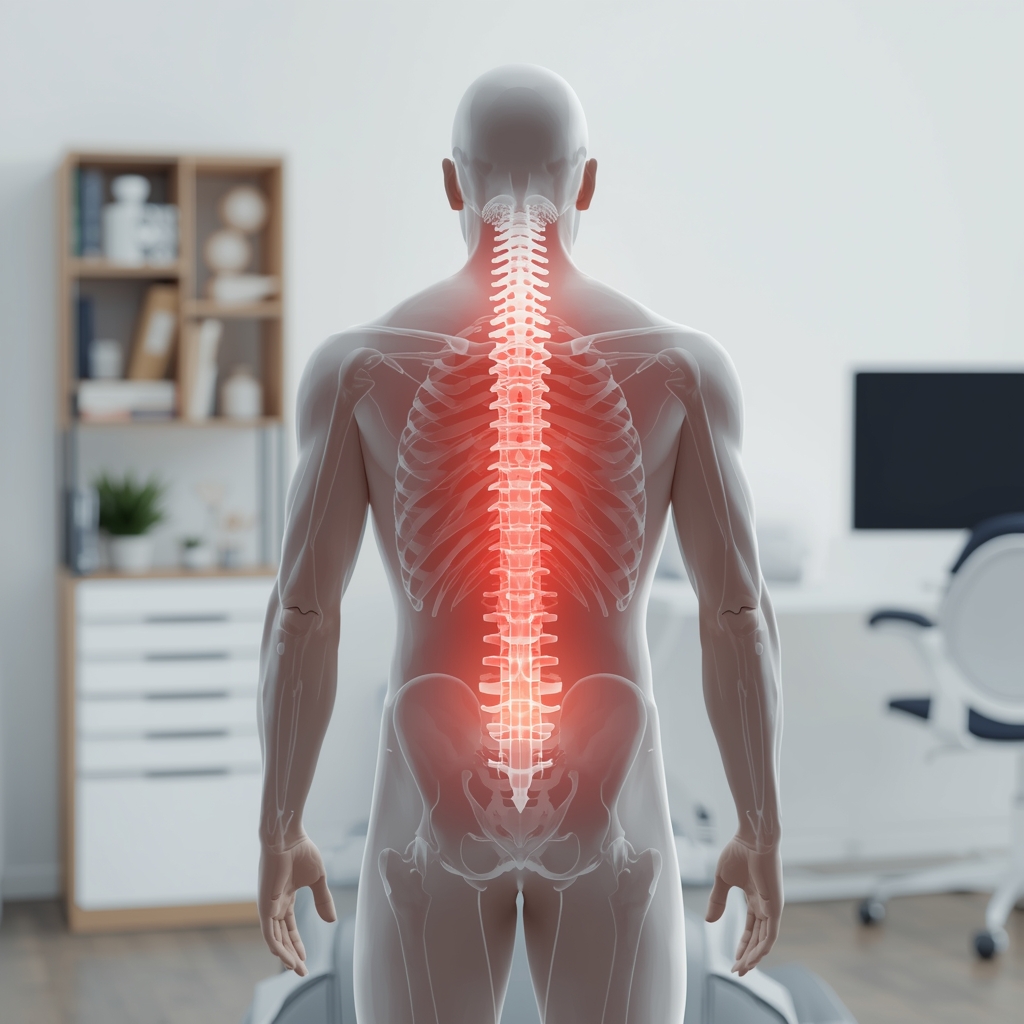
The Vagus Nerve and Digestive Function
The vagus nerve, the longest cranial nerve, plays a pivotal role in the body’s autonomic nervous system, particularly in regulating digestion. It connects the brain to the gastrointestinal tract, facilitating communication that governs processes like stomach acid production, gut motility, and nutrient absorption. When functioning optimally, the vagus nerve promotes a “rest and digest” state, enhancing digestive efficiency. However, disruptions—such as spinal misalignments or nerve compression—can impair its signaling, leading to symptoms like bloating, constipation, or irregular motility. Understanding this connection highlights how spinal health may influence digestive wellness, offering a framework for non-invasive interventions like chiropractic care.
Spinal Misalignment and Vagus Nerve Interference
Spinal misalignments, particularly in the cervical or thoracic regions, may interfere with the vagus nerve’s function by compressing or irritating the nerve pathways. The vagus nerve exits the brainstem and travels through the neck, making it vulnerable to pressure from subluxations (misaligned vertebrae). This interference can disrupt the nerve’s ability to relay signals between the brain and digestive organs, potentially contributing to motility issues and discomfort. Chiropractic adjustments aim to correct these misalignments, restoring proper nerve function and supporting the body’s natural ability to regulate digestion. By addressing spinal health, chiropractors may indirectly enhance vagal activity, offering a holistic approach to digestive wellness.
Chiropractic Adjustments and Nervous System Regulation
Chiropractic adjustments work by restoring balance to the nervous system, which includes the vagus nerve. When spinal misalignments are corrected, they reduce pressure on nerves, allowing for improved communication between the brain and organs. This can enhance parasympathetic activity—the “rest and digest” response—crucial for optimal digestion. For example, a properly functioning vagus nerve stimulates peristalsis (the wave-like muscle contractions that move food through the digestive tract). By promoting this balance, chiropractic care may help alleviate symptoms like bloating and sluggish digestion. While not a direct treatment for digestive disorders, these adjustments support the body’s innate ability to self-regulate, aligning with the principles of holistic health.
Targeting the Vagus Nerve Through Specific Adjustments
Chiropractors may employ targeted adjustments to influence the vagus nerve, focusing on areas where it exits the spine, such as the upper cervical region. Techniques like upper cervical adjustments aim to realign the atlas (C1) and axis (C2) vertebrae, which can reduce pressure on the vagus nerve and improve its function. These adjustments are gentle and precise, designed to restore proper nerve signaling without invasive procedures. By enhancing vagal tone—measured by heart rate variability—such interventions may support digestive motility and reduce gastrointestinal discomfort. While research on this specific mechanism is ongoing, many practitioners observe improvements in patients’ digestive health following spinal realignment, underscoring the potential of chiropractic care as a complementary approach.
Evidence and Research on Vagus Nerve and Chiropractic
While direct studies on chiropractic adjustments and the vagus nerve are limited, broader research highlights the connection between spinal health and autonomic function. Studies on the vagus nerve emphasize its role in modulating inflammation and digestive processes, suggesting that nerve integrity is vital for overall wellness. Chiropractic care, by addressing spinal misalignments, may indirectly support vagal function through improved nervous system communication. Some clinical observations note that patients experience reduced bloating and better digestion after adjustments, though more rigorous studies are needed. As interest in mind-body connections grows, chiropractic practices that align with these principles may gain further validation, offering patients non-pharmacological options to enhance digestive health.
Integrating Chiropractic Care with Other Digestive Health Strategies
Chiropractic adjustments can complement other approaches to digestive wellness, such as dietary changes, stress management, and probiotics. While they do not replace medical treatment for conditions like irritable bowel syndrome (IBS) or gastroparesis, they may enhance overall function by supporting the nervous system’s role in digestion. Patients are encouraged to work with healthcare providers to create a personalized plan that addresses multiple factors. For instance, a chiropractor might collaborate with a nutritionist or gastroenterologist to tackle both structural and biochemical aspects of digestive health. Open communication with qualified professionals ensures safe, effective care. By integrating chiropractic care into a broader strategy, individuals may experience improved motility, reduced bloating, and a greater sense of well-being.












