
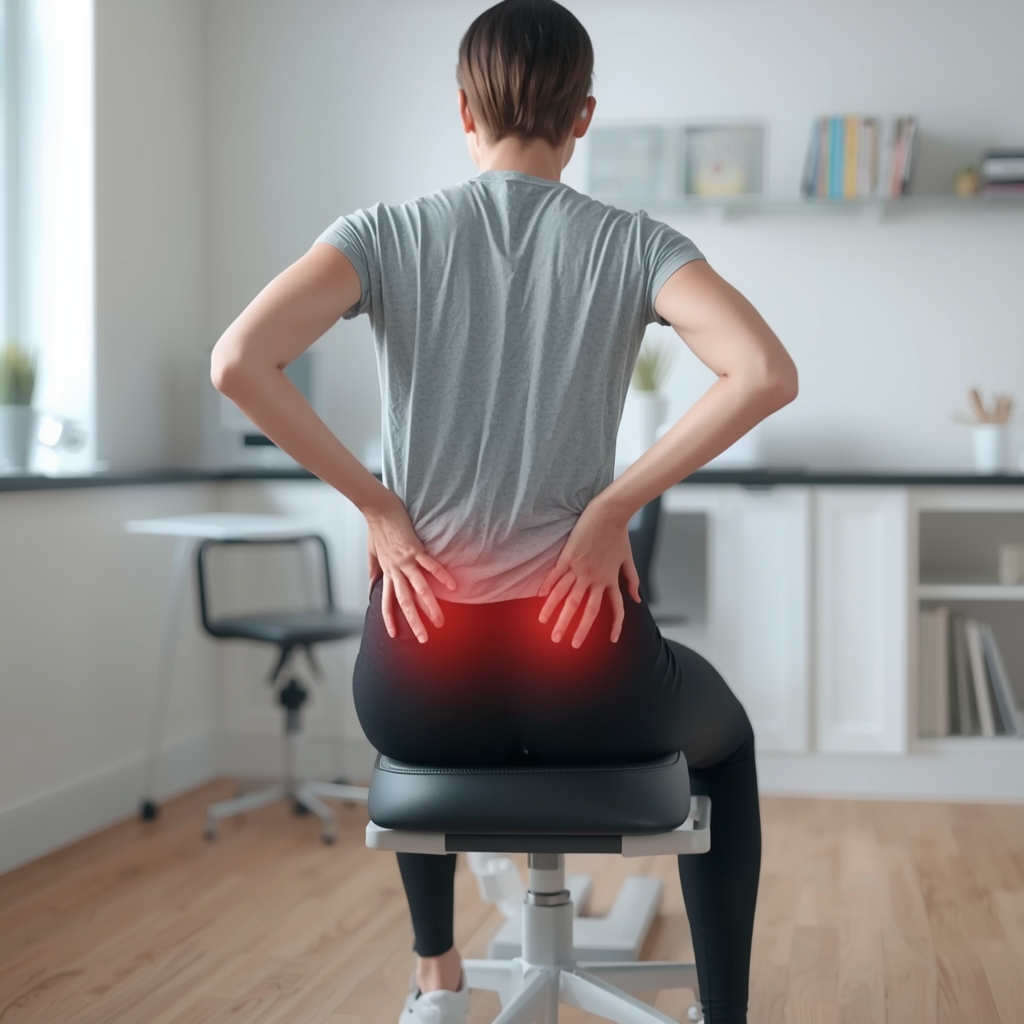
Understanding Hip Osteoarthritis and Its Impact
Hip osteoarthritis is a degenerative joint condition that affects the cartilage in the hip joint, leading to pain, stiffness, and reduced mobility. As the protective cartilage wears down, bones may rub against each other, causing inflammation and discomfort. This condition often develops gradually and is more common in older adults, though it can occur after injury or repetitive strain. The pain may worsen with activity and improve with rest, but it can significantly limit daily tasks like walking or climbing stairs. Understanding the underlying mechanics of hip osteoarthritis is crucial for exploring effective management strategies, including chiropractic care and targeted exercises.
Role of Chiropractic Adjustments in Alleviating Hip Pain
Chiropractic adjustments aim to restore proper alignment and function to the spine and joints, which can indirectly ease hip pain caused by osteoarthritis. By addressing misalignments in the pelvis or lower back, chiropractors may reduce pressure on the hip joint and surrounding nerves. This can help alleviate pain and improve mobility. Adjustments also promote better circulation and reduce inflammation, supporting the body’s natural healing processes. While not a cure, many patients report reduced discomfort and increased range of motion after regular sessions. It’s important to note that adjustments should be tailored to individual needs, and a qualified chiropractor will assess the best approach for each case.
Strengthening Exercises to Support Hip Health
Strengthening the muscles around the hip joint can provide stability and reduce strain on the affected area. Exercises targeting the glutes, hamstrings, and core muscles are often recommended to support the hip’s structure. Low-impact activities like swimming, cycling, or resistance training with bands can help build strength without exacerbating pain. Gentle stretching routines may also improve flexibility and ease stiffness. While specific exercises should be discussed with a healthcare provider, many find that consistent, guided movement helps manage symptoms. Strengthening exercises complement chiropractic care by addressing the musculoskeletal support system, potentially reducing the frequency and intensity of hip pain episodes.
Combining Adjustments with Exercise for Optimal Results
A holistic approach that integrates chiropractic adjustments with targeted strengthening exercises may offer the most effective relief for hip osteoarthritis. Adjustments can correct structural imbalances, while exercise builds the muscular support needed to maintain joint health. This dual strategy may enhance mobility, reduce pain, and slow the progression of the condition. Patients often experience better outcomes when both methods are used in tandem, as they address different aspects of the issue—structural alignment and muscular strength. However, the specific combination should be personalized by a chiropractor or physical therapist to ensure safety and effectiveness. Regular follow-ups and adjustments to the regimen are key to long-term success.
Safety Considerations and Professional Guidance
While chiropractic care and exercise can be beneficial, it’s essential to seek guidance from qualified professionals to avoid complications. A chiropractor will evaluate the patient’s condition and develop a safe, individualized plan. Certain adjustments or exercises may not be suitable for all individuals, particularly those with advanced osteoarthritis or other health concerns. Open communication with healthcare providers ensures that treatments align with the patient’s overall health goals. It’s also important to monitor symptoms and report any changes or discomfort. By working with experts, patients can maximize the benefits of these approaches while minimizing risks, leading to more sustainable pain management outcomes.
Conclusion: A Holistic Approach to Hip Pain Management
Managing hip osteoarthritis requires a comprehensive strategy that addresses both structural and muscular factors. Chiropractic adjustments can help realign the body and reduce pain, while strengthening exercises build the support needed for long-term joint health. Together, these methods may offer significant relief and improved quality of life. However, they should always be part of a broader care plan discussed with a healthcare provider. By combining professional expertise with consistent self-care, individuals can take proactive steps toward managing their symptoms and maintaining mobility. Exploring these options under the guidance of a qualified chiropractor is a valuable step in addressing hip pain effectively.












