Introduction to the RACER-Knee Trial
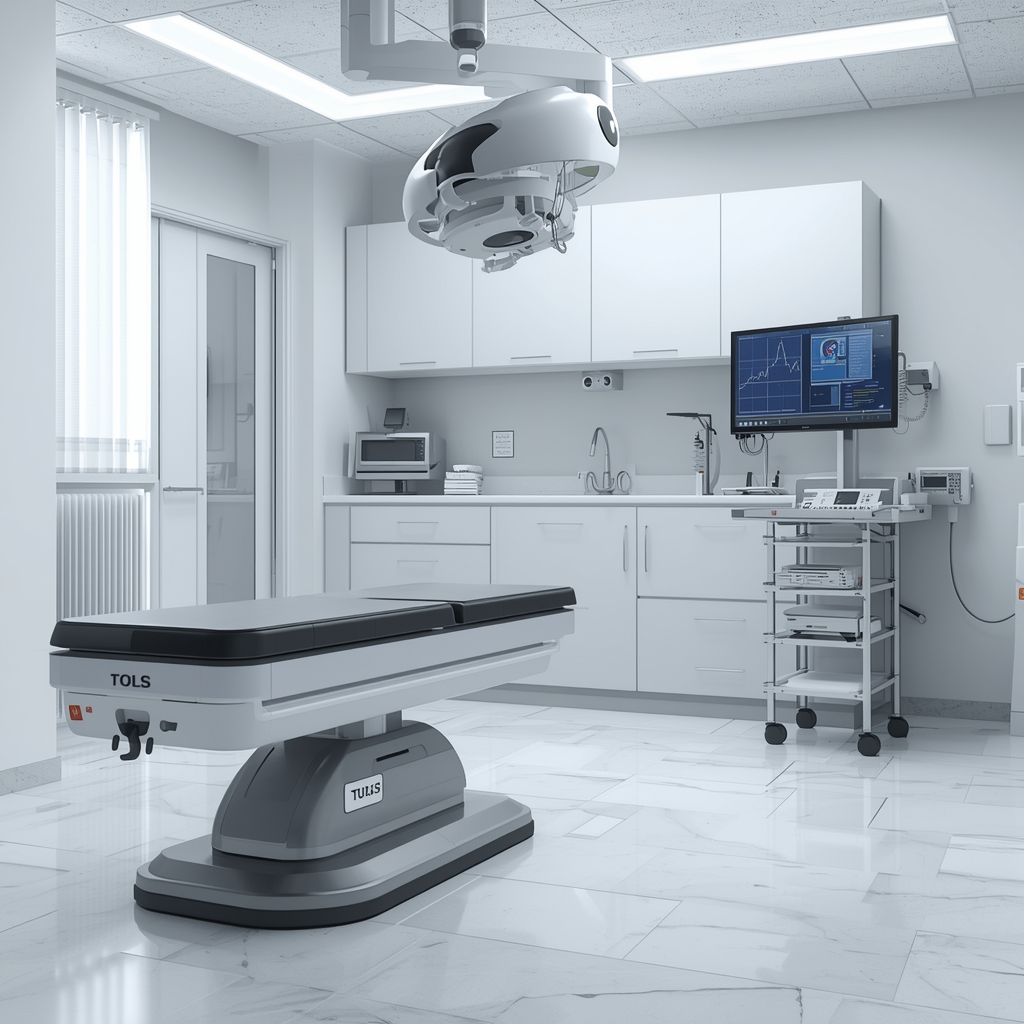
The RACER-Knee trial, coordinated by the University of Warwick and University Hospitals Coventry and Warwickshire (UHCW) NHS Trust, is the world's largest clinical study of robotic knee replacement surgery. The trial aimed to compare the outcomes of patients who underwent robot-assisted knee replacement with those who received conventional surgery. The study was published in The Lancet, a renowned general medical journal, and was funded by the National Institute for Health and Care Research (NIHR) in partnership with Stryker, the manufacturer of the robotic equipment evaluated in the study. The Warwick Clinical Trials Unit, UHCW NHS Trust, and the Royal Orthopaedic Hospital in Birmingham led the research, which represents the world's largest double-blinded, randomized controlled trial comparing traditional total knee replacement with procedures performed using the Stryker Mako robotic system. Study Design and Participants
The RACER-Knee trial was a UK-wide study that involved patients undergoing knee replacement surgery. The trial used a double-blinded, randomized controlled design, where patients were randomly assigned to either receive conventional surgery or robot-assisted surgery using the Stryker Mako robotic system. The study included a large number of participants, making it the world's largest trial of its kind. The researchers collected data on the patients' outcomes, including pain levels, mobility, and recovery, at 12 months after surgery. The trial was jointly led by two chief investigators in the UK, Professor Andrew Metcalfe and Professor Edward Davis, who are both consultant orthopedic surgeons. Results of the RACER-Knee Trial
The results of the RACER-Knee trial showed that patients who underwent robot-assisted knee replacement experienced similar levels of pain, mobility, and recovery to those who received conventional surgery. At 12 months after surgery, patients in both groups reported comparable recovery, mobility, and pain levels. Although the robotic system enabled surgeons to operate with greater precision, patients did not experience measurable improvements in their overall outcomes during the first year. The researchers also found no increased risk of serious adverse events associated with robotic assistance, suggesting that it was as safe as conventional surgery. The use of robotic technology in knee replacement surgery is becoming increasingly common, with 6% of procedures in the UK, 16% in the US, and 42% in Australia using this technology. Implications of the Study's Findings
The findings of the RACER-Knee trial provide important evidence about the use of robotics in healthcare and highlight where future technological developments and research could make a difference. According to Professor Andrew Metcalfe, the trial is an important step in the process of innovation and will stimulate more high-quality studies. He also noted that technology such as this could really help the care given to patients, but for robotic-assisted knee replacements, there is still work to do before benefits such as less pain or better movement are seen. Professor Edward Davis added that the trial demonstrates robotic-arm-assistance allows for higher precision, and in theory, the system should allow surgeons to customize the procedure according to a patient's anatomy. However, he noted that more understanding of the ideal position for a knee replacement and personalization for each patient is needed to truly take advantage of the advanced precision of robotic systems. Conclusion and Future Directions
In conclusion, the RACER-Knee trial provides valuable insights into the use of robotic technology in knee replacement surgery. While the study found that robotic-assisted surgery did not result in better outcomes for patients, it also showed that the technology is safe and can be used with precision. The researchers emphasize that more work is needed to understand how to use robotic technology to improve patient outcomes, such as reducing pain and improving mobility. The study's findings will likely stimulate further research and development in this area, with the potential to improve the care and treatment of patients undergoing knee replacement surgery. As the use of robotic technology in healthcare continues to grow, studies like the RACER-Knee trial will be essential in evaluating its effectiveness and identifying areas for improvement.
Source: ScienceDaily