
Introduction to Chronic Low Back Pain and Treatment Challenges
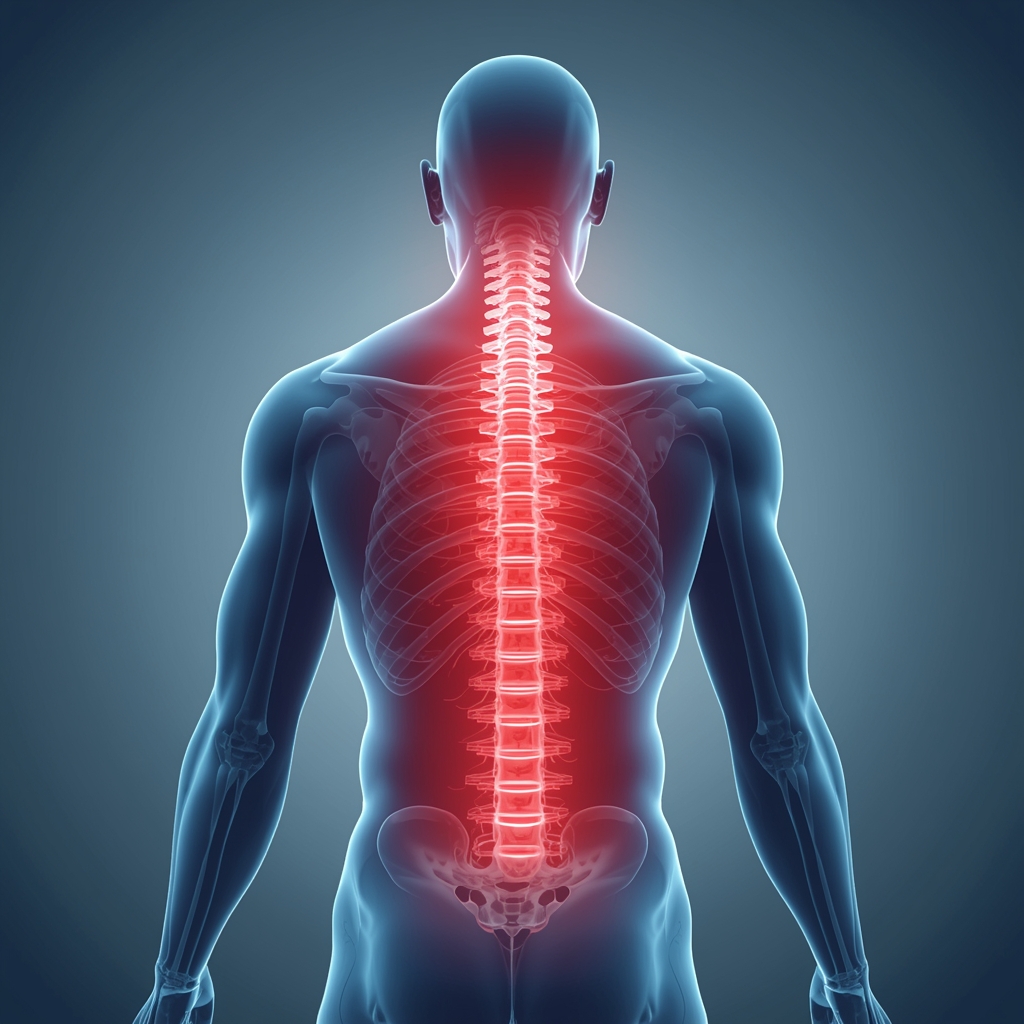
Low back pain (LBP) remains one of the most prevalent health conditions globally, affecting individuals across all age groups and imposing substantial burdens on healthcare systems. Chronic LBP, in particular, is a persistent issue that disrupts daily activities, impairs work performance, and compromises sleep quality. Despite its widespread impact, identifying a definitive structural cause for chronic LBP proves difficult in many cases, complicating the development of effective long-term treatments. This diagnostic challenge underscores the need for innovative approaches to address the underlying mechanisms of pain, especially in scenarios where traditional imaging and clinical evaluations fail to reveal clear abnormalities. The lack of a straightforward causal link between structural changes and pain symptoms has led researchers to explore alternative pathways, such as the role of nerve growth and cellular responses in degenerating spinal tissues. This context sets the stage for recent studies investigating novel therapeutic strategies, including hormone-based interventions, to manage chronic LBP more effectively.
Overview of the Study on Parathyroid Hormone and Spinal Tissue Repair
A recent study published in *Bone Research* offers new insights into potential treatments for chronic low back pain by examining the effects of parathyroid hormone (PTH) on spinal tissue. Led by Dr. Janet L. Crane of the Center for Musculoskeletal Research at Johns Hopkins University School of Medicine, the research focuses on how PTH may influence nerve growth and pain signaling in degenerating spines. The study highlights a critical observation: during spinal degeneration, pain-sensing nerves abnormally infiltrate regions where they typically do not exist. Dr. Crane explains that PTH can reverse this process by activating natural signals that repel these nerves, potentially reducing pain. This discovery aligns with earlier findings suggesting that synthetic PTH, already used to treat osteoporosis, might also alleviate bone-related pain. However, the biological mechanisms behind this effect remained unclear until now. The study aims to bridge this gap by investigating PTH’s role in modulating nerve growth and spinal structure, offering a potential pathway for addressing chronic LBP through targeted hormonal interventions.
Understanding Parathyroid Hormone and Its Role in Bone Health
Parathyroid hormone (PTH) is a naturally occurring hormone produced by the parathyroid glands, playing a vital role in regulating calcium levels and maintaining bone health. It stimulates bone remodeling by promoting the activity of osteoblasts, which form new bone tissue, and osteoclasts, which break down existing bone. Synthetic PTH, such as teriparatide, is currently used to treat osteoporosis by enhancing bone density and reducing fracture risk. While its efficacy in bone health is well-established, its potential to address pain associated with skeletal conditions has been less understood. Previous research hinted that PTH therapy might reduce pain in patients with bone-related disorders, but the mechanisms behind this effect remained elusive. The recent study by Dr. Crane and her team seeks to clarify these mechanisms by exploring how PTH influences nerve growth and spinal degeneration. By examining the interplay between bone cells and pain signaling pathways, the research provides a foundation for understanding how hormonal treatments could target both structural and sensory aspects of chronic low back pain.
Methodology and Key Findings of the Spinal Degeneration Study
To investigate the effects of PTH on spinal degeneration, the research team utilized three distinct mouse models that replicate common causes of spinal deterioration: natural aging, surgically induced mechanical instability, and genetic susceptibility. These models enabled scientists to study how degeneration affects both bone structure and nerve growth under controlled conditions. Mice in the treatment group received daily injections of PTH for periods ranging from two weeks to two months, while control animals were administered inactive solutions. High-resolution imaging techniques and behavioral tests were employed to assess changes in spinal tissue and pain responses. After one to two months of treatment, mice exposed to PTH exhibited significant improvements in vertebral endplates, the thin layers separating spinal discs from vertebrae. These structures became denser and more stable, suggesting enhanced structural integrity. Concurrently, treated mice demonstrated reduced sensitivity to pain, tolerating pressure and heat more effectively than untreated animals. These findings indicate that PTH may not only support bone health but also modulate pain signaling in degenerating spines, offering a dual therapeutic benefit.
Implications for Spine Health and Future Research Directions
The study’s findings represent a significant step forward in understanding how hormonal interventions might address chronic low back pain by targeting both structural and sensory components of spinal degeneration. By demonstrating that PTH can reverse abnormal nerve growth and improve vertebral endplate stability, the research opens new avenues for developing treatments that go beyond conventional pain management strategies. While the results are promising, further studies are needed to validate these effects in human populations and to determine optimal dosing and treatment durations. Additionally, the study highlights the complex relationship between bone cells and pain signaling, suggesting that future therapies could focus on modulating these interactions to achieve more effective outcomes. For chiropractic care, which often addresses musculoskeletal imbalances and nerve-related discomfort, these findings may complement existing approaches by providing a biological rationale for integrating hormonal or pharmacological interventions. As research in this area progresses, it could lead to more personalized and multifaceted strategies for managing chronic low back pain, ultimately improving patient quality of life.