
Background and Study Context
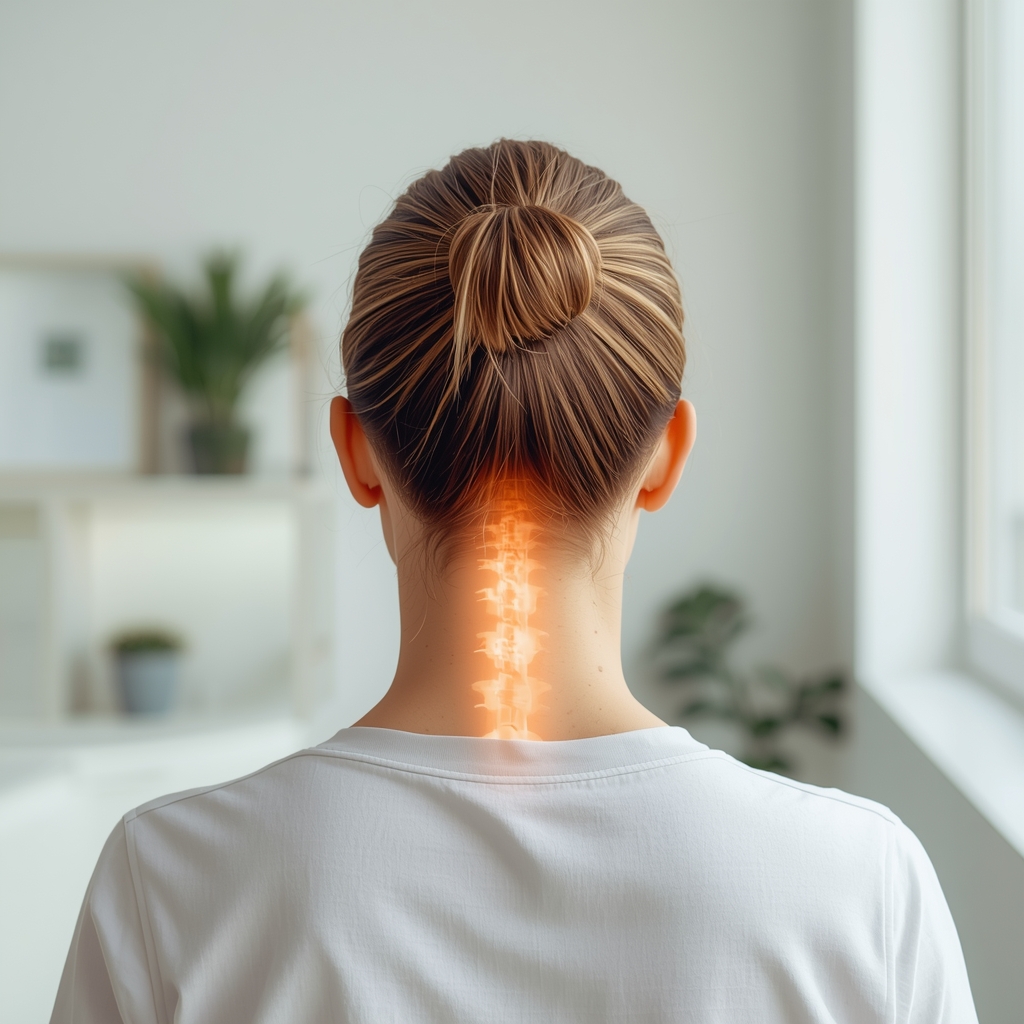
The study addresses a growing concern in sports medicine regarding the long-term effects of sports-related concussions (SRC) on female athletes. While concussions are typically associated with brain trauma, emerging research suggests that residual impairments in the cervical spine—particularly in the neck and head—may contribute to increased injury risk even after symptoms subside. This study, published in JSAMS plus, investigates whether a history of SRC is linked to measurable cervical spine abnormalities in female athletes, emphasizing the need for comprehensive post-concussion evaluations beyond symptom-based screening.
The research focuses on elite and pre-elite female athletes from diverse sports, including water polo, soccer, diving, rugby-7s, and cycling/BMX. These athletes were selected to represent a broad range of physical demands and injury risks. The study’s cross-sectional design aimed to identify correlations between SRC history and cervical spine function, with a particular emphasis on range of motion, joint position error (JPE), and manual examination findings. The authors note that while previous studies have explored musculoskeletal injury risks after concussions, few have specifically examined cervical spine impairments in female athletes, highlighting a critical gap in the literature.
Study Design and Participants
The study involved 156 female athletes, with 66 reporting a history of SRC within the previous 12 months and 90 without such a history. Participants were recruited from elite and pre-elite levels across five sports, ensuring a representative sample of athletes with varying physical and biomechanical demands. Data collection included self-reported concussion histories, questionnaires, and clinical assessments of the cervical spine. The assessments measured range of motion, manual examination findings, JPE, and maximal isometric neck strength, providing a multidimensional evaluation of cervical function.
Univariable statistical analyses were used to compare outcomes between the two groups. The study’s design allowed for the identification of potential associations between SRC history and cervical spine impairments, though it did not establish causality. The authors emphasize that the cross-sectional nature of the study limits conclusions about the temporal relationship between concussions and cervical spine changes. Additionally, the sample size and specific sport selection may affect the generalizability of findings to broader athletic populations.
Key Findings and Clinical Observations
The study found that athletes with a history of SRC were more likely to exhibit cervical spine impairments compared to those without such a history. Specifically, these athletes showed reduced cervical range of motion, positive findings on manual examinations, and increased joint position error (JPE), even when they did not report current neck pain. A higher prevalence of headaches or migraines was also observed in the SRC group. However, no significant deficits in maximal isometric neck strength were detected, suggesting that strength metrics may not fully capture the functional impairments associated with SRC.
The results indicate that cervical spine abnormalities may persist after concussion resolution, potentially affecting proprioception, head-neck control, and injury susceptibility. The authors note that these impairments could have clinical relevance, as they may influence an athlete’s awareness and movement patterns. Notably, the study highlights that some athletes with SRC history did not report neck pain, underscoring the importance of objective assessments rather than relying solely on self-reported symptoms. These findings align with broader discussions in sports medicine about the need for comprehensive post-concussion evaluations to identify hidden impairments.
Clinical Implications and Recommendations
The study’s findings suggest that targeted cervical spine assessments should be considered for female athletes with a history of SRC, even in the absence of current neck pain. Traditional concussion evaluations often focus on neurological symptoms, but this research highlights the potential value of incorporating physical examinations of the cervical spine to detect residual impairments. Such assessments could include range of motion tests, manual examination findings, and JPE measurements, which may reveal functional deficits not captured by symptom-based screening alone.
However, the authors caution that these results do not establish a causal relationship between SRC and cervical spine impairments. Further research is needed to determine whether identifying and managing these impairments could reduce the risk of subsequent injuries. The study also raises questions about the long-term implications of these findings, particularly for athletes returning to high-impact sports. Clinicians and sports medicine professionals are encouraged to consider the cervical spine as part of post-concussion evaluations, especially for female athletes, given the observed associations in this population.
Limitations and Future Research Directions
The study has several limitations that should be considered when interpreting its findings. First, its cross-sectional design prevents the establishment of cause-and-effect relationships between SRC and cervical spine impairments. Longitudinal studies are needed to track changes in cervical function over time and determine whether these impairments are persistent or transient. Additionally, the study’s sample size and sport-specific selection may limit the generalizability of results to other athletic populations or genders.
The authors also note that the study did not investigate the clinical significance of the observed impairments, such as their impact on injury risk or athletic performance. Future interventional studies could explore whether addressing these impairments through targeted therapies—such as physical therapy or proprioceptive training—reduces subsequent injury rates. Furthermore, research comparing female and male athletes could provide insights into gender-specific differences in post-concussion recovery and cervical spine function. Until such studies are conducted, the findings serve as a preliminary call for expanded post-concussion evaluations in female athletes.