
The Role of Spinal Alignment in Golf Swing Mechanics
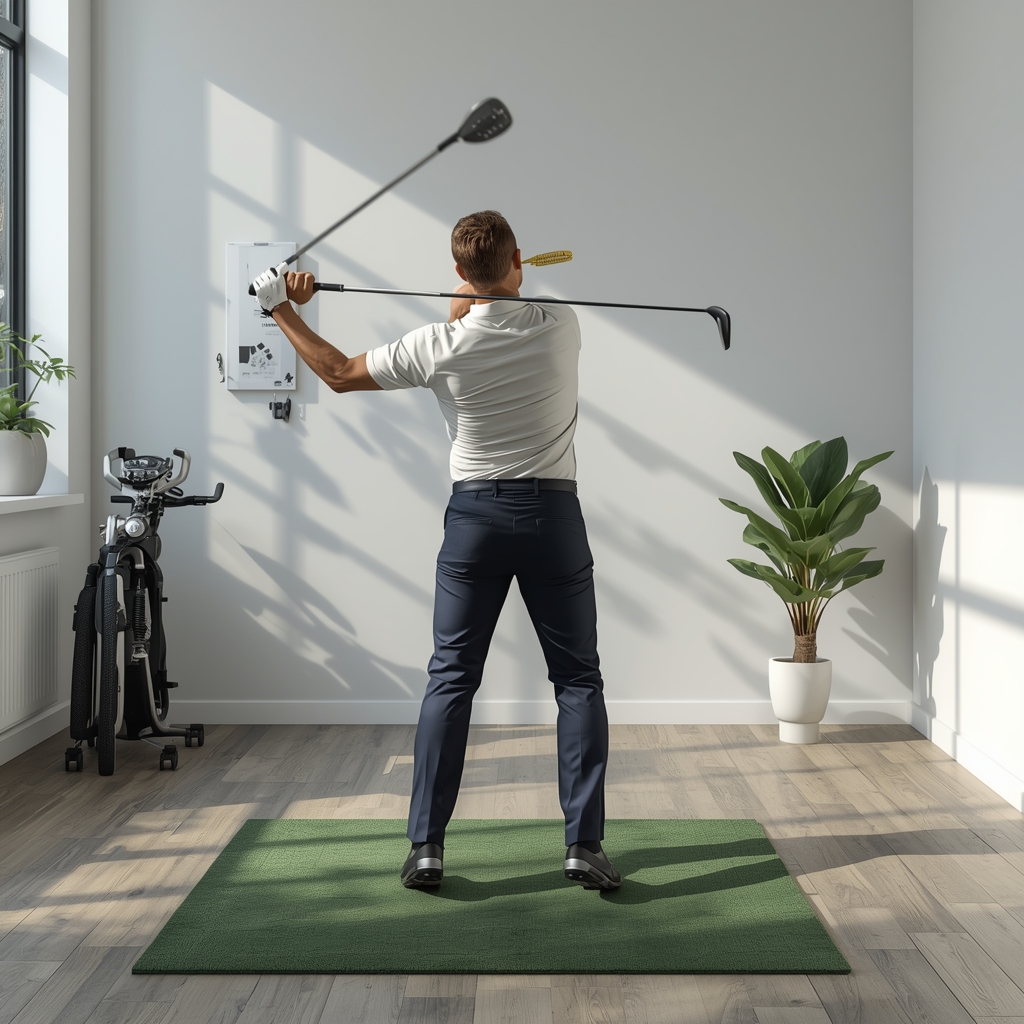
Spinal alignment plays a critical role in the biomechanics of a golf swing. A properly aligned spine allows for efficient energy transfer from the lower body to the upper body, enhancing power and accuracy. Misalignments, or subluxations, can restrict movement patterns, leading to compensatory motions that reduce swing efficiency. For amateur golfers, even minor spinal imbalances may affect posture, rotation, and balance—key components of a consistent swing. Chiropractic adjustments aim to restore optimal spinal function, ensuring the body moves as a unified system. This foundational support helps golfers maintain proper form, especially during the dynamic, high-speed motions of swinging. By addressing structural imbalances, chiropractors can contribute to a golfer’s ability to generate force and control their swing with greater precision.
How Spinal Adjustments Enhance Range of Motion
Spinal adjustments are designed to improve joint mobility and reduce nerve interference, which can directly impact a golfer’s range of motion. The rotational nature of a golf swing requires significant flexibility in the thoracic spine, hips, and shoulders. When spinal joints are restricted due to tension or misalignment, these movements become less efficient, potentially leading to strain on surrounding muscles and ligaments. Regular chiropractic care can help restore natural joint function, allowing for smoother, more controlled swings. This improved mobility also supports better weight transfer and follow-through, which are essential for maximizing distance and accuracy. While adjustments alone won’t transform a golfer’s skill, they can create the physical foundation needed for effective training and technique development.
Flexibility Routines to Support Rotational Movement
Flexibility is a cornerstone of golf performance, particularly for the rotational movements involved in swinging. Dynamic stretching and mobility exercises targeting the core, hips, and thoracic spine can enhance a golfer’s ability to rotate efficiently. Routines that focus on the obliques, latissimus dorsi, and hip flexors help maintain the body’s natural range of motion, reducing the risk of injury during play. Chiropractors often recommend personalized flexibility programs to address individual limitations, ensuring that each golfer can achieve optimal movement patterns. These routines complement spinal adjustments by reinforcing the body’s ability to move freely and with control. For amateur players, consistent flexibility work can lead to more fluid swings, better balance, and improved overall performance on the course.
Core Stability and Its Impact on Swing Consistency
A strong, stable core is essential for maintaining balance and control throughout a golf swing. The muscles of the abdomen, lower back, and pelvis act as a foundation, transferring power from the legs to the arms. Weakness or instability in these areas can lead to inconsistent swings, reduced accuracy, and increased injury risk. Chiropractic care often includes recommendations for core-strengthening exercises tailored to a golfer’s specific needs. These may involve isometric holds, resistance training, or functional movements that mimic the demands of swinging. By improving core stability, golfers can achieve more consistent contact with the ball and better control over their shots. Chiropractors may also address spinal alignment issues that contribute to core weakness, ensuring the body works as a cohesive unit during play.
Injury Prevention Through Biomechanical Optimization
Amateur golfers are susceptible to injuries caused by repetitive motions, poor posture, or overuse. Common issues include lower back pain, shoulder strain, and wrist discomfort, often stemming from biomechanical inefficiencies. Chiropractic care focuses on identifying and correcting these imbalances, reducing the likelihood of injury. By ensuring proper spinal alignment and joint function, chiropractors help golfers maintain healthy movement patterns that minimize stress on the body. This proactive approach can prevent chronic conditions and extend a golfer’s ability to play without discomfort. Additionally, chiropractors may advise on ergonomics, swing technique, and recovery strategies to further protect the body. For those seeking to enjoy golf long-term, prioritizing biomechanical health is a vital step.
Working with a Chiropractor for Personalized Golf Performance
Every golfer’s body is unique, and a one-size-fits-all approach to performance enhancement rarely works. Chiropractors specializing in sports and golf can create tailored plans that address individual needs, combining adjustments, flexibility routines, and strength training. These professionals assess a golfer’s biomechanics, identifying areas of restriction or weakness that may hinder performance. By integrating chiropractic care with other training methods, golfers can achieve better results and reduce the risk of injury. It’s important to note that while chiropractic care supports physical function, it should be part of a broader strategy that includes proper technique, conditioning, and rest. Golfers interested in optimizing their game should consult a qualified chiropractor to explore how these services can complement their existing routines.












