
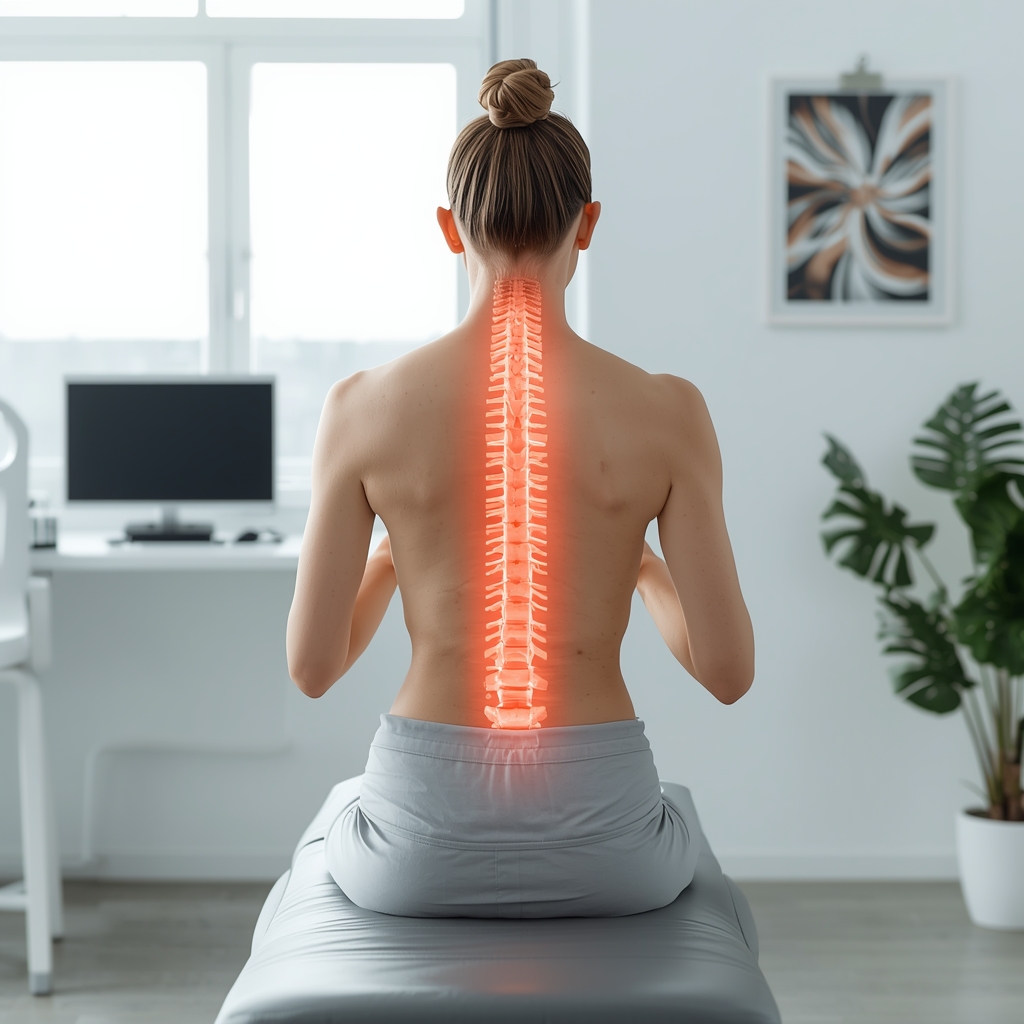
Understanding Degenerative Disc Disease and Posture
Degenerative disc disease (DDD) is a condition where spinal discs lose flexibility, elasticity, and shock-absorbing capabilities over time, often leading to chronic pain and reduced mobility. While aging is a primary factor, poor posture can accelerate disc wear by creating uneven pressure on the spine. Maintaining proper alignment helps distribute forces evenly, reducing stress on discs and surrounding structures. Posture correction is not a cure but a critical component of managing DDD, as it addresses mechanical contributors to discomfort. By prioritizing spinal alignment, individuals can potentially slow disease progression and improve quality of life.
How Poor Posture Exacerbates Disc Degeneration
Incorrect posture, such as slouching or forward head positioning, places excessive strain on spinal discs, particularly in the cervical and lumbar regions. This misalignment can compress discs, narrow spinal spaces, and irritate nerves, worsening DDD symptoms. Over time, these postural imbalances may lead to muscle weakness, joint stiffness, and altered movement patterns. For example, prolonged sitting with a rounded back increases disc pressure, while uneven weight distribution during standing can cause spinal curvature changes. Addressing these issues through posture correction may alleviate some mechanical stress, offering relief without invasive interventions.
The Role of Posture Correction in Symptom Management
Posture correction focuses on realigning the spine to reduce abnormal forces on discs and surrounding tissues. Techniques like ergonomic adjustments, core strengthening, and awareness training help individuals maintain neutral spinal positions during daily activities. Chiropractors often incorporate posture assessment into treatment plans, identifying compensatory patterns that contribute to pain. While not a standalone solution, posture correction can complement other therapies by minimizing disc compression and improving overall biomechanics. Patients may experience reduced pain, better mobility, and fewer flare-ups when consistent postural habits are adopted, making it a valuable long-term strategy.
Non-Invasive Strategies for Posture Improvement
Non-invasive approaches to posture correction include ergonomic workplace setups, targeted exercises, and mindfulness practices. Adjusting chair height, using supportive backrests, and taking regular movement breaks can reduce spinal strain during sedentary tasks. Strengthening core and postural muscles through yoga, Pilates, or resistance training supports proper alignment. Additionally, tools like posture braces or biofeedback devices may help reinforce correct positioning. Chiropractors often guide patients in developing personalized routines, emphasizing gradual habit changes over time. These strategies aim to retrain the body’s alignment without medication or surgery, offering a sustainable way to manage DDD-related discomfort.
Long-Term Benefits of Maintaining Correct Posture
Consistently practicing good posture can yield lasting benefits for individuals with DDD by reducing mechanical stress on the spine. Over time, proper alignment may slow disc degeneration, decrease inflammation, and enhance overall spinal function. Improved posture also promotes better breathing, digestion, and circulation, contributing to holistic well-being. Patients who prioritize postural health often report fewer pain episodes and greater ease in daily activities. However, these benefits require ongoing commitment, as poor habits can quickly reverse progress. Regular check-ins with a chiropractor ensure adjustments remain effective, fostering long-term resilience against DDD complications.
Conclusion and Recommendations
Posture correction plays a vital role in the long-term management of degenerative disc disease by addressing mechanical factors that worsen symptoms. While not a replacement for medical treatment, it offers a non-invasive way to reduce disc pressure and improve spinal health. Individuals should work with chiropractors to develop personalized posture strategies, combining ergonomic adjustments, exercise, and awareness techniques. Consistency is key, as gradual habit changes yield sustainable results. By prioritizing posture, patients can enhance their quality of life and potentially delay disease progression, making it an essential component of a comprehensive DDD management plan.












