
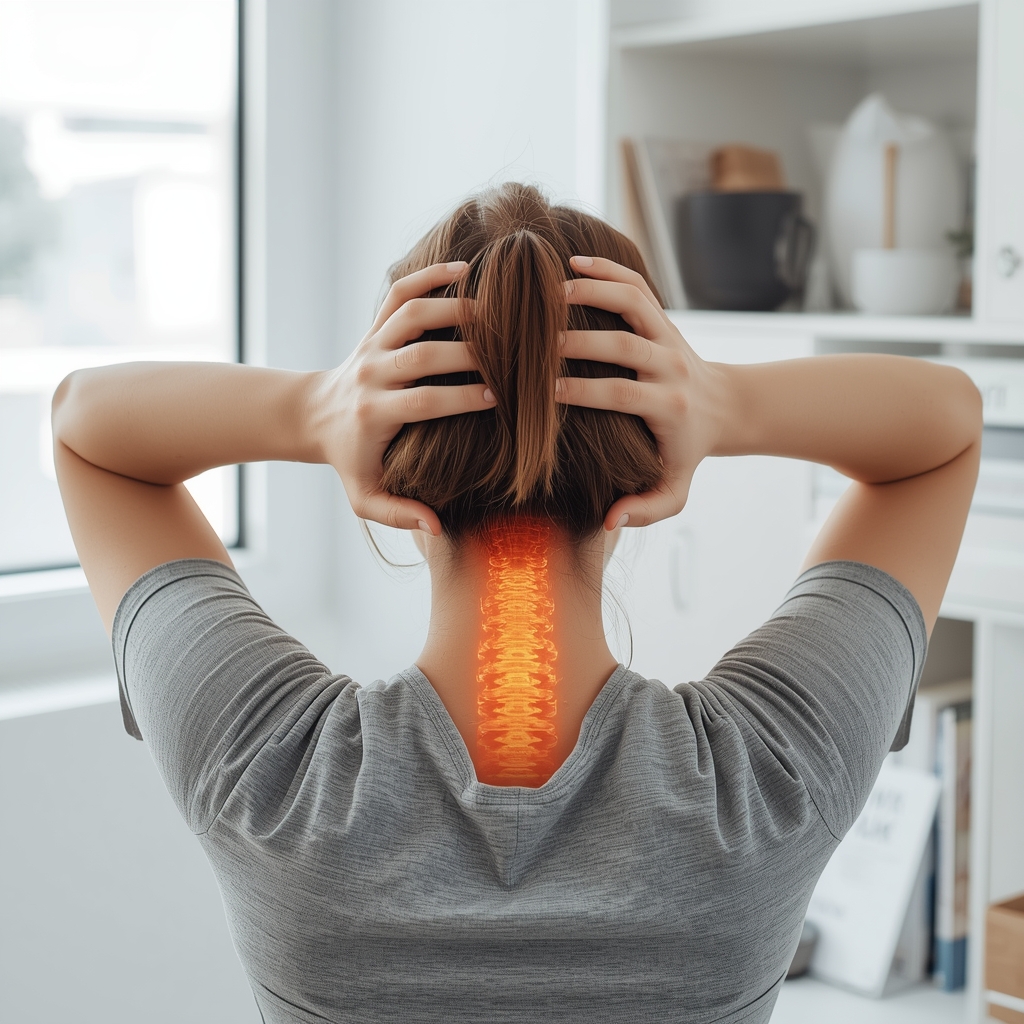
Understanding Tension Headaches and Stress
Tension headaches are the most common type of headache, often described as a dull, aching pressure around the forehead, temples, or back of the head and neck. They are frequently linked to stress, which can cause muscle tension in the head and neck regions. When stress triggers the body’s fight-or-flight response, muscles may tighten, reducing blood flow and leading to discomfort. Prolonged stress can also affect posture, further straining the cervical spine. While occasional tension headaches are normal, chronic cases may require targeted interventions. Chiropractic care, particularly cervical spine manipulation, is sometimes explored as a non-invasive approach to alleviate these symptoms by addressing underlying musculoskeletal factors.
The Link Between Cervical Spine and Tension Headaches
The cervical spine, or neck, plays a critical role in tension headaches. Misalignments or restricted movement in the vertebrae can irritate nerves and muscles, contributing to pain that radiates to the head. Stress-induced muscle tightness in the neck and shoulders may exacerbate this issue, creating a cycle of discomfort. Chiropractors often evaluate the cervical spine for subluxations—minor misalignments that could interfere with nerve function. By restoring proper alignment, adjustments may reduce pressure on nerves and muscles, potentially easing headache symptoms. However, it’s important to note that tension headaches are multifactorial, and cervical spine manipulation is one of several possible strategies to consider.
How Cervical Spine Manipulation Works
Cervical spine manipulation involves a chiropractor applying controlled, sudden force to specific joints in the neck to improve mobility and correct misalignments. This technique aims to relieve pressure on nerves, reduce muscle tension, and enhance overall spinal function. For tension headaches, the goal is to address any mechanical restrictions in the cervical spine that might contribute to pain. By restoring proper movement, adjustments may help break the cycle of stress-induced muscle tightness. While the exact mechanisms are not fully understood, many patients report reduced headache frequency and intensity after treatment. However, results can vary, and this approach should be discussed with a qualified provider to ensure it aligns with individual health needs.
Evidence and Research on Cervical Manipulation for Headaches
Research on cervical spine manipulation for tension headaches is ongoing, with some studies suggesting it may provide relief for certain individuals. While large-scale clinical trials are limited, many patients report improvements in symptoms following chiropractic care. The American Chiropractic Association acknowledges that spinal manipulation can be a useful tool for managing headache pain, though it emphasizes the importance of a personalized approach. It’s crucial to recognize that results vary, and cervical manipulation is not a guaranteed solution. Patients should consult with a licensed chiropractor to determine if this treatment is appropriate for their specific condition, especially when other factors like posture or stress management may also play a role.
Safety and Considerations
Cervical spine manipulation is generally considered safe when performed by a trained and licensed chiropractor. However, it is not without risks, particularly for individuals with certain medical conditions such as osteoporosis or spinal cord compression. Before undergoing treatment, patients should disclose their full medical history to their provider. While many find relief, others may experience temporary side effects like mild soreness or fatigue. It’s also important to approach cervical manipulation as part of a broader care plan, combining it with other strategies like stress reduction techniques or physical therapy. Always seek care from a qualified professional to ensure safety and effectiveness.
Integrating Chiropractic Care with Other Stress-Relief Strategies
Chiropractic care can complement other approaches to managing stress and tension headaches. Techniques such as mindfulness, regular exercise, and ergonomic adjustments may enhance the benefits of cervical spine manipulation. For example, improving posture through ergonomic workspaces can reduce neck strain, while relaxation practices like deep breathing or yoga may lower overall stress levels. Chiropractors often recommend lifestyle modifications alongside adjustments to address the root causes of tension headaches. By combining these strategies, patients may achieve more comprehensive relief. However, it’s essential to work with a healthcare provider to create a tailored plan that aligns with individual needs and goals.













