
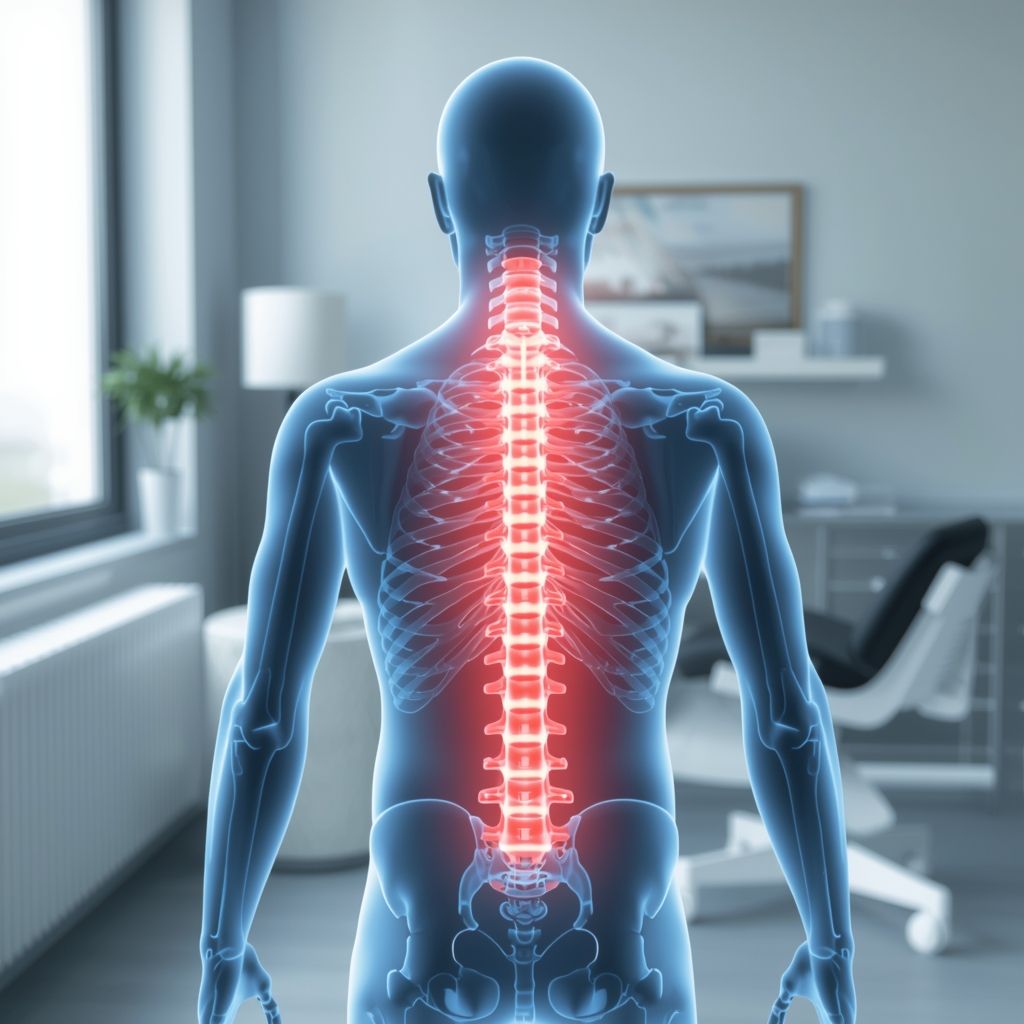
Understanding the Neurological Basis of Spinal Adjustments
Spinal adjustments are believed to influence the nervous system by altering neural pathways and modulating pain signals. The spine houses the spinal cord, a critical conduit for communication between the body and brain. When misalignments occur, they may disrupt this communication, potentially contributing to pain or dysfunction. Adjustments aim to restore proper alignment, which could help normalize nerve function and reduce pain perception. While the exact mechanisms remain an area of research, theories suggest that adjustments may impact the central nervous system, influencing how the body processes and responds to pain.
Acute Pain and Immediate Neurological Responses
In acute pain scenarios, such as from an injury, spinal adjustments may help by reducing mechanical stress on nerves and promoting blood flow to the affected area. This can decrease inflammation and enhance the body’s natural healing processes. Neurologically, adjustments might stimulate mechanoreceptors in the joints and muscles, sending signals to the brain that can override or modulate pain signals. This interaction may temporarily reduce pain intensity and improve mobility. However, these effects are often short-term and depend on the severity of the injury. For acute conditions, adjustments are typically part of a broader treatment plan that includes rest, ice, and other supportive therapies.
Chronic Pain and Long-Term Neurological Adaptations
Chronic pain involves complex changes in the nervous system, including central sensitization, where the brain and spinal cord become hyper-responsive to pain signals. Spinal adjustments may address these changes by influencing neural plasticity—the brain’s ability to rewire itself. By restoring proper spinal alignment, adjustments could help reduce abnormal nerve activity and promote more balanced pain processing. Over time, this might lead to decreased pain sensitivity and improved function. However, chronic conditions often require ongoing care and may benefit from complementary approaches like physical therapy or lifestyle modifications to address underlying factors contributing to persistent pain.
Distinguishing Acute and Chronic Mechanisms
The neurological effects of spinal adjustments differ between acute and chronic conditions due to variations in how the nervous system responds. Acute pain involves immediate, localized changes, while chronic pain reflects widespread neural adaptations. Adjustments in acute cases may focus on reducing inflammation and restoring mobility, whereas in chronic cases, they might aim to recalibrate the nervous system’s pain response. For example, repeated adjustments could help desensitize overactive neural pathways in chronic pain, while single adjustments might provide temporary relief for acute injuries. Understanding these differences allows chiropractors to tailor interventions to the specific needs of each patient.
The Role of the Central Nervous System in Pain Modulation
The central nervous system (CNS) plays a pivotal role in how spinal adjustments influence pain. The brain and spinal cord process sensory information, including pain signals, and can modulate these signals through various mechanisms. Adjustments may stimulate sensory receptors in the spine, sending signals to the CNS that can inhibit pain pathways. This process, known as the gate control theory, suggests that non-painful input can block or reduce pain signals. Additionally, adjustments might influence the release of neurotransmitters like endorphins, which naturally dampen pain. By interacting with the CNS, spinal adjustments may contribute to a more balanced pain response, though individual outcomes can vary based on the condition’s nature and duration.
Implications for Chiropractic Care and Patient Outcomes
Understanding the neurological mechanisms behind spinal adjustments helps chiropractors develop targeted approaches for different pain conditions. For acute issues, adjustments may provide rapid relief by addressing mechanical and inflammatory factors. For chronic conditions, they might support long-term pain management by influencing neural adaptations. However, these effects are not universal and should be discussed with a qualified provider to determine the best course of action. Patients should also consider that chiropractic care is often most effective when integrated with other therapies, such as exercise or lifestyle changes. Ongoing research continues to explore these mechanisms, aiming to refine techniques and improve outcomes for individuals seeking non-invasive pain solutions.













