
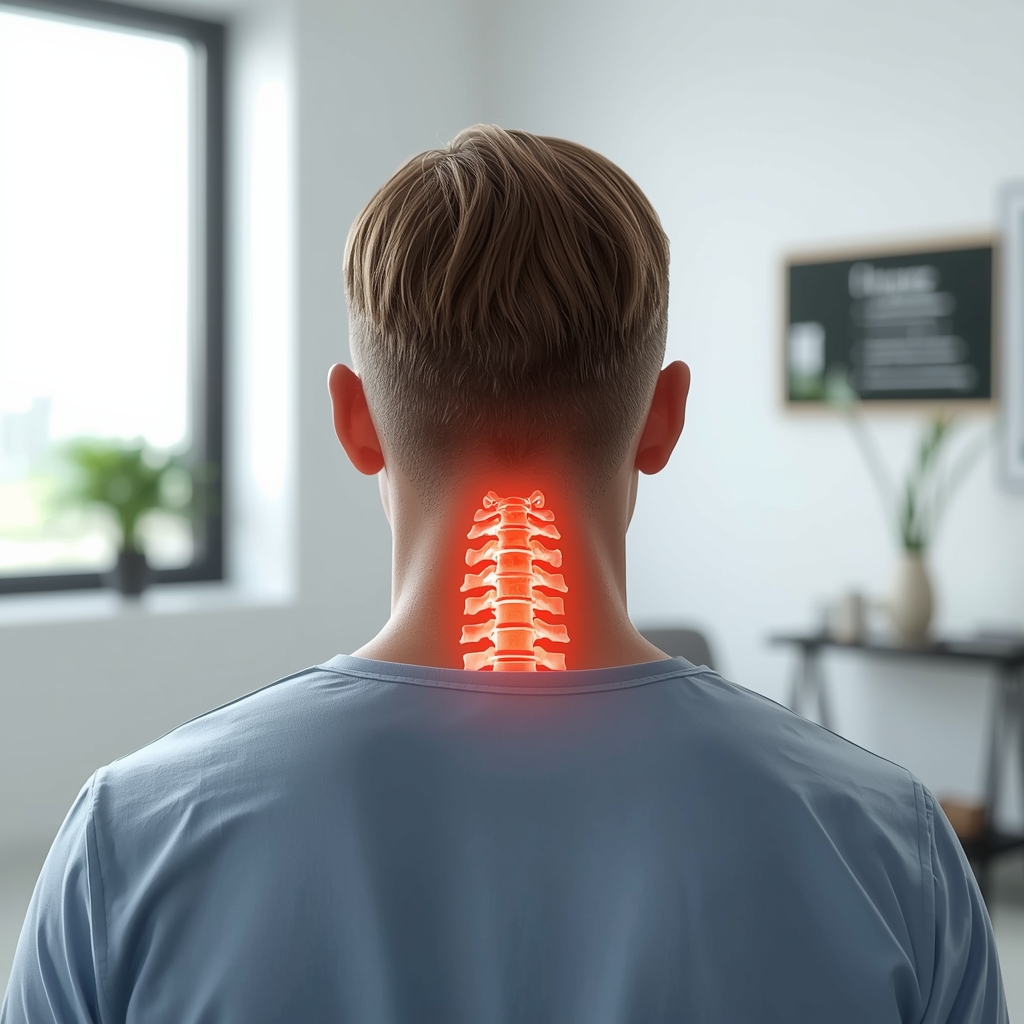
Understanding Long-Term Recovery After Whiplash
Whiplash injuries often lead to cervical spine degeneration over time, requiring sustained care strategies. While initial treatment focuses on acute symptoms, long-term recovery involves addressing structural changes and preventing further deterioration. Chiropractic care plays a key role in maintaining spinal alignment, reducing chronic pain, and improving mobility. Patients should work with qualified providers to develop personalized plans that balance adjustments, lifestyle changes, and preventive measures. Regular communication with a chiropractor ensures strategies adapt to evolving needs, promoting lasting wellness.
Consistent Chiropractic Adjustments and Monitoring
Regular chiropractic adjustments help maintain spinal stability and reduce pressure on nerves affected by degenerative changes. Over time, misalignments can worsen, so ongoing evaluations are critical. A chiropractor may recommend periodic visits to monitor progress and make necessary adjustments. This approach supports the body’s natural healing processes and minimizes the risk of chronic complications. Patients should prioritize consistency, as sporadic care may not address progressive degeneration effectively. Combining adjustments with soft tissue therapies can enhance outcomes, but always under professional guidance.
Integrating Strengthening and Mobility Exercises
Strengthening the neck and surrounding muscles is vital for long-term recovery. A chiropractor may suggest customized exercises to improve stability and range of motion. Low-impact activities like yoga or resistance training can complement adjustments, but patients should avoid overexertion. Gentle stretching routines help maintain flexibility, reducing stiffness linked to degeneration. Consistency is key, as these exercises support spinal health over time. A provider can tailor recommendations to individual conditions, ensuring safety and effectiveness. Combining physical therapy with chiropractic care often yields better results than either approach alone.
Adopting Ergonomic and Lifestyle Modifications
Daily habits significantly impact cervical spine health. Ergonomic adjustments to workspaces, sleeping positions, and posture can reduce strain on the neck. Using supportive pillows, maintaining proper desk ergonomics, and taking frequent breaks from sitting are practical steps. Patients should also avoid repetitive motions that exacerbate degeneration. Stress management techniques, like mindfulness or breathing exercises, may indirectly benefit spinal health by reducing muscle tension. These lifestyle changes, when sustained, create a supportive environment for long-term recovery and prevent further damage.
Managing Chronic Pain and Preventing Progression
Chronic pain from cervical degeneration requires proactive management. Chiropractors may employ techniques like decompression therapy or cold laser treatment to alleviate discomfort. However, these should be part of a broader strategy rather than standalone solutions. Patients should report persistent symptoms promptly to address underlying issues. Preventing progression involves monitoring for new symptoms and adjusting care plans accordingly. A multidisciplinary approach, including physical therapy or massage, may be recommended. The goal is to minimize pain while preserving function and quality of life.
The Importance of Patient Education and Compliance
Empowering patients with knowledge about their condition strengthens long-term outcomes. Understanding the mechanics of cervical degeneration helps individuals make informed decisions about their care. A chiropractor can explain how specific strategies, like posture correction or exercise, contribute to recovery. Compliance with recommended routines is essential, as sporadic adherence may hinder progress. Regular follow-ups allow providers to reinforce education and address concerns. By fostering a collaborative relationship, patients and chiropractors can navigate challenges together, ensuring sustained improvements in spinal health.













