
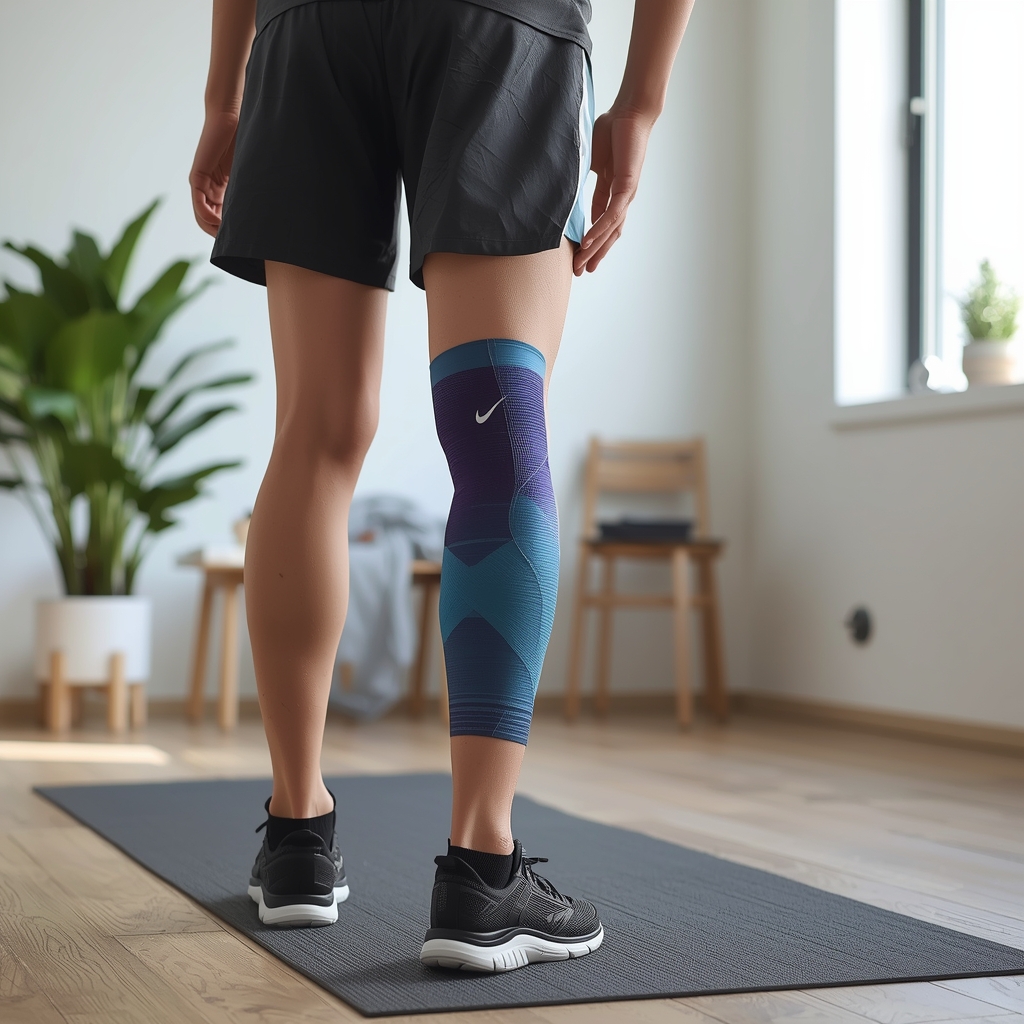
Understanding Patellar Tracking Issues
Patellar tracking issues occur when the kneecap (patella) moves improperly over the femur, often causing pain and instability. This condition is common in athletes due to repetitive stress, muscle imbalances, or biomechanical factors. Poor tracking can lead to discomfort during activities like running, jumping, or squatting. While treatment often involves physical therapy and strengthening exercises, kinesio taping is frequently used as a supportive measure. It works by providing proprioceptive feedback and altering joint mechanics, which may help stabilize the patella during movement. However, its effectiveness depends on proper technique and integration with other therapeutic approaches.
How Kinesio Taping Supports Patellar Alignment
Kinesio taping applies gentle pressure to the skin, influencing muscle function and joint alignment. For patellar tracking, the tape is often applied to the quadriceps, hamstrings, or surrounding soft tissues to reduce lateral pull on the kneecap. This can alleviate strain on the patellofemoral joint and promote more balanced movement. The tape’s elasticity allows for natural motion while offering support, making it a popular choice for athletes. However, results vary based on individual anatomy and the specific taping method used. It’s important to note that taping alone is not a cure but a temporary aid to complement rehabilitation strategies.
Common Kinesio Taping Techniques for the Knee
Several kinesio taping techniques target patellar tracking, including the “I” strip, “Y” strip, and “X” strip configurations. The “I” strip is often applied along the quadriceps to enhance muscle activation, while the “Y” strip distributes force across the patella to correct lateral displacement. The “X” strip can stabilize the joint by providing multidirectional support. Athletes may also use a “fan” technique to reduce swelling. Proper placement is critical, as incorrect application can worsen symptoms. A qualified chiropractor or sports therapist can tailor the approach to an athlete’s specific needs, ensuring the tape supports rather than restricts movement.
Proper Application and Maintenance
Effective kinesio taping requires careful preparation and application. The skin should be clean, dry, and free of oils to ensure adhesion. The tape is typically applied with the joint in a slightly stretched position, then smoothed to avoid bubbles. Athletes should avoid excessive stretching of the tape itself, as this can reduce its efficacy. The tape usually lasts 3–5 days but may need reapplication if it loosens. Regular monitoring is essential to check for irritation or improper fit. Proper technique maximizes benefits while minimizing risks, making professional guidance invaluable for optimal results.
Combining Taping with Rehabilitation Strategies
Kinesio taping is most effective when paired with other rehabilitation methods. Strengthening the quadriceps, hamstrings, and hip abductors improves patellar stability, while flexibility exercises reduce tension on the knee. A chiropractor may also recommend manual adjustments or soft tissue therapies to address underlying biomechanical issues. Taping can be used during workouts or daily activities to reinforce proper movement patterns. However, it should not replace structured physical therapy. Athletes should work with a healthcare provider to create a comprehensive plan that addresses both immediate symptoms and long-term joint health.
When to Consult a Healthcare Professional
If patellar tracking issues persist despite taping and self-care, it’s crucial to seek professional evaluation. A chiropractor can assess biomechanics, identify muscle imbalances, and recommend targeted interventions. Persistent pain, swelling, or instability may indicate a more severe condition requiring imaging or specialized treatment. While kinesio taping can provide temporary relief, it’s not a substitute for diagnosing and addressing root causes. Athletes should consult a qualified provider to ensure their approach aligns with their unique needs and promotes sustainable recovery.














