
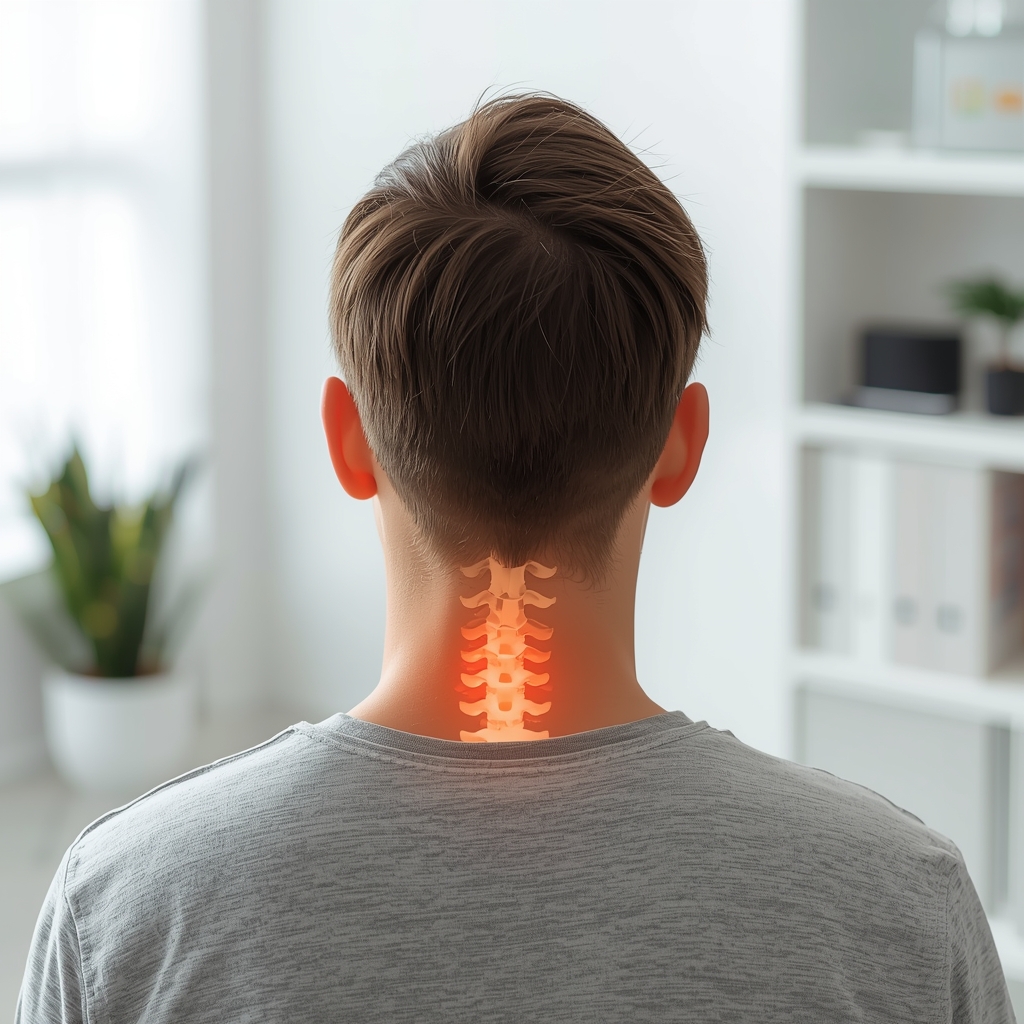
Understanding Chronic Neck Pain After a Rear-End Collision
Chronic neck pain following a rear-end collision often stems from whiplash injuries, which can strain muscles, ligaments, and joints in the cervical spine. This condition may persist for weeks or months, impacting daily activities and quality of life. While initial treatment focuses on pain management, long-term recovery requires targeted interventions. Chiropractic care offers non-invasive options to address structural misalignments and soft tissue damage. Patients should consult a qualified chiropractor to evaluate their specific needs and develop a tailored plan. Understanding the mechanisms of injury and available treatments is crucial for informed decision-making. Chiropractors may combine multiple techniques to restore mobility, reduce inflammation, and promote healing. This article explores effective strategies for managing chronic neck pain after auto accidents.
Spinal Adjustments and Manipulation
Spinal adjustments, a cornerstone of chiropractic care, aim to realign the vertebrae and relieve pressure on nerves. For chronic neck pain, these adjustments can correct misalignments caused by the sudden force of a collision. By restoring proper spinal mechanics, adjustments may reduce pain, improve range of motion, and enhance overall function. Research suggests that spinal manipulation is generally safe and effective for musculoskeletal conditions, though results vary by individual. Chiropractors use precise techniques to address specific areas of dysfunction, often combining adjustments with other therapies. Patients should discuss potential risks and benefits with their provider, as certain conditions may require modified approaches. Regular sessions can help maintain alignment and support long-term recovery.
Active Release Technique (ART)
Active Release Technique (ART) is a soft tissue therapy that targets adhesions and scar tissue in muscles and tendons. This method is particularly useful for chronic neck pain caused by repetitive strain or injury. By applying pressure while the patient moves, ART helps break down restrictions and restore normal tissue function. It can alleviate pain, improve flexibility, and enhance blood flow to affected areas. Many chiropractors integrate ART into treatment plans for patients with lingering discomfort after accidents. The technique is often used alongside spinal adjustments to address both structural and muscular imbalances. While generally well-tolerated, some patients may experience temporary soreness. A qualified provider can determine if ART is suitable for individual cases and adjust the approach as needed.
Soft Tissue Therapy for Muscle Relief
Soft tissue therapy encompasses various methods to treat muscle tension, knots, and inflammation. Techniques like massage, myofascial release, and trigger point therapy can ease discomfort in the neck and surrounding areas. These approaches help reduce muscle spasms, improve circulation, and promote relaxation. For chronic neck pain, soft tissue therapy complements structural treatments by addressing underlying muscular imbalances. Chiropractors may use handheld instruments or manual pressure to target specific problem areas. Patients often report reduced pain and increased mobility after consistent sessions. It is important to communicate any sensitivities or preferences to the provider. When combined with other chiropractic strategies, soft tissue therapy can contribute to a more comprehensive recovery.
Decompression Therapy for Nerve Relief
Spinal decompression therapy is designed to relieve pressure on nerves and discs in the cervical spine. This non-surgical option uses gentle traction to create space between vertebrae, potentially reducing pain caused by nerve compression. It may be beneficial for patients with chronic neck pain linked to herniated discs or spinal stenosis. The therapy involves a series of sessions where the spine is carefully adjusted to alleviate discomfort. While not suitable for all cases, decompression therapy can offer relief for certain musculoskeletal conditions. Patients should discuss their medical history with a chiropractor to determine eligibility. When appropriate, this technique can be part of a multi-modal approach to restore function and minimize long-term symptoms.
Personalized Treatment Plans for Long-Term Recovery
Effective management of chronic neck pain requires individualized care, as each patient’s injury and recovery trajectory differ. Chiropractors assess factors like pain severity, mobility limitations, and underlying conditions to design customized treatment plans. These may combine spinal adjustments, soft tissue therapies, and rehabilitative exercises. Regular evaluations ensure the approach remains aligned with the patient’s progress. Consistency and communication with the provider are key to optimizing outcomes. While chiropractic care can significantly improve symptoms, it is often most effective when integrated with other healthcare strategies. Patients should remain proactive in their recovery, adhering to recommendations while staying informed about their options. A collaborative approach fosters better long-term results and enhanced quality of life.












