
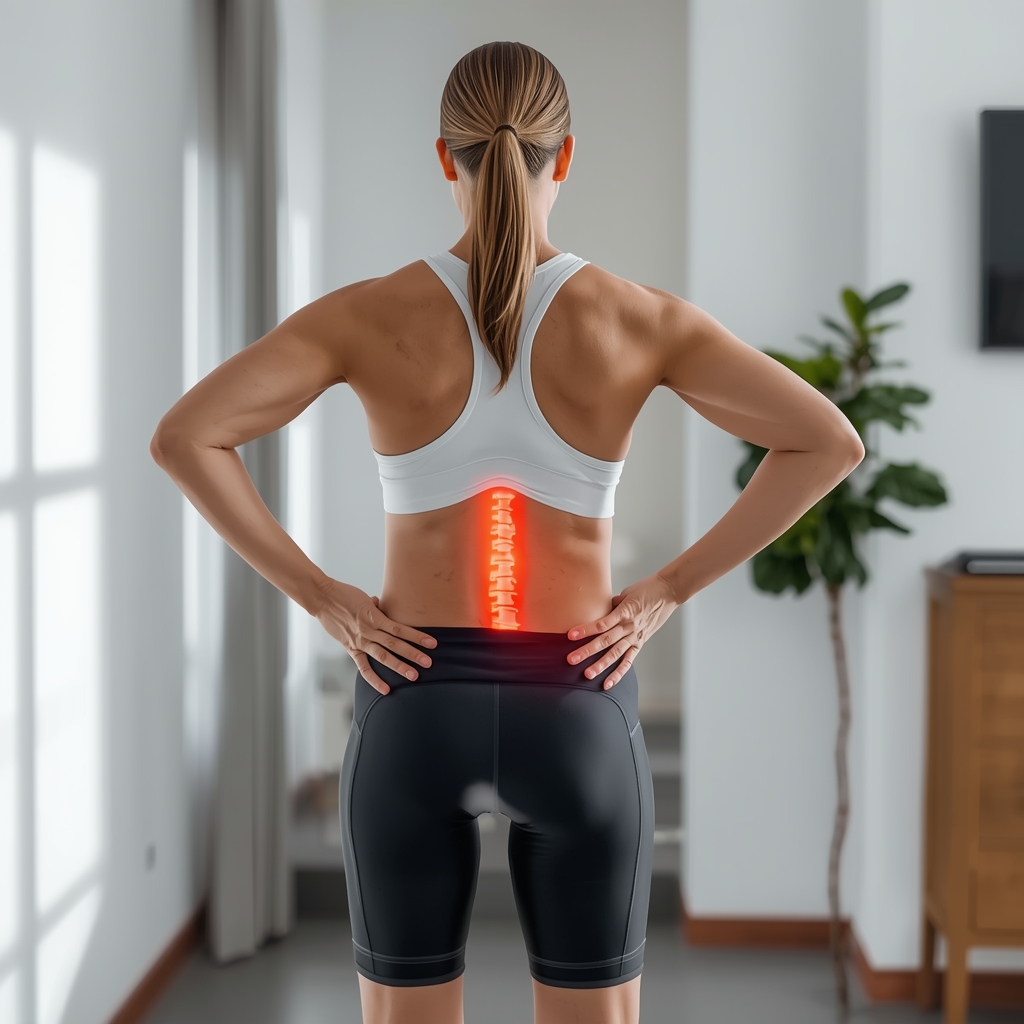
Understanding Iliotibial Band Syndrome in Cyclists
Iliotibial Band Syndrome (ITBS) is a common overuse injury among cyclists, caused by friction between the iliotibial band and the femur during repetitive pedaling motions. This condition often leads to pain on the outer side of the knee, limiting performance and causing discomfort. Cyclists with poor biomechanics, tight hip flexors, or weak core muscles are particularly susceptible. Preventing recurrence requires addressing both structural and functional factors. Chiropractic care offers targeted strategies to alleviate strain on the IT band while improving overall movement efficiency. By combining manual techniques with exercise recommendations, cyclists can reduce the risk of re-injury and maintain optimal performance.
Chiropractic Techniques for ITBS Relief
Chiropractors use various techniques to address ITBS, focusing on reducing inflammation and restoring normal joint function. Active Release Technique (ART) is commonly employed to break up adhesions in the iliotibial band, improving flexibility and reducing friction. Graston Technique, which uses specialized tools to detect and treat soft tissue restrictions, may also be beneficial. Spinal adjustments can correct misalignments that contribute to uneven stress on the lower body. These methods aim to enhance mobility while addressing underlying musculoskeletal imbalances. Regular chiropractic sessions can help cyclists maintain proper biomechanics, preventing the repetitive strain that leads to ITBS flare-ups.
Strengthening Exercises for Cyclists
Strengthening the muscles surrounding the hips and core is crucial for preventing ITBS recurrence. Exercises like clamshells, side-lying leg lifts, and hip abductor work target the gluteus medius, which stabilizes the pelvis during pedaling. Core strengthening routines, including planks and bird dogs, improve overall posture and reduce compensatory movements that strain the IT band. Foam rolling and dynamic stretching before rides can also enhance flexibility. Cyclists should incorporate these exercises into their training regimen to build resilience against overuse injuries. A chiropractor can tailor a program to individual needs, ensuring exercises address specific weaknesses without exacerbating existing issues.
Posture and Biomechanics Assessment
Proper posture and pedaling mechanics play a significant role in ITBS prevention. A chiropractor can evaluate a cyclist’s riding position, identifying factors like saddle height, cleat alignment, or handlebar posture that may contribute to excessive IT band stress. Adjustments to these elements can reduce friction and distribute force more evenly across the lower body. Additionally, assessing gait patterns and lower extremity alignment helps detect compensatory movements that increase injury risk. By optimizing biomechanics, cyclists can minimize the repetitive strain that leads to ITBS. Regular check-ups with a chiropractor ensure these adjustments remain effective as training intensity evolves.
Preventive Care Routines for Cyclists
Incorporating preventive care into a cycling routine is essential for long-term ITBS management. This includes warm-up exercises, cooldown stretches, and regular soft tissue maintenance. Cyclists should prioritize hydration, nutrition, and adequate rest to support tissue recovery. Chiropractors may recommend ergonomic adjustments to bikes or equipment to reduce strain during rides. Additionally, cross-training with low-impact activities like swimming or yoga can maintain fitness without overloading the IT band. By adopting a holistic approach to health, cyclists can sustain performance while minimizing injury risks. Consistent communication with a chiropractor ensures these strategies remain aligned with individual needs and goals.
When to Seek Professional Guidance
If ITBS symptoms persist despite self-care efforts, consulting a chiropractor is advisable. A professional can identify underlying issues such as muscle imbalances, joint restrictions, or improper riding mechanics that may contribute to recurrent pain. They can develop a personalized plan combining manual therapies, corrective exercises, and lifestyle adjustments. Early intervention is key to preventing chronic complications. Cyclists should also seek guidance if new or worsening symptoms arise, as prompt care can accelerate recovery. By partnering with a qualified chiropractor, cyclists gain access to expert strategies that support long-term musculoskeletal health and performance.












