
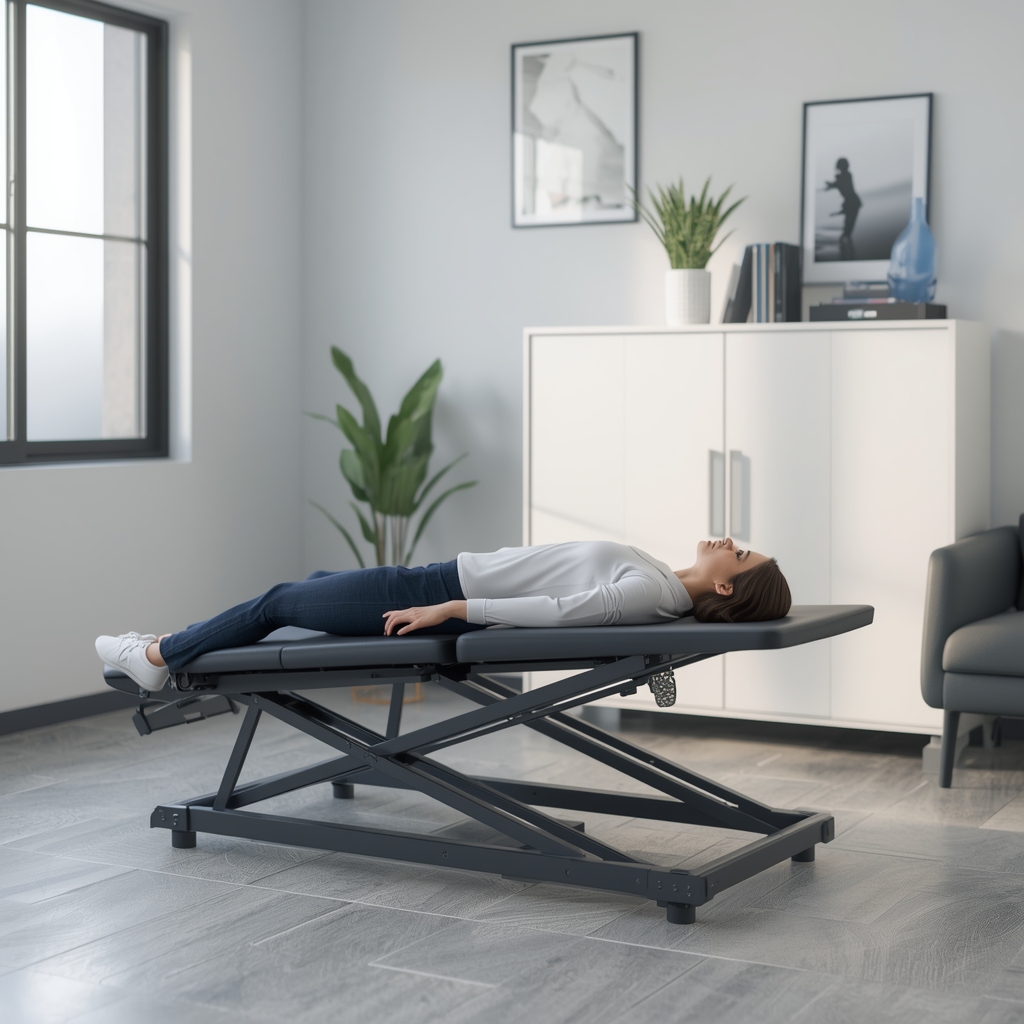
Introduction to Spinal Decompression Devices
Spinal decompression devices are specialized tools used in chiropractic care to alleviate pressure on herniated or bulging discs. These devices work by gently stretching the spine, creating negative pressure in the discs to promote rehydration and reduce nerve compression. While traditional manual techniques remain valuable, modern innovations have enhanced precision and patient comfort. For individuals with disc herniations, decompression therapy offers a non-invasive alternative to surgery, focusing on restoring spinal alignment and mobility. Chiropractors often integrate these devices into treatment plans to address chronic pain and improve recovery outcomes. Understanding the latest advancements in this area helps patients and practitioners make informed decisions about care options.
Advancements in Technology and Design
Recent innovations in spinal decompression devices emphasize computerized systems and real-time adjustments. Modern equipment uses sensors to monitor spinal pressure and adapt traction forces dynamically, ensuring safer and more targeted treatment. Some models incorporate ergonomic designs to minimize discomfort during sessions, while others feature adjustable settings for different patient needs. These improvements allow chiropractors to tailor decompression protocols to individual conditions, enhancing effectiveness. Additionally, wireless connectivity and data tracking enable practitioners to analyze progress over time, refining treatment strategies. Such technological upgrades reflect a growing focus on precision and patient-centered care in chiropractic practices.
Enhanced Safety and Patient Comfort
Newer decompression devices prioritize patient safety and comfort through advanced engineering. Features like cushioned supports, adjustable resistance levels, and noise reduction systems help create a more relaxed treatment environment. Some devices include built-in safeguards to prevent excessive force, reducing the risk of adverse effects. Patients often report greater ease during sessions compared to older models, which can improve compliance with long-term care plans. Chiropractors also benefit from intuitive interfaces that streamline setup and monitoring. By addressing common concerns like discomfort and anxiety, these innovations make decompression therapy more accessible and effective for a broader range of patients.
Integration with Complementary Therapies
Modern decompression devices are increasingly designed to work alongside other chiropractic treatments. For example, some systems combine traction with heat therapy or electrical stimulation to enhance muscle relaxation and pain relief. Others integrate with postural assessment tools, allowing practitioners to address underlying biomechanical issues. This multifaceted approach can lead to more comprehensive care, as decompression alone may not resolve all contributing factors to disc herniations. By aligning with techniques like soft tissue therapy or corrective exercises, these devices support holistic treatment plans. Chiropractors can customize combinations based on patient needs, optimizing outcomes through coordinated interventions.
Improving Clinical Outcomes and Recovery
Research suggests that advanced decompression technologies may improve recovery rates for disc herniation patients by reducing inflammation and promoting disc healing. Enhanced precision in applying traction forces can minimize stress on surrounding tissues, potentially lowering the risk of complications. Patients often experience reduced pain and improved mobility after consistent use, though results vary based on individual conditions. Chiropractors play a critical role in determining the suitability of these devices, considering factors like disc severity and overall health. While not a standalone solution, decompression therapy remains a valuable tool in non-surgical care. Ongoing advancements continue to refine its effectiveness, offering hope for those seeking alternatives to invasive procedures.
Future Directions in Spinal Decompression
The future of spinal decompression devices may involve even greater personalization and automation. Emerging technologies, such as AI-driven diagnostics and adaptive algorithms, could enable real-time adjustments based on patient feedback and physiological data. Portable or home-use models are also being explored, expanding access to care. As research progresses, these innovations may further reduce recovery times and improve patient satisfaction. However, practitioners must remain cautious, ensuring new tools align with established safety standards. Continued collaboration between engineers and chiropractors will be essential to translate technological progress into meaningful clinical benefits. Patients are encouraged to discuss these developments with their providers to determine the best course of action for their unique needs.













