
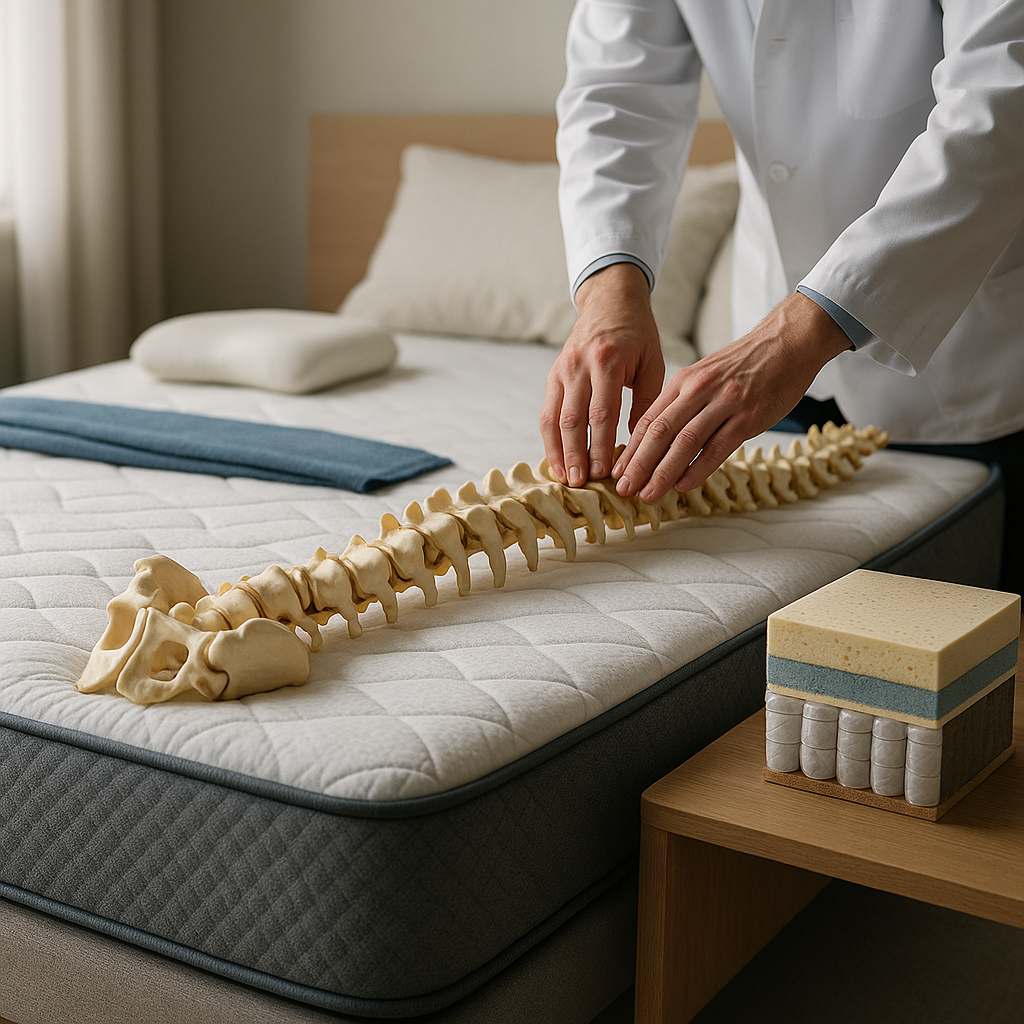
Why Chiropractors Care About the Mattress You Sleep On
Sleep is not merely a period of rest. For your spine, it is a critical window of recovery, realignment, and healing. Chiropractors understand this better than most healthcare professionals, which is why so many of them take the time to discuss sleeping surfaces with their patients. The mattress you sleep on every night directly influences spinal alignment, muscle tension, and overall musculoskeletal health. Choosing the wrong one can quietly undo hours of chiropractic care and physical therapy.
If you have been searching for a chiropractor recommended mattress, you are already taking a meaningful step toward better spinal health. This article explores what chiropractors look for in a mattress, which types they most frequently recommend, and how you can make an informed decision for your own needs.
What Makes a Mattress Chiropractic-Friendly?
Not every mattress marketed as “orthopedic” or “back-friendly” meets the standards that trained chiropractors set for their patients. There are specific qualities that professionals look for when advising on sleep surfaces. Understanding these characteristics can help you evaluate your options more critically.
Spinal Alignment and Neutral Positioning
The most important quality a spine support mattress must possess is the ability to maintain the natural curvature of the spine throughout the night. Whether you sleep on your back, side, or stomach, your mattress should support your body in a way that keeps your spine in a neutral position — meaning neither arched excessively nor flattened unnaturally.
A mattress that is too soft allows the heavier parts of your body, particularly the hips and shoulders, to sink too deeply. This creates a hammock-like effect that forces the spine into an unnatural curve. Conversely, a mattress that is too firm fails to contour to the body’s natural shape, leaving gaps beneath the lumbar region and creating pressure points at the hips and shoulders.
Pressure Relief Without Sacrificing Support
Effective pressure relief is essential, particularly for side sleepers whose hips and shoulders bear a significant load throughout the night. A good mattress must cushion these areas while still providing adequate underlying support to keep the spine aligned. This balance is one of the defining features of a high-quality best mattress for back pain.
Motion Isolation and Sleep Quality
While motion isolation may seem like a comfort feature rather than a health-related one, disrupted sleep due to a partner’s movement can significantly impact the body’s ability to recover. Poor sleep quality is associated with increased pain sensitivity, slower tissue recovery, and heightened stress on the musculoskeletal system.
Durability and Consistent Support Over Time
A mattress that offers excellent support when new but sags significantly within a few years is not a sound investment for spinal health. Chiropractors typically advise patients to replace mattresses every seven to ten years, and to choose models with proven durability and consistent support characteristics over that period.
Mattress Types Most Frequently Recommended by Chiropractors
Chiropractors do not universally endorse a single mattress type, as individual body type, sleep position, and specific spinal conditions all play a role in determining the best choice. However, there are several mattress categories that consistently receive positive chiropractic mattress advice.
1. Medium-Firm Memory Foam Mattresses
Memory foam mattresses have earned considerable favor among chiropractic professionals, provided they fall within the medium-firm range. High-density memory foam contours closely to the body, distributing weight evenly and reducing pressure on the hips, shoulders, and lower back. This contouring ability supports natural spinal curvature without allowing excessive sinkage.
Chiropractors particularly appreciate memory foam for patients who experience lower back pain, as the material adapts to individual body shapes. Those who sleep on their sides or backs tend to benefit most from this mattress type. One consideration worth noting is that traditional memory foam can retain heat, though many modern options include cooling gel layers or open-cell foam constructions to address this concern.
2. Latex Mattresses
Latex mattresses are widely regarded among chiropractors as one of the most supportive and health-conscious options available. Natural latex, derived from rubber tree sap, provides responsive support that is both buoyant and contouring. Unlike memory foam, latex pushes back against the body slightly, which helps prevent the sinking sensation that can compromise spinal alignment.
Several qualities make latex a preferred spine support mattress choice:
- Natural hypoallergenic properties that reduce allergen exposure during sleep
- Excellent breathability, keeping sleep temperature regulated
- Consistent support that does not deteriorate rapidly over time
- Responsive contouring that adapts to position changes throughout the night
- Available in a range of firmness levels to accommodate different sleep positions and body types
Chiropractors often recommend natural latex over synthetic varieties, as the material quality and support characteristics tend to be superior. Dunlop and Talalay are the two primary manufacturing processes used for latex mattresses, with Talalay generally producing a softer, more consistent feel and Dunlop producing a denser, more supportive core.
3. Hybrid Mattresses
Hybrid mattresses combine the benefits of innerspring coil systems with comfort layers made from memory foam, latex, or other materials. This construction offers a balance of support and cushioning that many chiropractors find appealing for a broad range of patients.
The pocketed coil systems found in quality hybrid mattresses provide targeted support that responds independently to different areas of the body. This means that heavier regions such as the hips receive firmer support, while lighter areas such as the shoulders experience gentler cushioning — a setup that naturally encourages spinal alignment.












