
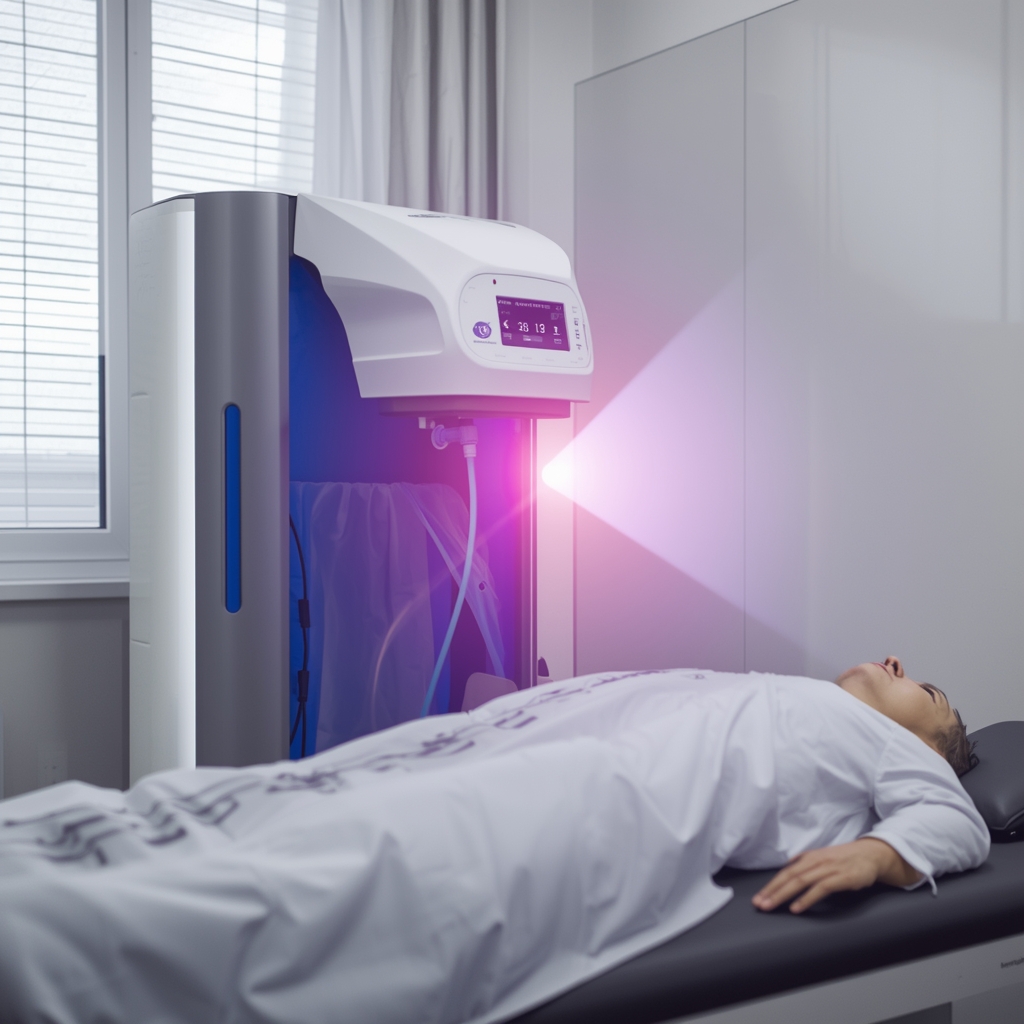
Understanding Chronic Tendinopathy and Its Healing Challenges
Chronic tendinopathy refers to long-term inflammation or degeneration of tendons, often affecting areas like the Achilles, rotator cuff, or patellar tendons. These conditions can persist for months or years, resisting conventional treatments like rest, physical therapy, or anti-inflammatory medications. The slow healing process stems from limited blood flow to tendons and the body’s difficulty repairing damaged collagen fibers. Patients frequently experience pain, reduced mobility, and frustration due to the condition’s stubborn nature. While traditional approaches focus on symptom management, complementary therapies like pulsed electromagnetic field (PEMF) therapy and cold laser treatments offer alternative strategies to support the body’s natural healing mechanisms. By addressing underlying biological processes, these modalities aim to enhance recovery without invasive procedures or pharmaceuticals.
How Pulsed Electromagnetic Field Therapy Works
PEMF therapy uses low-frequency electromagnetic waves to stimulate cellular activity. These waves are believed to enhance ATP production, improve blood circulation, and reduce inflammation by modulating ion channels in cell membranes. Research suggests that PEMF can accelerate tissue repair by promoting the growth of new cells and encouraging collagen synthesis. For chronic tendinopathy, this therapy may help break the cycle of inflammation and degeneration by restoring cellular function. The non-invasive nature of PEMF makes it a safe option for patients seeking to avoid surgery or long-term medication. While the exact mechanisms are still under study, many practitioners observe improved healing outcomes when PEMF is integrated into treatment plans. Its ability to penetrate deep tissues without causing harm makes it a valuable tool for targeting chronic tendon issues that traditional methods often fail to address.
Exploring Cold Laser Therapy for Tendon Repair
Cold laser therapy, also known as low-level laser therapy (LLLT), uses specific wavelengths of light to stimulate cellular processes. This therapy is thought to increase mitochondrial activity, which enhances energy production and promotes tissue regeneration. By reducing oxidative stress and inflammation, cold laser treatments can alleviate pain and improve tendon function. Unlike surgical interventions, cold laser therapy is non-invasive and typically requires multiple sessions for optimal results. It is particularly effective for conditions where inflammation and microtears in tendon fibers are present. While the exact biological pathways remain areas of ongoing research, clinical observations indicate that cold laser therapy can support the body’s natural healing processes. Its targeted approach allows practitioners to address specific areas of tendon damage, making it a versatile option for managing chronic tendinopathy.
How PEMF and Cold Laser Therapy Complement Each Other
When used together, PEMF and cold laser therapies may create a synergistic effect that enhances healing outcomes. PEMF’s ability to improve circulation and cellular metabolism can prepare tissues for the reparative actions of cold laser therapy. Meanwhile, cold laser’s targeted stimulation may amplify the effects of PEMF by focusing on specific areas of tendon damage. This combination could lead to faster reduction of inflammation, improved collagen alignment, and increased range of motion. Practitioners often use PEMF first to create a more receptive environment for subsequent cold laser treatments. However, the precise protocols for integrating these therapies vary based on individual patient needs. While research is ongoing, many healthcare providers report that combining these modalities can offer more comprehensive relief than either treatment alone, particularly for complex or long-standing tendinopathies.
Clinical Applications and Patient Experiences
Chiropractors and physical therapists increasingly incorporate PEMF and cold laser therapy into treatment plans for chronic tendinopathy. Patients often report reduced pain and improved functionality after consistent sessions, though results vary depending on the condition’s severity and duration. These therapies are typically part of a broader approach that includes exercise, ergonomic adjustments, and lifestyle modifications. For example, a patient with chronic Achilles tendinopathy might receive PEMF to boost cellular repair before undergoing cold laser treatments to target specific scar tissue. While anecdotal evidence supports their effectiveness, it is essential to consult a qualified provider to determine the best course of action. Individualized care ensures that the therapies are tailored to the patient’s unique needs, maximizing the potential for recovery without overreliance on any single method.
Key Considerations for Integrating Both Therapies
Before combining PEMF and cold laser therapy, patients should consult a licensed healthcare provider to evaluate their condition and treatment goals. Factors such as the tendon’s location, the duration of symptoms, and the patient’s overall health influence the effectiveness of these therapies. It is crucial to avoid self-treatment, as improper use of devices can lead to unintended side effects. Additionally, these modalities are not substitutes for comprehensive care and should be used alongside other evidence-based treatments. Patients should also be aware of potential contraindications, such as pregnancy or the presence of certain medical devices. By working with a qualified professional, individuals can create a safe, personalized plan that addresses their specific needs. This collaborative approach ensures that both therapies are applied effectively to support long-term healing and functional recovery.














