
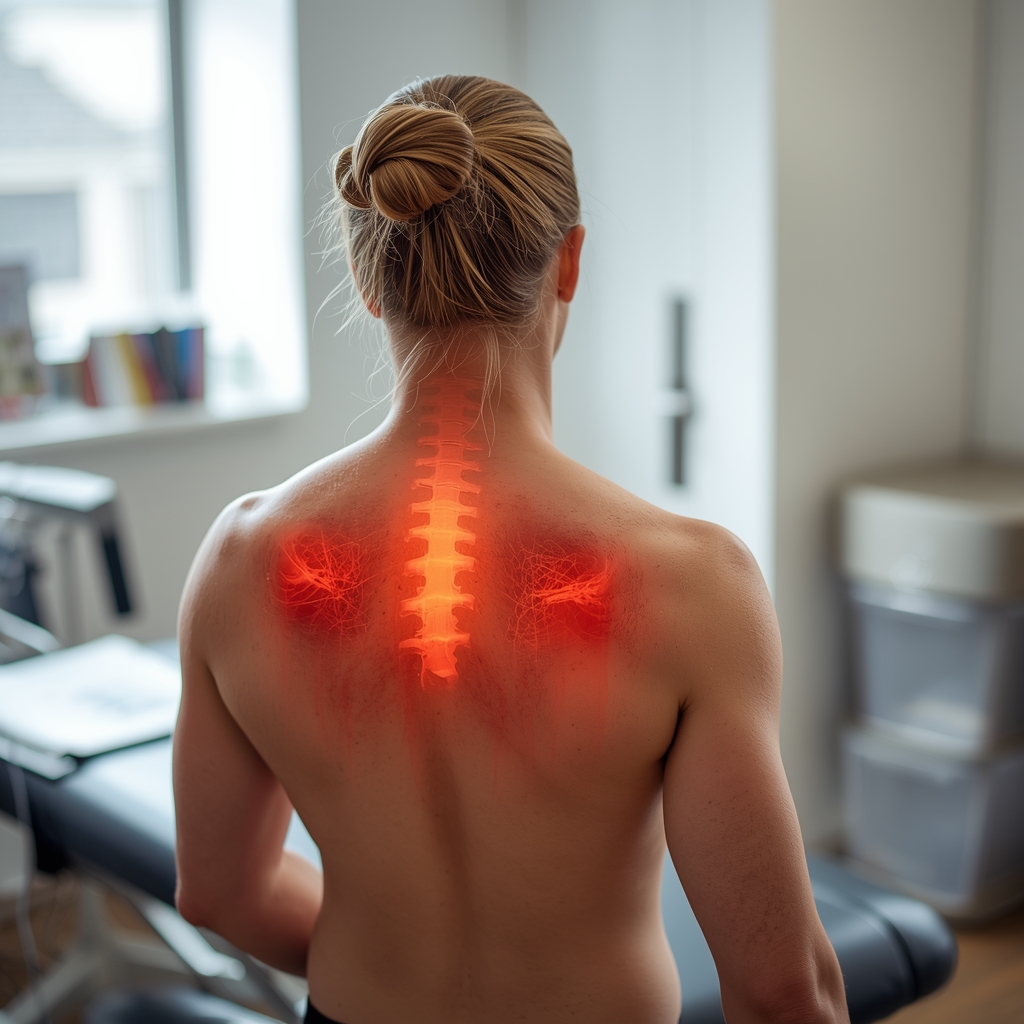
Understanding Ultrasound Therapy and Its Role in Tissue Repair
Ultrasound therapy is a non-invasive treatment that uses high-frequency sound waves to penetrate deep into soft tissues. In the context of rotator cuff tendinopathy, this modality is often employed to address pain, inflammation, and impaired tissue function. While the exact mechanisms are still under investigation, ultrasound therapy is believed to stimulate cellular activity and improve blood circulation, which can support the body’s natural healing processes. For patients with shoulder injuries, this treatment is frequently integrated into broader rehabilitation plans. It is important to note that ultrasound therapy is not a standalone solution but works best when combined with other therapeutic interventions, such as physical therapy or chiropractic adjustments. Its role in tissue repair remains an active area of research, with clinicians relying on clinical experience and general medical consensus to guide its application.
Mechanisms of Action: How Ultrasound Promotes Healing
The therapeutic effects of ultrasound therapy stem from its ability to generate mechanical and thermal energy within tissues. The mechanical vibrations can stimulate cell membranes, enhancing metabolic activity and promoting the release of growth factors that aid in tissue repair. Additionally, the thermal effect of ultrasound increases local blood flow, which delivers oxygen and nutrients to damaged areas while removing waste products. These combined actions may reduce inflammation and accelerate the healing of tendons affected by rotator cuff tendinopathy. However, the precise biological pathways remain complex and not fully understood. Researchers continue to explore how different ultrasound parameters—such as frequency and intensity—affect outcomes. Despite this, many healthcare providers use ultrasound therapy based on its potential to support recovery, emphasizing the need for further studies to validate its efficacy in specific conditions like shoulder tendon injuries.
Enhancing Blood Flow and Reducing Inflammation
One of the key benefits of ultrasound therapy is its capacity to improve circulation in targeted areas. By increasing blood flow to the shoulder region, this treatment helps deliver essential nutrients and oxygen to damaged tendons, which is critical for tissue regeneration. Enhanced circulation also facilitates the removal of inflammatory byproducts, potentially reducing swelling and pain associated with rotator cuff tendinopathy. While inflammation is a natural response to injury, chronic inflammation can hinder recovery. Ultrasound therapy may help modulate this process by promoting a balanced inflammatory response. Patients often report decreased discomfort and improved mobility after repeated sessions. However, the extent of these benefits can vary depending on factors such as the severity of the condition and individual health status. Clinicians typically recommend a series of treatments to achieve optimal results, emphasizing the importance of consistency in therapy.
Stimulating Collagen Synthesis and Tissue Remodeling
Collagen is a vital component of tendons, providing structural integrity and strength. Ultrasound therapy is thought to stimulate collagen production by activating fibroblasts, the cells responsible for synthesizing this protein. This process can enhance the repair and remodeling of damaged rotator cuff tissues, making them more resilient over time. Additionally, the mechanical vibrations from ultrasound may align collagen fibers in a more organized manner, improving the tendon’s functional properties. While these effects are well-documented in laboratory settings, their translation to clinical outcomes requires further investigation. Patients undergoing ultrasound therapy often experience gradual improvements in shoulder function, which may be linked to these cellular-level changes. However, it is essential to recognize that collagen synthesis is a slow process, and results may not be immediate. Combining ultrasound with targeted exercises can further support tissue strength and long-term recovery.
Integrating Ultrasound Therapy with Other Treatment Approaches
Ultrasound therapy is most effective when incorporated into a comprehensive treatment plan tailored to the patient’s needs. For individuals with rotator cuff tendinopathy, this may include physical therapy, strength training, and chiropractic care. Physical therapists often use ultrasound to prepare tissues for stretching or strengthening exercises, as improved blood flow can enhance the effectiveness of these interventions. Chiropractors may also integrate ultrasound into their protocols to address musculoskeletal imbalances contributing to shoulder pain. While ultrasound itself does not directly correct structural issues, it can create a more favorable environment for other therapies to work. Patients should work closely with their healthcare providers to determine the optimal combination of treatments. Open communication with a qualified professional ensures that ultrasound therapy is used safely and effectively, avoiding potential overuse or misapplication.
Considerations for Patients and the Importance of Professional Guidance
Before undergoing ultrasound therapy, patients should consult a licensed healthcare provider to assess their condition and determine if this treatment is appropriate. While generally safe, improper use of ultrasound equipment can lead to adverse effects, such as tissue overheating or delayed healing. A qualified practitioner will evaluate factors like injury severity, skin sensitivity, and underlying health conditions to design a personalized treatment plan. Patients should also be aware that ultrasound therapy may not work for everyone and that results can vary based on individual responses. It is crucial to approach this modality with realistic expectations and to follow professional recommendations. Regular follow-ups with a chiropractor or physical therapist can help monitor progress and make necessary adjustments. Ultimately, ultrasound therapy is a tool to support recovery, not a substitute for comprehensive medical care.














