
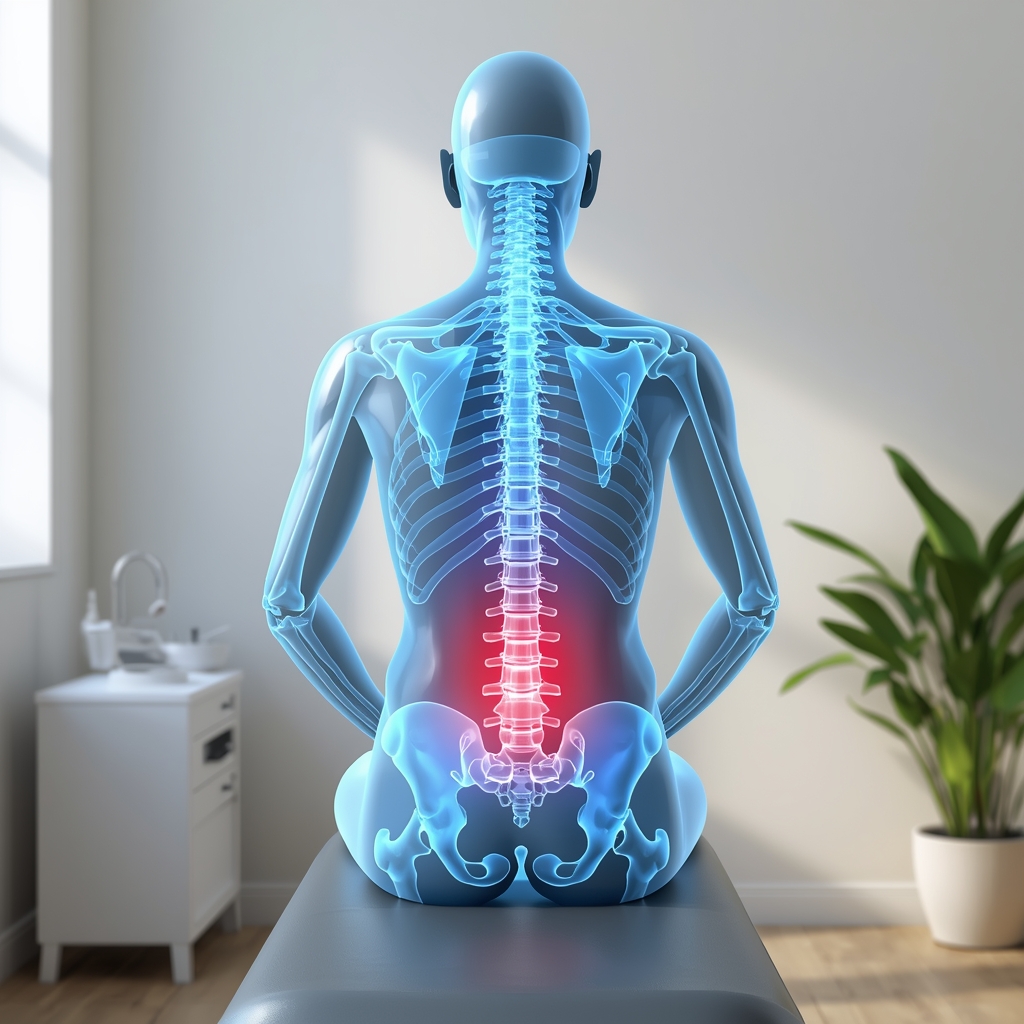
Understanding the Lumbar Spine's Facet Joint Structure
The lumbar spine's facet joints are critical for spinal stability and movement. These synovial joints connect adjacent vertebrae, allowing for flexion, extension, and rotation. Their orientation—typically more horizontal in the lumbar region—creates a mechanical barrier against excessive motion. This structure helps distribute forces during daily activities but can also contribute to stiffness or pain if misaligned. Postural correction techniques aim to realign the spine, but the facet joints' design may influence how effectively these adjustments work. Understanding their anatomy is essential for tailoring interventions to individual needs.
How Facet Joint Orientation Influences Postural Mechanics
Facet joint orientation affects how the lumbar spine responds to postural changes. A more horizontal alignment limits rotational movement, making it harder to correct imbalances through traditional techniques. Conversely, a sagittally oriented facet may allow greater flexibility but could reduce stability. These variations mean that postural correction must consider the spine's natural mechanics. For example, a patient with a hypermobile lumbar spine might require different strategies than someone with restricted motion. Chiropractors assess these factors to ensure adjustments align with the spine's anatomical constraints, optimizing outcomes.
The Role of Facet Joints in Spinal Stability and Dysfunction
Facet joints act as both stabilizers and guides during spinal movement. When their orientation is compromised—due to injury, degeneration, or poor posture—they can contribute to chronic pain or dysfunction. Postural correction techniques often target these joints to restore balance, but their effectiveness depends on the individual's unique anatomy. For instance, a patient with a tilted pelvis might experience relief from adjustments that address facet joint compression. However, without understanding the joint's orientation, interventions could inadvertently worsen imbalances. This highlights the need for a personalized approach to spinal care.
Chiropractic Approaches to Facet Joint-Related Postural Issues
Chiropractors use a variety of techniques to address postural imbalances linked to facet joint orientation. Spinal adjustments, soft tissue work, and corrective exercises are common strategies. However, the success of these methods hinges on the practitioner's ability to evaluate the spine's biomechanics. For example, a patient with a forward-tilted pelvis might benefit from mobilizing specific facet joints to improve alignment. Yet, if the joint orientation resists such changes, alternative approaches may be necessary. Collaboration with other healthcare professionals can also enhance outcomes, ensuring a holistic treatment plan that respects the spine's anatomical complexities.
Importance of Individualized Assessment in Postural Correction
Every patient's spine is unique, and facet joint orientation plays a key role in determining the best course of action. A one-size-fits-all approach to postural correction is unlikely to succeed. Instead, chiropractors conduct thorough evaluations to identify how a patient's anatomy interacts with their posture. This might involve imaging, range-of-motion tests, or palpation. By understanding these factors, practitioners can design interventions that align with the spine's natural mechanics. For instance, a patient with a hyperlordotic curve may require different adjustments than someone with a flattened lumbar spine. This personalized focus ensures safer, more effective care.
Conclusion: Integrating Anatomy with Postural Correction Strategies
The lumbar spine's facet joint orientation significantly impacts the effectiveness of postural correction techniques. While general principles guide treatment, individual anatomical differences necessitate tailored approaches. Chiropractors must balance evidence-based practices with a deep understanding of spinal mechanics to achieve optimal results. Patients benefit most when their care considers the interplay between joint structure and posture. As research continues to evolve, staying informed about anatomical variations remains crucial for both practitioners and those seeking relief from spinal-related issues. Always consult a qualified provider to explore the best options for your specific needs.














