
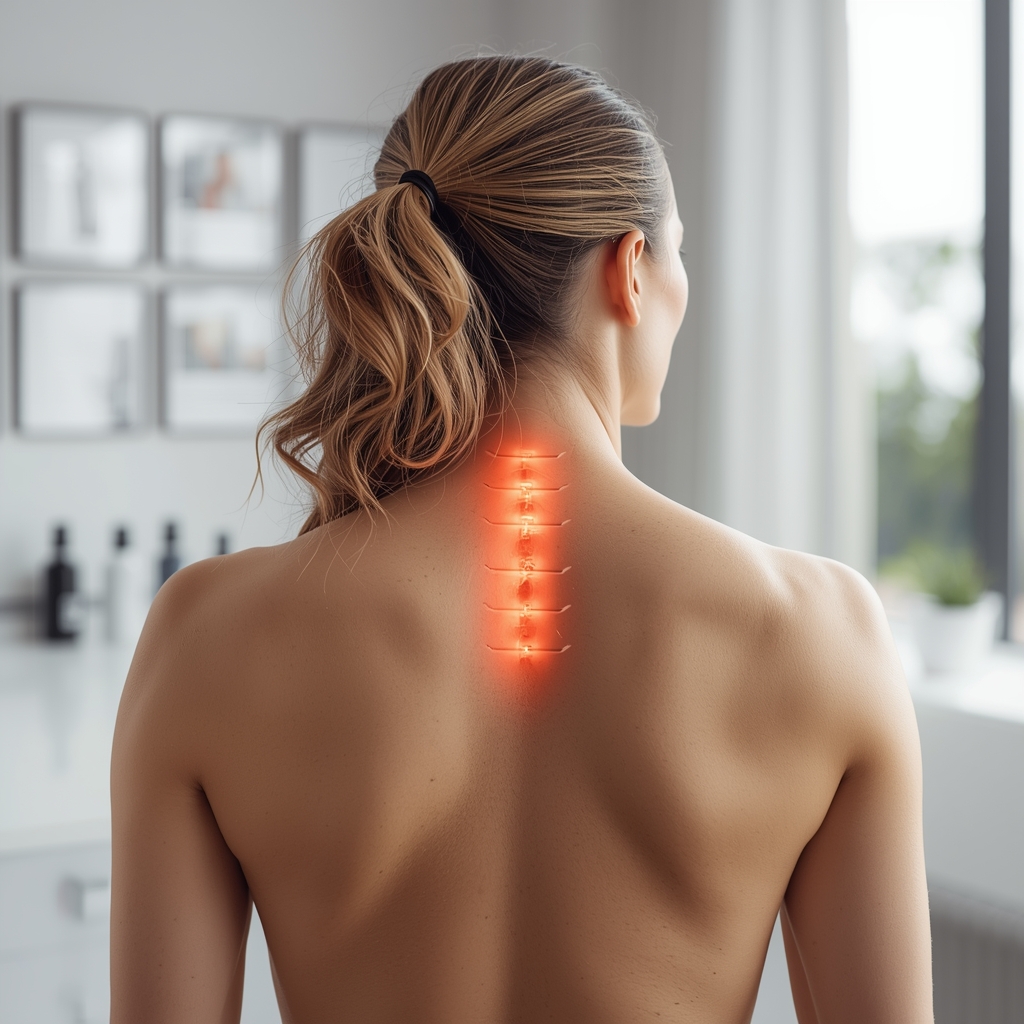
Understanding Dry Needling and Acupuncture for Myofascial Pain
Myofascial pain, often caused by trigger points in muscles, can be challenging to treat. Dry needling and acupuncture are two techniques frequently used to address this issue. Dry needling involves inserting thin needles into trigger points to relieve tension, while acupuncture, rooted in traditional Chinese medicine, uses needles to stimulate energy pathways (meridians). Both aim to reduce pain and improve mobility, but their approaches and philosophies differ. Patients seeking relief may wonder which method suits them best, making it essential to explore their similarities, differences, and effectiveness in managing myofascial pain.
How Each Technique Works Mechanically
Dry needling focuses on targeting specific muscle knots (trigger points) to release tension and restore normal function. The needles stimulate the nervous system, potentially reducing pain signals and promoting healing. Acupuncture, on the other hand, operates on the principle of balancing the body’s energy flow. By inserting needles at strategic points, it aims to correct imbalances that contribute to pain. While dry needling is often guided by anatomical knowledge, acupuncture relies on traditional meridian theory. Both techniques may trigger the release of endorphins, the body’s natural painkillers, but their underlying mechanisms reflect distinct theoretical frameworks.
Similarities in Application and Outcomes
Despite their differences, dry needling and acupuncture share common goals: alleviating pain, improving range of motion, and enhancing overall well-being. Both are non-invasive and generally safe when performed by trained professionals. Studies suggest they can effectively reduce myofascial pain, though results vary based on individual factors. Many patients report relief after sessions, and both methods are often used alongside other treatments like physical therapy. Their ability to address muscle tension and nerve irritation makes them valuable options for those struggling with chronic or recurring pain.
Distinguishing Key Differences
The primary difference lies in their training and application. Dry needling is typically performed by chiropractors, physical therapists, or medical professionals with specialized training in musculoskeletal systems. Acupuncture requires certification in traditional Chinese medicine, focusing on energy pathways. Dry needling targets specific trigger points, while acupuncture considers the body’s holistic energy balance. Additionally, needle depth and placement differ, with dry needling often focusing on deeper muscle layers. These distinctions influence how each technique is integrated into a broader treatment plan, depending on the patient’s needs and the provider’s expertise.
Factors Influencing the Best Approach for Patients
Choosing between dry needling and acupuncture depends on several factors. Patient preferences, such as comfort with traditional medicine versus modern techniques, play a role. The specific nature of the myofascial pain—whether it’s localized or part of a broader pattern—may also guide the decision. Provider experience and training are critical, as both methods require skill to perform effectively. Some patients may benefit from a combination of both approaches. Ultimately, consulting a qualified chiropractor or healthcare provider is essential to determine the most suitable strategy for individual circumstances and desired outcomes.
Conclusion: Making an Informed Choice
Both dry needling and acupuncture offer viable options for managing myofascial pain, each with unique strengths. Understanding their mechanisms, similarities, and differences helps patients make informed decisions. However, the best approach varies based on personal health needs, provider expertise, and treatment goals. Patients should discuss their options with a licensed chiropractor or healthcare professional to explore which method aligns best with their condition. By prioritizing professional guidance, individuals can navigate these therapies with confidence and work toward effective, personalized pain relief.














