
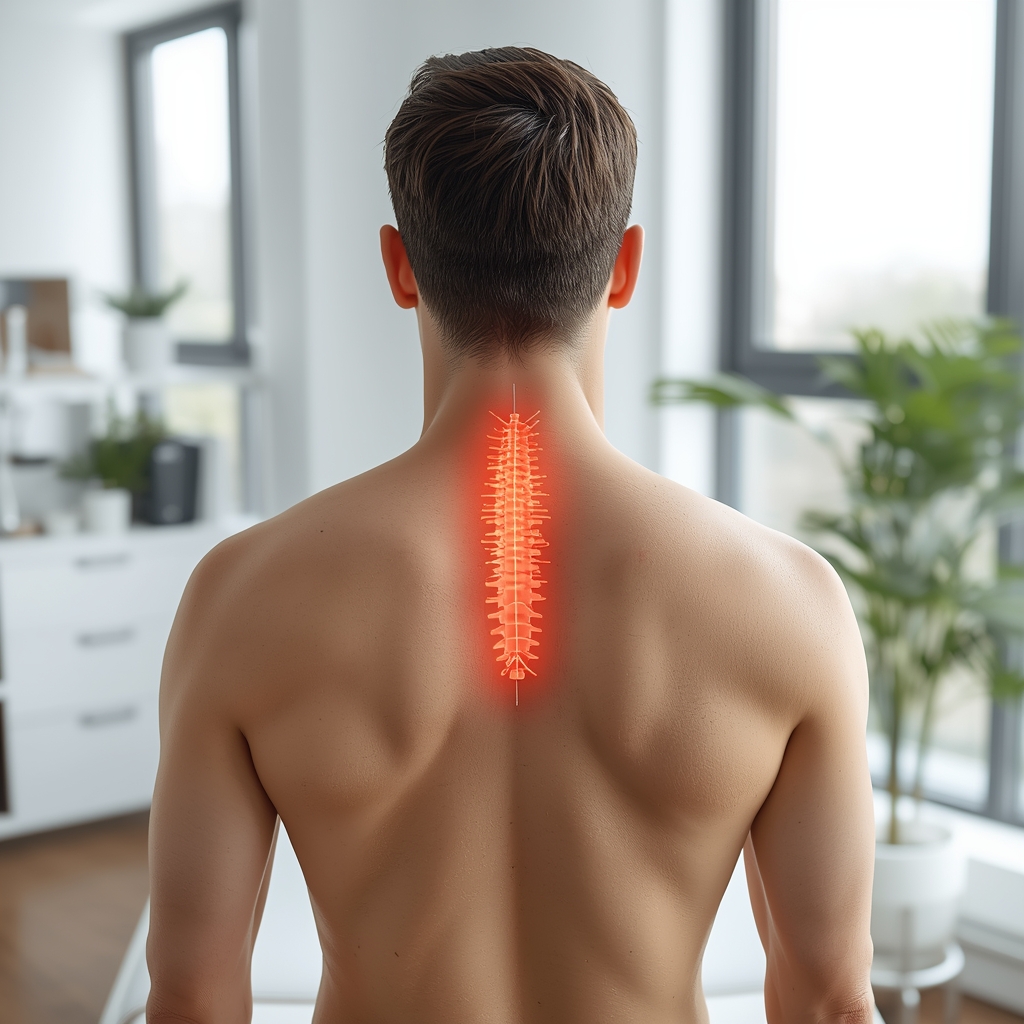
Understanding Dry Needling and Acupuncture
Both dry needling and acupuncture involve inserting thin needles into the body to address pain and musculoskeletal issues. However, their approaches differ. Dry needling targets specific trigger points in muscles to relieve tension and pain, often used by chiropractors and physical therapists. Acupuncture, rooted in traditional Chinese medicine, stimulates energy pathways (meridians) to restore balance and promote healing. While dry needling focuses on neuromuscular systems, acupuncture addresses broader systemic effects. Both techniques are commonly used for chronic myofascial pain, but their philosophies and applications vary. Patients seeking relief from persistent muscle pain may consider either method, though consulting a qualified provider is essential to determine the best fit for individual needs.
Origins and Principles
Acupuncture has a history spanning thousands of years in traditional Chinese medicine, based on the concept of qi (vital energy) flowing through meridians. Dry needling, developed more recently, draws from Western medical science, targeting anatomical structures like trigger points. While acupuncture aims to balance energy flow, dry needling focuses on releasing muscle knots and improving circulation. Despite these differences, both practices use needles to stimulate the body’s natural healing processes. Their distinct origins influence how practitioners approach treatment, but both are increasingly integrated into modern pain management strategies. Understanding these foundational differences helps patients and providers choose the most appropriate method for chronic myofascial pain.
Techniques and Application
During dry needling, a practitioner inserts needles directly into trigger points—tender spots in muscles—to alleviate tension and restore function. This technique is often used to treat localized pain and improve range of motion. Acupuncture, by contrast, places needles at specific points along meridians to regulate energy flow and address systemic imbalances. While dry needling is typically performed by licensed physical therapists or chiropractors, acupuncture is practiced by licensed acupuncturists. Both methods may involve slight discomfort during needle insertion, but they are generally well-tolerated. The choice between them depends on the patient’s condition, practitioner expertise, and treatment goals, with each approach offering unique benefits for chronic myofascial pain.
Efficacy for Chronic Myofascial Pain
Research suggests both dry needling and acupuncture may provide relief for chronic myofascial pain, though evidence varies. Dry needling’s targeted approach can reduce muscle tension and improve mobility, while acupuncture’s holistic method may address underlying energy imbalances. Some studies indicate both techniques can decrease pain intensity and enhance function, but more rigorous trials are needed. Patients often report symptom improvement, but outcomes depend on factors like treatment frequency and individual response. It’s important to note that neither method is a guaranteed solution, and results may vary. A chiropractor or healthcare provider can help assess which approach aligns best with a patient’s specific condition and goals.
Safety and Side Effects
Both dry needling and acupuncture are generally safe when performed by trained professionals. Common side effects include mild soreness, bruising, or temporary discomfort at the needle sites. Serious complications are rare but can occur if proper techniques are not followed. Practitioners must use sterile needles and adhere to strict hygiene protocols to minimize risks. Patients with bleeding disorders or those taking anticoagulants should consult their doctor before undergoing either treatment. While both methods are considered low-risk, open communication with a healthcare provider is crucial to ensure safety. Individuals should also be aware of potential interactions with other treatments and discuss any concerns before proceeding.
Choosing the Right Approach
Deciding between dry needling and acupuncture depends on individual needs, preferences, and the practitioner’s expertise. Dry needling may be preferable for those seeking targeted relief from specific muscle pain, while acupuncture offers a broader, holistic approach. Patients should consider their medical history, treatment goals, and comfort with each method. A qualified chiropractor or acupuncturist can evaluate the condition and recommend the most suitable option. It’s also important to discuss expectations and potential outcomes during a consultation. Ultimately, both techniques can complement other therapies, and the best choice will depend on a personalized assessment by a healthcare professional.













