
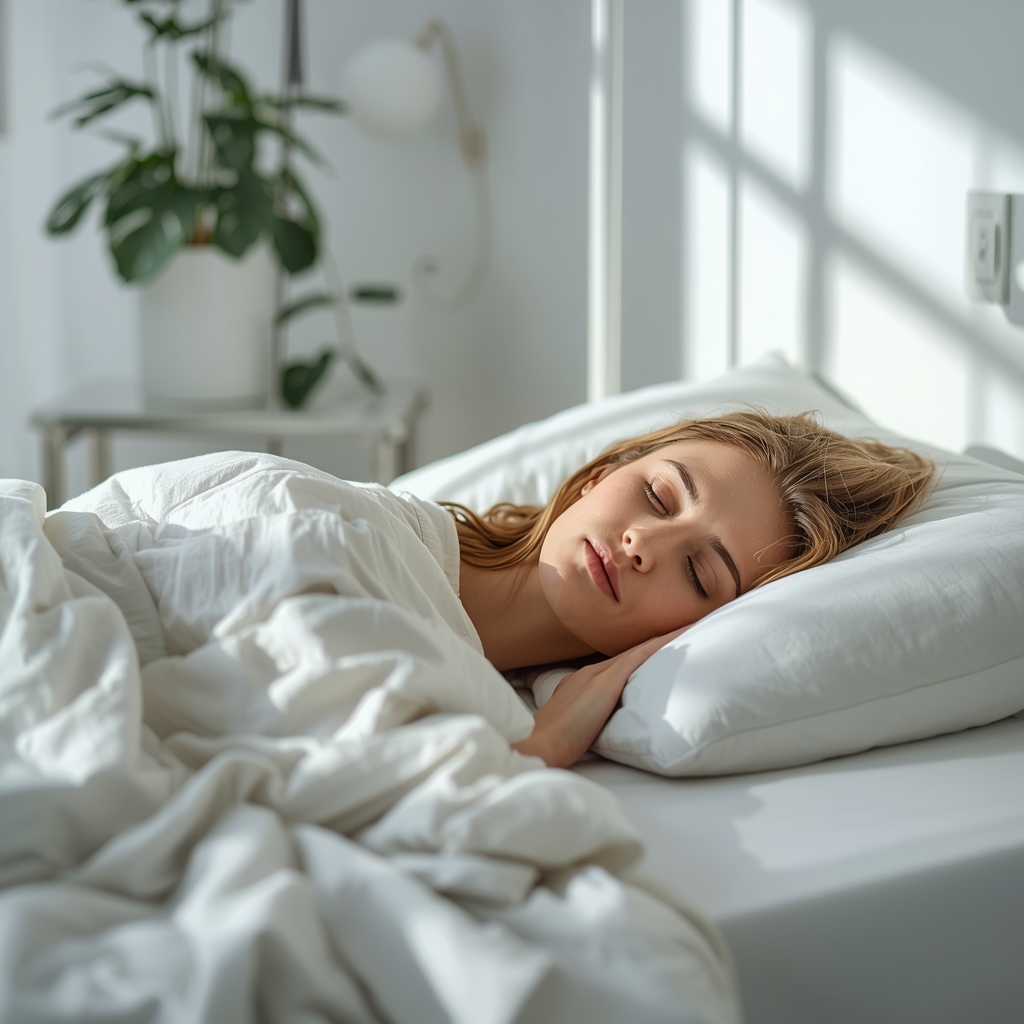
The Science of Sleep and Thermoregulation
Thermoregulation, the body’s process of maintaining internal temperature within a safe range, plays a critical role in sleep quality. As the body prepares for sleep, it naturally lowers its core temperature, a process essential for initiating and sustaining rest. However, when environmental temperatures rise, this physiological mechanism faces significant challenges. The article explains that hot bedrooms hinder the body’s ability to dissipate heat, making it harder to fall asleep and increasing nighttime awakenings. This connection between temperature and sleep is well-documented, with research highlighting how elevated ambient temperatures disrupt the body’s natural cooling process. The article emphasizes that sleep is not just a passive state but a dynamic interaction between the body’s thermoregulatory systems and external conditions. For individuals in regions experiencing rising temperatures, such as the UK, this relationship becomes increasingly relevant. The disruption of thermoregulation during sleep can lead to reduced restfulness and long-term impacts on overall health, underscoring the importance of addressing environmental factors that affect sleep quality.
Rising Temperatures and Sleep Disruption
The UK’s changing climate has intensified the challenge of maintaining comfortable sleep conditions. According to the Met Office, the likelihood of exceeding 40°C in the UK has increased dramatically, with a 20-fold rise compared to the 1960s. This trend is projected to continue, with a 50% chance of another 40°C day within the next 12 years. Such extreme heat events directly impact sleep by creating environments where the body struggles to regulate its temperature. The article notes that high temperatures can lead to prolonged wakefulness, fragmented sleep, and daytime fatigue, all of which have cascading effects on physical and mental well-being. The implications of these findings extend beyond individual comfort, raising concerns about public health and the need for adaptive strategies. As heatwaves become more frequent, the risk of sleep-related health issues—such as impaired cognitive function and weakened immune responses—grows. This context highlights the urgency of exploring both technological and behavioral solutions to mitigate the effects of rising temperatures on sleep quality.
The Role of Humidity in Heat Stress
Humidity exacerbates the challenges of sleeping in hot weather by interfering with the body’s primary cooling mechanism: sweating. When the air is humid, the evaporation of sweat from the skin is significantly reduced, limiting the body’s ability to dissipate heat. This creates a cycle where increased humidity amplifies the physiological strain of high temperatures, making it harder for the body to cool down. The article references research on humidity and heat stress, which underscores how this combination can lead to greater discomfort and health risks. For individuals with preexisting conditions, such as cardiovascular or respiratory issues, the effects of high humidity during sleep may be even more pronounced. The article also highlights that the body’s reliance on evaporation for cooling becomes less effective in humid environments, further complicating efforts to maintain a comfortable sleep temperature. These findings emphasize the need for strategies that address both temperature and humidity, particularly in regions where climate change is driving more frequent and intense heat events.
Cost and Accessibility of Cooling Solutions
While air conditioning is an effective solution for reducing indoor temperatures, its cost and accessibility present significant barriers for many households. The article cites data from the Energy Saving Trust, which reports that the electricity unit rate in the UK for the July to September 2026 period was 26.11p per kWh for direct debit customers. Using this rate, a small portable air-conditioning unit operating at 1kW for seven hours nightly over 30 nights would incur an electricity cost of approximately £54.83. This calculation does not include the initial purchase price of the unit, further limiting its feasibility for budget-conscious consumers. The article also notes that reliance on air conditioning may not be practical in all settings, particularly in areas with unreliable power supplies or limited access to electrical infrastructure. These financial and logistical constraints highlight the need for alternative, cost-effective cooling strategies that can be implemented without significant investment. The article suggests that passive cooling methods, such as shading and ventilation, may offer viable solutions for households seeking to improve sleep quality without relying on energy-intensive technologies.
Passive Cooling Strategies for Home Environments
Passive cooling strategies, such as shading and ventilation, provide practical alternatives to mechanical cooling by reducing the amount of heat entering a home. The article explains that overheating in residential spaces often stems from solar gain—the heat absorbed through windows when sunlight enters. By implementing measures like curtains, blinds, or reflective window films, households can minimize this heat influx, creating a cooler indoor environment. Ventilation also plays a crucial role in managing indoor temperatures, as it facilitates the exchange of warm air with cooler outdoor air. The article emphasizes that these passive methods are particularly effective when combined with other practices, such as using light-colored materials to reflect heat or arranging furniture to optimize airflow. While these strategies may not entirely eliminate the need for air conditioning, they can significantly reduce the reliance on energy-intensive cooling systems. For individuals in regions experiencing rising temperatures, adopting passive cooling techniques can enhance sleep comfort while also lowering energy costs. The article underscores the importance of integrating these approaches into home design and daily routines to create more sustainable and resilient living environments.