
Study Demonstrates Improved Oxygen Management in Hospital Patients
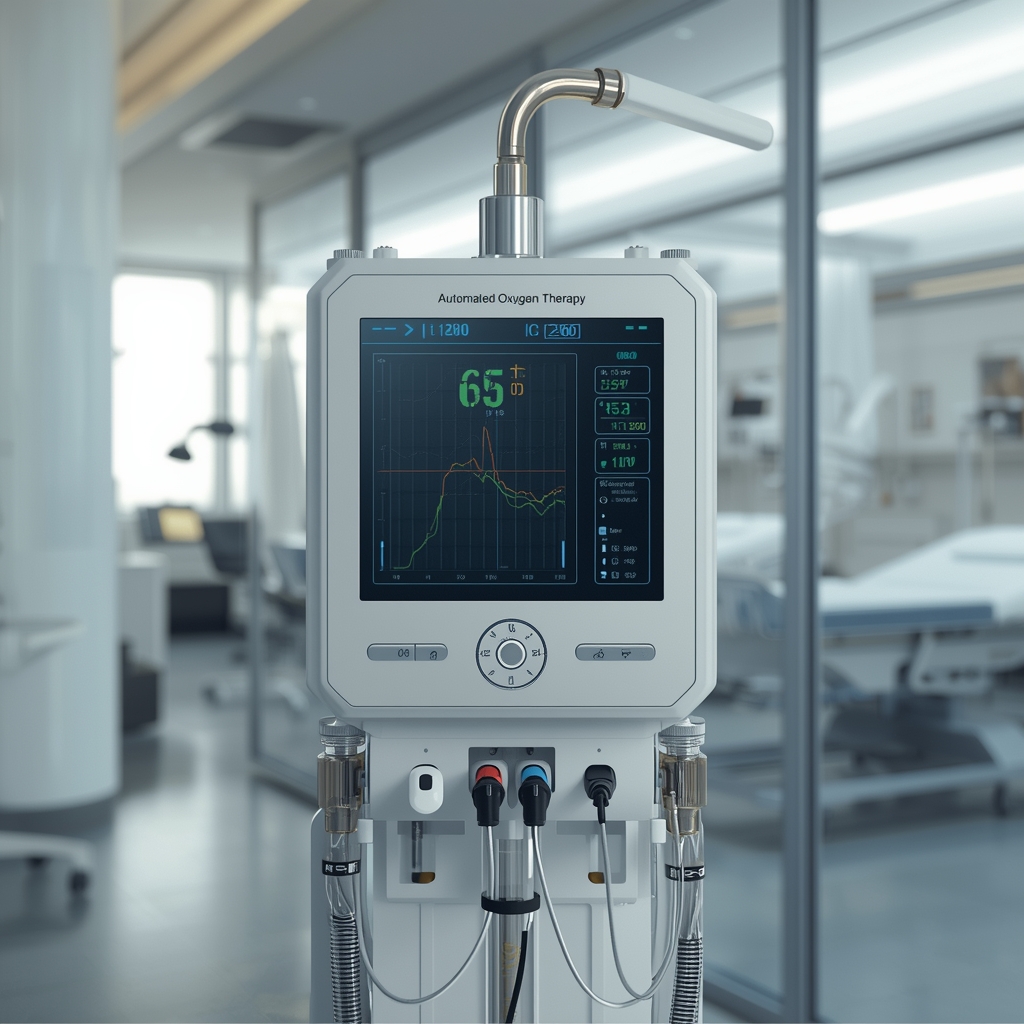
A randomized trial evaluated a novel system for autonomous control of supplemental oxygen in hospitalized patients, finding that it increased the proportion of time spent with adequate oxygen levels compared to manual adjustments by clinicians. The study, published in JAMA Internal Medicine, involved 300 patients receiving low-flow oxygen for acute illnesses or injuries. The autonomous system, which automatically adjusted oxygen flow to maintain target saturation levels (90-96%), resulted in a 21 percentage point increase in time within the normal range over 72 hours (85% vs. 63%, P <0.001). This improvement was accompanied by reduced hypoxemia (oxygen levels below 88%) and lower overall oxygen consumption compared to standard care. The trial, conducted across four U.S. hospitals, also noted a significant decrease in hyperoxemia (oxygen levels above 96%) with the automated system. Researchers highlighted the potential for such technologies to enhance oxygen stewardship while reducing resource use, though clinical outcomes like reduced hospital stays or mortality were not assessed.
Autonomous Oxygen Systems Reduce Hypoxemia and Resource Use
The study compared the O2matic PRO100 device, which autonomously titrates oxygen flow, with conventional manual titration. Over 72 hours, patients using the automated system spent 2.0% of their time in hypoxemia (SpO2 <88%) versus 3.6% with manual care (P = 0.002). The system also reduced mean oxygen use, with daily volumes averaging 2,310 L per participant compared to 2,992 L in the control group. Despite these benefits, no significant differences were observed in supplemental oxygen-free days or progression to severe respiratory failure. The trial included a diverse patient population, with 56% having medium skin tones and 22% with dark skin, enhancing the generalizability of findings. However, the study did not assess long-term clinical outcomes, such as mortality or respiratory decompensation, and acknowledged limitations including lack of blinding and reliance on pulse oximetry.
Findings Highlight Potential for Automated Oxygen Management
Researchers emphasized that autonomous oxygen systems could alleviate the workload on clinical staff by minimizing the need for frequent manual adjustments. The study’s primary endpoint—time spent in normoxemia—remained consistent across subgroups, including patients with varying skin pigmentation and pulmonary comorbidities. While the system reduced hyperoxemia (9.2% vs. 29.1%), the clinical significance of this reduction remains unclear. The editorialists noted that prior trials of conservative oxygen strategies in ventilated patients did not show similar benefits, raising questions about the relevance of hyperoxemia in non-ventilated, low-flow oxygen recipients. Despite these uncertainties, the study demonstrated the safety of the system, with no serious adverse events reported and similar 28-day mortality rates between groups.
Limitations and Future Research Directions
The trial had several limitations, including its open-label design, which may have influenced outcomes, and the use of a single autonomous oxygen system, limiting generalizability. Researchers also noted that the control group had a lower-than-expected hypoxemia rate, potentially due to enhanced usual care or selection bias. The study’s focus on low-flow oxygen therapy meant it could not address the effects of automated systems in critically ill patients requiring mechanical ventilation. Additionally, the reliance on pulse oximeters, which have known inaccuracies, may have affected measurements. The authors called for further research to determine whether the observed improvements in oxygenation metrics translate to meaningful patient outcomes, such as reduced hospital stays or improved survival. They also emphasized the need to evaluate the system’s performance in broader clinical settings and patient populations.
Implications for Hospital Oxygen Management Practices
The study’s results suggest that autonomous oxygen titration systems could play a role in optimizing oxygen delivery while reducing resource consumption in hospitalized patients. By minimizing both hypoxemia and hyperoxemia, these systems may help address the challenges of manual oxygen management, which is prone to undercorrection or overcorrection. However, the lack of direct clinical outcome data means that the full impact of such technologies remains to be determined. The researchers highlighted the potential value of these systems in improving oxygen stewardship, even if their effects on patient-centered outcomes are not yet fully understood. Future studies should focus on larger, more diverse populations and longer follow-up periods to better assess the clinical benefits of automated oxygen management. Until then, the findings provide a foundation for further exploration of how technology can enhance respiratory care in hospital settings.