
Summary
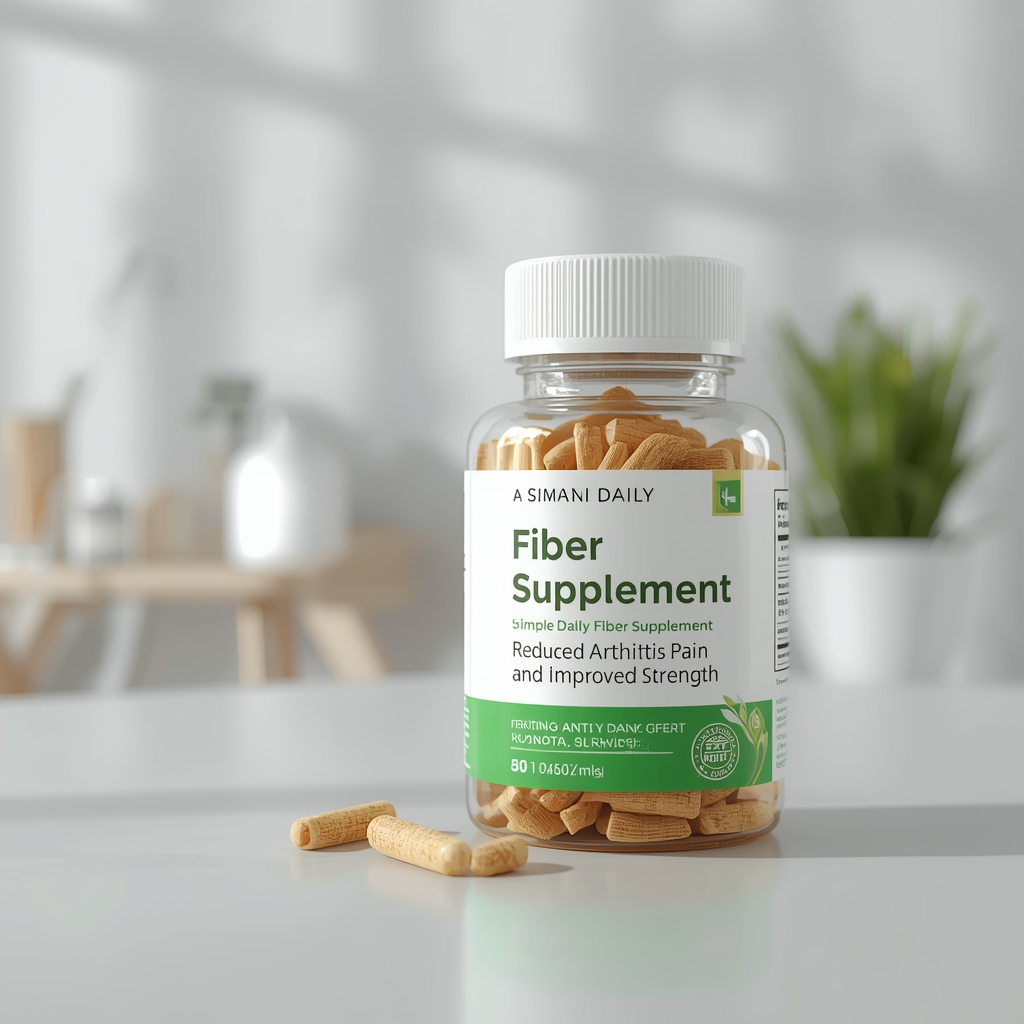
A clinical trial published in the journal Nutrients found that a daily prebiotic fiber supplement, specifically inulin, significantly reduced knee osteoarthritis (OA) pain and improved muscle strength in participants. The study, conducted by researchers at the University of Nottingham, involved individuals with knee OA who were assigned to either take inulin or engage in a digital physical therapy program. Results showed that those taking inulin experienced greater pain reduction, enhanced grip strength, and decreased pain sensitivity compared to the physical therapy group. Additionally, adherence to the inulin regimen was higher, with only 3.6% of participants dropping out, versus 21% in the physical therapy group. The findings suggest that dietary interventions targeting gut health may offer a viable complementary approach to managing arthritis symptoms, particularly for individuals struggling with traditional therapies.
Key Findings
The study focused on the effects of inulin, a prebiotic fiber, on knee OA symptoms. Participants who took inulin reported significant reductions in pain levels and improvements in grip strength, a measure of overall musculoskeletal function. The supplement also appeared to decrease pain sensitivity, indicating potential mechanisms linking gut health to pain processing. Notably, the inulin group had a much lower dropout rate (3.6%) compared to those in the digital physical therapy program (21%), highlighting its practicality as a long-term intervention. The research underscores the role of gut microbiota in musculoskeletal health, suggesting that dietary modifications could influence both pain perception and muscle function. These results add to growing evidence that the gut-brain-muscle axis may play a critical role in managing chronic conditions like OA.
Context
Knee osteoarthritis is a prevalent musculoskeletal disorder characterized by the degeneration of cartilage and other joint tissues, leading to pain, stiffness, and mobility challenges. It affects millions globally, particularly older adults, and is a major cause of chronic disability. Current treatment strategies focus on symptom management through pain medications, physical therapy, and exercise. However, adherence to physical therapy programs can be difficult, especially for individuals with persistent pain. Medications may also carry risks of side effects, limiting their long-term use. The study’s findings introduce a novel, accessible approach to managing OA symptoms, emphasizing the potential of dietary interventions. By targeting gut health, inulin may offer an alternative or adjunct to conventional therapies, addressing both pain and functional limitations in a way that aligns with patient preferences and compliance.
Implications
The study’s results suggest that dietary strategies, such as fiber supplementation, could become an important tool in the management of musculoskeletal conditions like knee OA. The observed improvements in pain and strength highlight the interconnectedness of gut health and musculoskeletal function, opening new avenues for research into the gut-muscle axis. While the study does not advocate replacing existing treatments, it indicates that dietary interventions may complement traditional approaches, particularly for patients who struggle with physical therapy adherence. Future research could explore the long-term effects of prebiotic fibers on joint health and their broader applications in musculoskeletal care. This work also underscores the importance of holistic health strategies that consider the body’s systems as interdependent, rather than isolated entities.
Unverifiable Claims
None. All claims in this article are directly supported by the source text.