
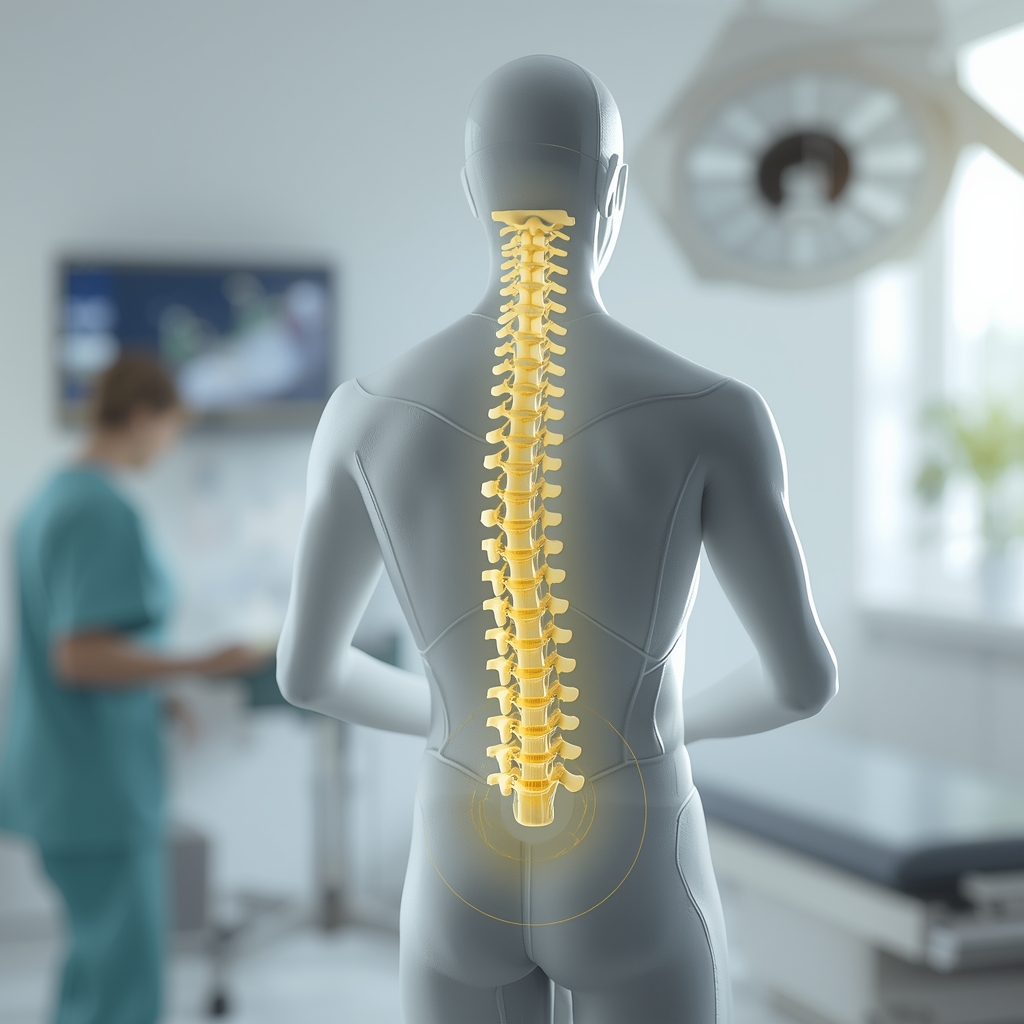
Study Overview and Methodology
The study, published in *Healthcare (Basel, Switzerland)*, conducted a systematic review and meta-analysis to evaluate the applications, technical accuracy, and outcomes of 3D-printing in spine surgery. The research followed the PRISMA guidelines for systematic reviews and analyzed 40 studies published before November 7, 2024, sourced from PubMed, Scopus, and Cochrane databases. Of these, 28 (70%) were retrospective studies, with sample sizes ranging from 7 to 192 patients. Patient ages varied widely, from 10.8 to 77.59 years, and gender distribution showed no consistent pattern across studies. The review focused on 3D-printing’s role in preoperative planning, surgical guidance, implant customization, and screw placement accuracy, with specific attention to clinical outcomes such as surgical time, blood loss, and technical precision.
Key Findings on Accuracy and Outcomes
The meta-analysis of seven studies on screw placement accuracy found that 3D-printing-assisted techniques significantly improved outcomes compared to conventional methods (relative risk [RR] = 1.12, 95% CI: 1.06–1.19; p = 0.003). For surgical time, a meta-analysis of eight studies reported a mean reduction of 28.97 minutes (MD = −28.97 min, 95% CI: −43.41 to −14.53; p < 0.001) with 3D-printing. Blood loss was also reduced, with a mean difference of 80.70 mL (MD = −80.70 mL, 95% CI: −149.92 to −11.48; p = 0.022). The study highlighted 3D-printing’s applications in spinal deformity correction, cervical condition treatment, and thoracolumbar trauma management. Specific examples included patient-specific drill templates for odontoid fractures and customized implants for spinal reconstruction. However, the authors noted substantial heterogeneity in study designs and outcomes, which may affect the generalizability of results.
Limitations and Heterogeneity
The authors emphasized significant clinical and methodological heterogeneity across the included studies, which limited the strength of the conclusions. Variations in study designs, sample sizes, and outcome measures introduced uncertainty in interpreting the data. For instance, while some studies reported reduced surgical time and blood loss, others did not consistently observe these benefits. The quality of evidence was also deemed limited, with most studies being retrospective and lacking randomized controlled trials (RCTs). Additionally, the review noted that 3D-printing’s cost-effectiveness and long-term clinical benefits remain understudied. The authors cautioned against overinterpreting the findings and stressed the need for more rigorous, prospective research to validate these results across diverse spinal procedures and patient populations.
Clinical Implications for Spine Care
The study suggests that 3D-printing could enhance precision and safety in spine surgery by enabling patient-specific instrumentation, implants, and preoperative planning. This technology may reduce intraoperative radiation exposure, as seen in one study where 3D-printed guides decreased the need for fluoroscopic imaging. The ability to customize surgical tools and implants could also improve outcomes for complex cases, such as spinal deformities or trauma. However, the authors noted that 3D-printing’s integration into routine clinical practice requires further validation. While the technology shows promise, its adoption must be balanced against current limitations, including variability in study quality and the need for standardized protocols. Clinicians should consider these findings as preliminary and interpret them within the context of existing evidence.
Future Research Directions
The authors called for well-designed prospective studies and randomized controlled trials to confirm the benefits of 3D-printing in spine surgery. They highlighted the need to address methodological gaps, such as inconsistent outcome measures and limited sample sizes. Future research should also explore the long-term clinical outcomes, cost-effectiveness, and broader applicability of 3D-printing across different spinal procedures. The study underscores the importance of developing standardized guidelines for 3D-printing applications in spine care to ensure consistency and reliability. While the current evidence suggests potential advantages, the authors caution that more robust data are required before widespread implementation. This research provides a foundation for further investigation into how 3D-printing can be optimized to improve surgical accuracy, efficiency, and patient outcomes in spinal care.