
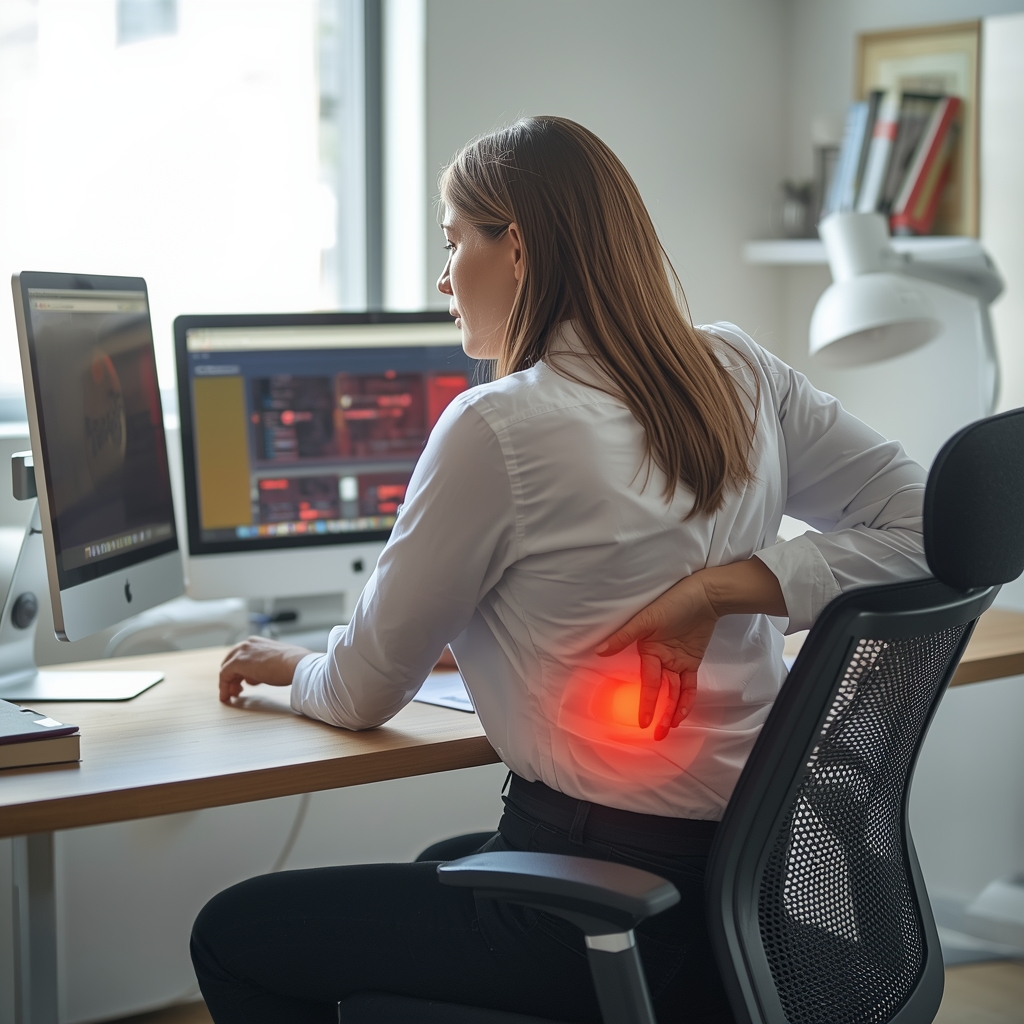
Understanding Repetitive Strain Injuries in Desk Workers
Repetitive strain injuries (RSIs) commonly affect desk workers due to prolonged sitting, poor posture, and repetitive motions. These injuries often target the neck, shoulders, wrists, and back, leading to pain, stiffness, and reduced mobility. While ergonomic adjustments can mitigate risk, chiropractic care offers complementary strategies to address musculoskeletal imbalances. By combining workplace modifications with professional interventions, desk workers can reduce discomfort and prevent long-term issues. Understanding the interplay between ergonomics and chiropractic care is key to maintaining physical well-being in sedentary roles.
Ergonomic Adjustments to Reduce Strain
Optimizing workspace setup is foundational in preventing RSIs. Adjusting chair height so feet rest flat on the floor and knees align with hips promotes proper posture. Monitors should be at eye level to avoid forward head posture, while keyboards and mice should be positioned to keep wrists neutral. Standing desks, ergonomic chairs, and supportive lumbar cushions can further alleviate pressure. Regular breaks using the 20-20-20 rule (every 20 minutes, look 20 feet for 20 seconds) encourage movement. These adjustments, when tailored to individual needs, create a workspace that supports comfort and reduces repetitive stress on the body.
Chiropractic Interventions for Musculoskeletal Health
Chiropractic care addresses RSIs by restoring spinal alignment and joint function. Spinal adjustments can relieve pressure on nerves and muscles caused by poor posture or repetitive motions. Soft tissue therapies, such as massage or Active Release Technique (ART), target tightness in overused muscles and tendons. Chiropractors may also recommend corrective exercises to strengthen weakened areas and improve flexibility. By identifying and correcting biomechanical imbalances, these interventions help the body adapt to daily demands. Regular chiropractic check-ups can detect early signs of strain, allowing for proactive management before issues escalate.
Posture Correction and Body Mechanics
Poor posture is a major contributor to RSIs, placing undue stress on muscles and joints. Chiropractors often focus on correcting forward head posture, rounded shoulders, and slouched back positions through targeted adjustments and education. Learning proper body mechanics—such as lifting techniques and sitting alignment—reduces strain during daily tasks. Ergonomic assessments may include recommendations for posture-supporting tools, like lumbar rolls or monitor stands. Incorporating posture-awareness practices, such as the Alexander Technique, can also enhance body awareness. Consistent focus on posture reduces the risk of chronic pain and improves overall functional movement.
Integrating Movement and Stretching Routines
Incorporating regular movement into a desk job counteracts the effects of prolonged inactivity. Simple stretching exercises, like neck rolls, shoulder shrugs, and wrist extensions, can ease tension in overworked areas. Strengthening routines targeting core, back, and shoulder muscles improve stability and reduce strain. Chiropractors often design personalized exercise plans to address individual weaknesses. Even short, frequent movement breaks—such as walking or seated stretches—support circulation and muscle function. Combining these practices with ergonomic adjustments creates a holistic approach to preventing RSIs and maintaining physical resilience.
Collaborating with a Chiropractor for Long-Term Prevention
Working with a chiropractor allows desk workers to develop a tailored strategy for injury prevention. Regular evaluations can identify early signs of strain and adjust interventions as needed. Chiropractors may recommend specific ergonomic tools, such as adjustable workstations or supportive footwear, based on individual needs. They can also guide patients in recognizing body signals that indicate overuse or imbalance. By fostering a partnership with a healthcare provider, desk workers gain ongoing support to maintain musculoskeletal health. This collaborative approach ensures that preventive measures evolve with changing work demands and personal health goals.














